
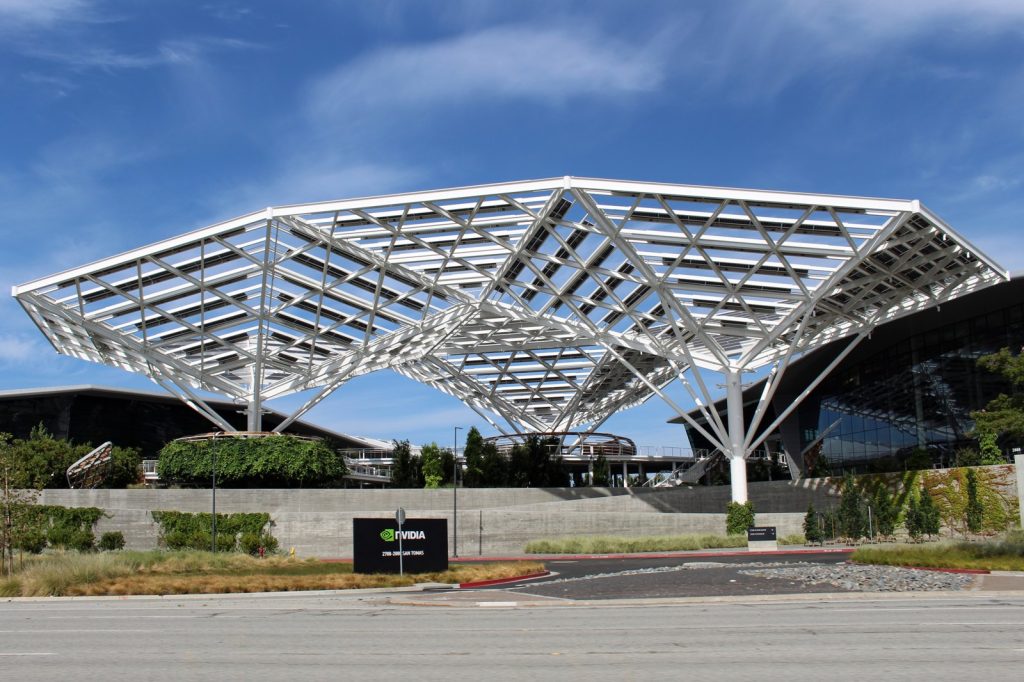
Six months ago, the company was gutted. Nvidia paid off Groq’s investors, hired founder Jonathan Ross and president Sunny Madra, and took a non-exclusive license to Groq’s chip technology. The deal was reportedly worth a considerable sum.
Groq looked finished. Now it has $650 million in fresh cash.
The round was led by Disruptive and Infinitum. Existing backers also reinvested. The money is a bet that purpose-built chips can still beat GPUs for AI inference — the actual running of models, not just training them.
That bet matters for families and businesses across Asia, where AI applications in healthcare, education, finance, and logistics are expected to grow fast. The raise was first reported in May.
It closed with a named team now responsible for spending the funds. That team has to rebuild Groq as an AI inference cloud from scratch. The company lost its founder, its president, and key engineers.
It kept its chip technology license, but Nvidia owns that too, under a non-exclusive deal. Here is the risk. Groq’s chips were designed from the ground up to run AI models faster and more efficiently than general-purpose GPUs.
If that claim holds, a rebuilt Groq could offer a cheaper, faster alternative for companies running AI in production. If it does not hold, $650 million buys a lot of expensive lessons.
At Nvidia’s GTC event in March, the company launched the Groq 3 LP. That is Nvidia’s own product using Groq’s licensed technology. So the same chip design is now being sold by both the company that invented it and the company that bought its way inside.
That creates a strange dynamic. Groq has to compete against its own architecture, backed by the deepest pockets in the industry.
For Asian markets, the stakes are concrete. AI inference is not theoretical. It is the software that reads medical scans, approves loans, routes deliveries, and personalizes online learning.
If Groq’s cloud works, it could lower costs for these services across the region. If it fails, the region’s AI infrastructure remains tied to whatever Nvidia decides to charge. The $650 million raise is not small.
It gives Groq runway to hire engineers, build data centers, and sign customers. But rebuilding a chip company after losing its founder is like rebuilding a restaurant after the chef leaves with the recipes.
The new team has the money. They need the execution. Disruptive and Infinitum are betting on the technology, not the team that built it.
That is a different kind of bet. Groq’s chip architecture was designed by people who are now at Nvidia.
The new team has to work with what is left — the patents, the license, the existing designs — and turn them into a viable cloud business. The clock is running. Nvidia already launched a product based on Groq’s technology.
Every quarter Groq spends rebuilding is a quarter Nvidia spends selling. The inference market is growing fast, but first-mover advantage matters. Groq has to move now.
For communities across Asia, the outcome determines whether AI inference becomes a competitive market or a single-vendor monopoly. That has consequences for pricing, innovation, and access.
A functioning Groq cloud means more options for hospitals, banks, and schools. A failed Groq cloud means the region waits for Nvidia’s next product cycle. The company has the money.
It has a plan. It does not have the people who made the chips work in the first place.
That is the real gamble.




