
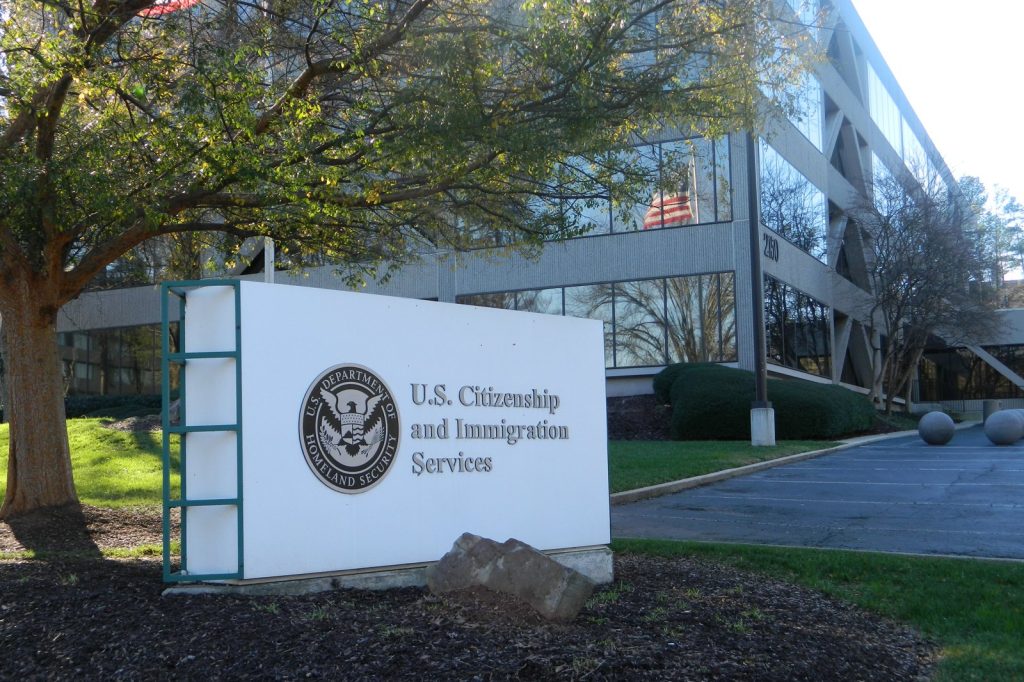
WASHINGTON, July 22 — On the ground in America’s tech corridors, the H-1B visa program is more than a bureaucratic footnote. It is the pipeline that brings tens of thousands of engineers, coders, and data scientists into U.S. companies every year — and it is facing its sharpest recalibration in a generation. The H-1B classification, defined under INA section 101(a)(15)(H)(i)(b), allows U.S. employers to hire foreign workers for specialty occupations.
The annual cap stands at 65,000 initial visas, plus an additional 20,000 for holders of U.S. master’s degrees or higher — a total of 85,000. Some employers are exempt from the cap, but for most technology firms, the limit has become a binding constraint on workforce planning.
Numbers that tell the story
In fiscal year 2022, U.S. Citizenship and Immigration Services approved 265,777 H-1B visas. That made it the second-largest visa category after H-2A agricultural visas, which received 310,676 approvals. The USCIS estimates that 583,420 foreign nationals held H-1B status in 2019.
The trajectory is unmistakable: from 1991 to 2022, the number of visas issued each year quadrupled. But those headline figures mask a sharper debate.
By nightfall on any given week in Silicon Valley or Seattle, recruiters and immigration lawyers are calculating how many of their candidates will fall under the cap — and how many will be left waiting.
A new fee and the policy turn
The Trump administration imposed a $100,000 fee for H-1B filings starting in September 2025. The fee carries exemptions for change-of-status applicants — for instance, foreign graduates on F-1 Optional Practical Training who transition directly to H-1B status. The move effectively raises the cost of hiring new H-1B workers from abroad while shielding those already in the pipeline.
Critics say the fee will further depress the supply of tech
Sources
{“@context”: “https://schema.org”, “@type”: “NewsArticle”, “headline”: “H-1B Visa Cap, New $100,000 Fee Fuel Tech Workforce Debate”, “description”: “WASHINGTON, July 22 — On the ground in America’s tech corridors, the H-1B visa program is more than a bureaucratic footnote. It is the pipeline…”, “datePublished”: “2026-07-22T09:30:00+00:00”, “author”: {“@type”: “Person”, “name”: “Isabella Moore”}, “publisher”: {“@type”: “Organization”, “name”: “InfoPulse Today”, “url”: “https://newsfeed.infopulsetoday.com/”}, “citation”: [{“@type”: “CreativeWork”, “url”: “https://en.wikipedia.org/wiki/H-1B_visa”}]}




