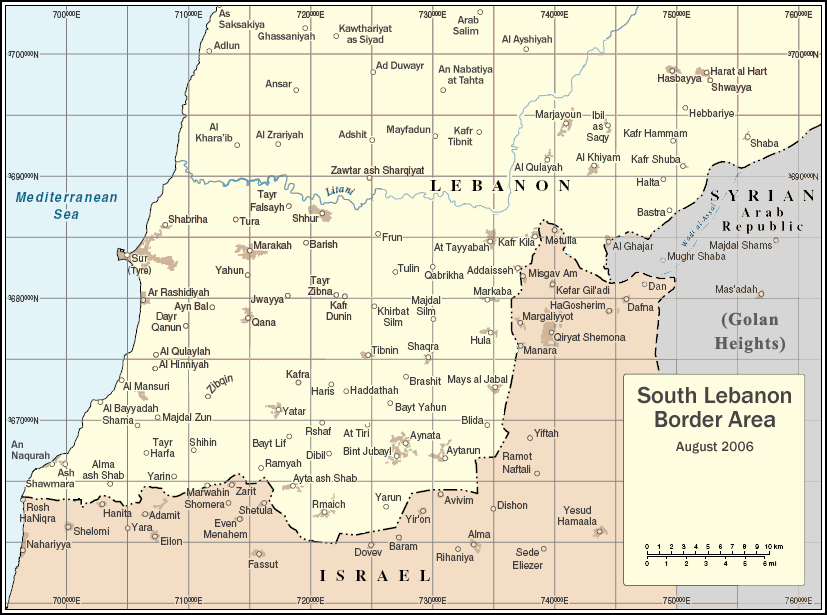
A deadly conflict erupted on October 8, 2023, as the Lebanese militant group Hezbollah launched rockets and artillery at Israeli positions, following Hamas’s October 7 attacks on Israel. The sudden escalation sparked a prolonged exchange of bombardments, resulting in extensive displacement in both Israel and Lebanon. This latest outbreak of violence is part of the broader Middle Eastern crisis that began with Hamas’s attack, and it has already drawn in multiple regional players.
The conflict began when Hezbollah started firing guided rockets and artillery shells at Israeli positions in the Shebaa Farms, in what the group claimed was a show of solidarity with Palestinians. This move came on the heels of the October 7 Hamas-led attack on Israel and the subsequent Israeli bombing of the Gaza Strip. Israel quickly retaliated, launching drone strikes and artillery shells at Hezbollah positions, and carrying out airstrikes throughout Lebanon and in Syria. The rapid escalation of violence has raised concerns about the potential for further destabilization in the region.
In northern Israel, the ongoing conflict has already forced approximately 96,000 individuals to leave their homes, as the situation on the ground continues to deteriorate. The Israeli military has been working to respond to the attacks, while also trying to minimize civilian casualties. The international community has been watching the situation closely, with many calling for a swift end to the violence. As the conflict continues to unfold, it remains to be seen how the various regional and global players will respond, and what the ultimate outcome will be.
The United States, a long-time ally of Israel, has been closely monitoring the situation, and officials from the Biden administration have been in touch with their Israeli counterparts. The US has historically been a strong supporter of Israel, and it is likely that this will continue to be the case as the conflict moves forward. At the same time, the US has also been working to promote stability in the region, and to encourage a peaceful resolution to the conflict. As the situation continues to evolve, it will be important to watch how the US responds, and what role it plays in shaping the ultimate outcome.
Hezbollah’s actions have been widely condemned, and the group’s ties to Iran have raised concerns about the potential for further Iranian involvement in the conflict. The Iranian government has been accused of providing financial and military support to Hezbollah, and its hostile rhetoric towards Israel has only added to the tensions. As the conflict continues to unfold, it will be important to watch for any signs of increased Iranian involvement, and to consider the potential implications of such involvement. The US and its allies have long been critical of Iran’s support for militant groups like Hezbollah, and it is likely that this criticism will continue as the situation moves forward.
Looking ahead, it will be important to watch for any signs of escalation or de-escalation in the conflict. The international community will be closely monitoring the situation, and working to promote a peaceful resolution. The US, in particular, will play a key role in shaping the outcome, and its response to the conflict will be closely watched. As the situation continues to unfold, it remains to be seen what the ultimate outcome will be, but one thing is certain: the conflict between Hezbollah and Israel has the potential to have far-reaching implications for the region, and for the world at large. The coming days and weeks will be critical in determining the course of the conflict, and the international community will be watching with bated breath.