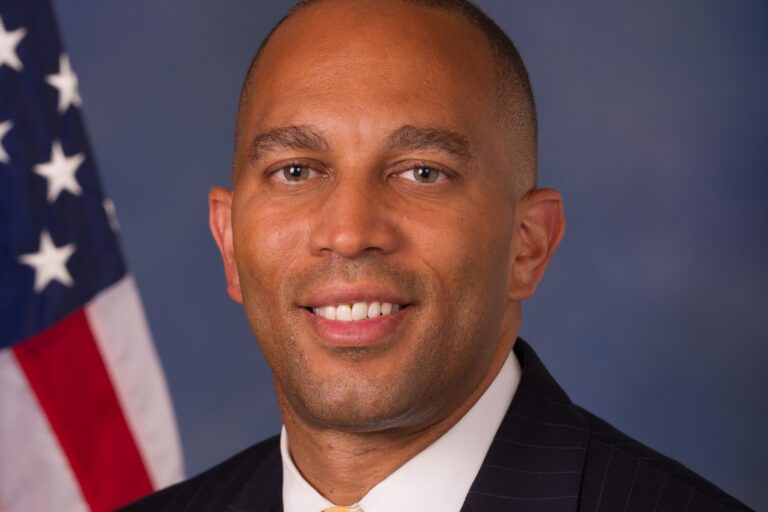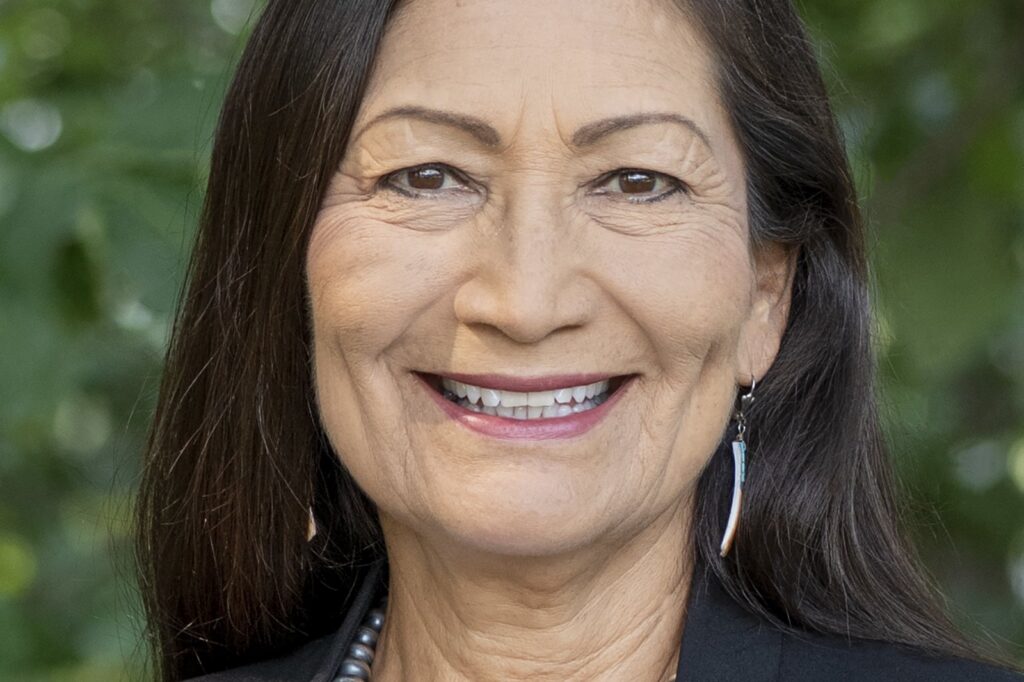
ALBUQUERQUE, November 9, 2026 — Native American women have made history in tribal, state, and federal elections, with Deb Haaland becoming the first Native American woman elected governor of a U.S. state, Peggy Flanagan becoming the first Native American woman elected to the U.S. Senate, and Crystalyne Curley becoming the first woman president of the Navajo Nation. As these women break barriers, they also highlight the persistent barriers that remain for Indigenous women running for office.
Historic Barriers
The historic wins of Native American women in the 2026 midterms are a significant milestone, but they also underscore the long and difficult road to achieving formal political power. According to Jordan James Harvill, a Cherokee Nation citizen and strategist with the advocacy group Advance Native Political Leadership, decades of political organizing are bearing fruit as more Native women run for and win office. However, the fact that only four Native American men have ever served in the U.S. Senate, and no Native women before Flanagan, highlights the depth of the barriers that remain.
Persistent Disparities
Despite the progress made, systemic barriers persist, including campaign finance disparities and party recruitment bias. Geographic isolation also poses a significant challenge, with many Native American communities located in remote areas with limited access to resources and funding. Furthermore, the lack of representation of Native American women in politics is a legacy of historical and ongoing injustices, including the disruption of traditional governance systems and the exclusion of Native women from formal political participation.
Sustaining Gains
To sustain the historic gains made by Native American women, it is essential to invest in pipeline development, donor networks, and tribal sovereignty protections. As Harvill noted, “this is a seismic shift that is happening in our communities,” and it requires continued support and resources to ensure that more Native women can run for and win office. The election of at least 75 Native women, non-binary, and Two Spirit candidates in the November midterms, as reported by Advance Native Political Leadership and the news site ICT, demonstrates the potential for growth and the importance of continued investment in Native American women’s leadership.
Looking Ahead
As Native American women continue to break barriers and make history, it is crucial to recognize the ongoing challenges they face and to work towards creating a more inclusive and equitable political landscape. By supporting organizations like Advance Native Political Leadership and promoting the leadership of Native American women, we can help to ensure that their historic wins are not isolated events, but rather a stepping stone for future generations of leaders. As Flanagan said, “I could not run for the U.S. Senate without Native women. I could not exist in the way that I do without Native women,” highlighting the importance of community support and solidarity in overcoming the persistent barriers that remain. By nightfall, the significance of their wins will be clear: a new era of Native American women’s leadership has begun, and it will require continued effort and investment to ensure its success.
Sources
- Native American women made history in tribal, state and federal elections
- Native American women in politics
- ‘Seismic shift’: Native American women made significant gains in US midterms
- 2 Native American women make history in 2026 midterm elections
- Flanagan heads to U.S. Senate, shaped by generations of Native women leaders
- Native American women made history in tribal, state and federal elections
Photo: Department of the Interior (Public domain)