The Houthi rebels have issued a provocative statement, with spokesman Yahya Sarea declaring the group’s intention to target ships owned or operated by Israeli companies, or those flying the Israeli flag. This announcement, made on November 19, 2023, has significant implications for global maritime security and the ongoing conflict in the Middle East. The Houthis, who are backed by Iran, have a history of launching attacks on shipping vessels and oil tankers, disrupting global energy supplies and posing a threat to international trade.
As a militant group, the Houthis have been at the forefront of the conflict in Yemen, where they have been battling the government and a Saudi-led coalition since 2015. Their ties to Iran have been well-documented, with the Iranian government providing them with financial and military support. This backing has enabled the Houthis to acquire advanced weaponry, including ballistic missiles and drones, which they have used to attack targets in Saudi Arabia and the United Arab Emirates. The US has been critical of Iran’s support for the Houthis, with the US State Department condemning their actions as “reckless and destabilizing”.
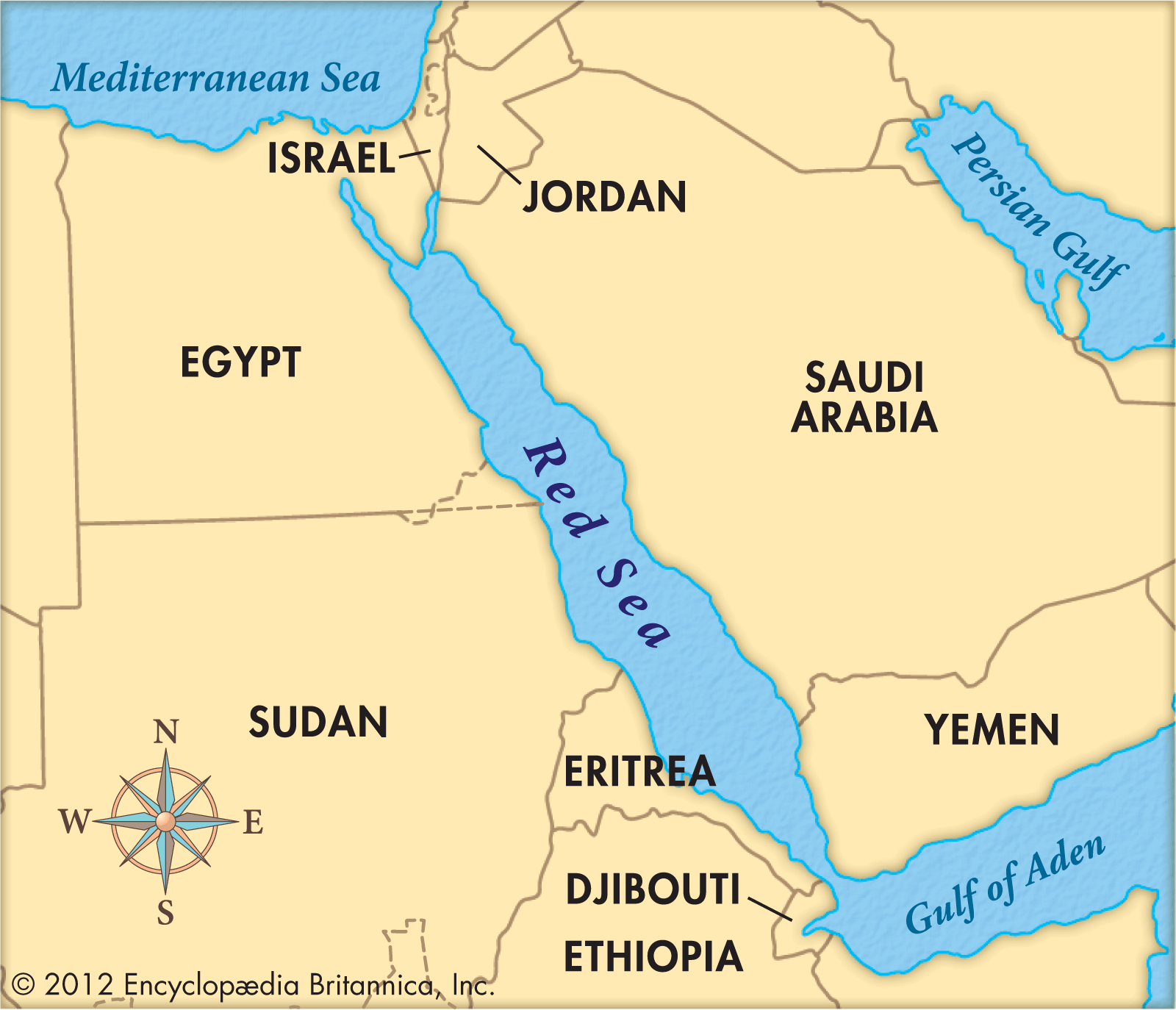
The Houthi threat to target Israeli-owned or flagged ships has raised concerns about the potential for a wider conflict in the region. Israel has a significant maritime trade presence, with many of its ships passing through the Bab-el-Mandeb Strait, a vital waterway that connects the Red Sea to the Gulf of Aden. Any disruption to shipping in this area could have far-reaching consequences for global trade and energy supplies. The US, which has a long-standing alliance with Israel, has pledged to support its partner in the face of any threats, with the US Navy maintaining a significant presence in the region to protect shipping lanes and deter potential attacks.
The international community has been critical of the Houthi’s actions, with the United Nations condemning their attacks on civilian targets and calling for an end to the conflict in Yemen. The US, in particular, has been vocal in its criticism of the Houthis and their Iranian backers, with the US Ambassador to the UN, Linda Thomas-Greenfield, stating that “the Houthis’ actions are a direct result of Iran’s destabilizing activities in the region”. China, which has significant economic interests in the region, has been more circumspect in its response, calling for a peaceful resolution to the conflict while avoiding direct criticism of the Houthis or their Iranian supporters.
As the situation continues to unfold, there are concerns about the potential for escalation and the impact on global security. The US and its allies are likely to increase their military presence in the region, while Israel may take steps to protect its shipping interests. The Iranian government, which has been accused of providing support to the Houthis, may face increased pressure from the international community to rein in its proxy forces. With the conflict in Yemen already causing significant humanitarian suffering, the potential for further violence and instability is a pressing concern, and one that will require careful diplomacy and cooperation from the international community to resolve.
Looking ahead, the coming days and weeks will be critical in determining the trajectory of the conflict. The US and its allies will be watching the situation closely, and will be prepared to take action to protect their interests and prevent further instability in the region. As the Houthi’s threat to target Israeli-owned or flagged ships hangs in the balance, one thing is clear: the situation in the Middle East has just become a lot more volatile, and the international community will need to be vigilant in its response to prevent a wider conflict from erupting. With the US committed to supporting its allies and protecting global security, the stage is set for a potentially significant escalation in the region, one that will require careful management and diplomacy to resolve.