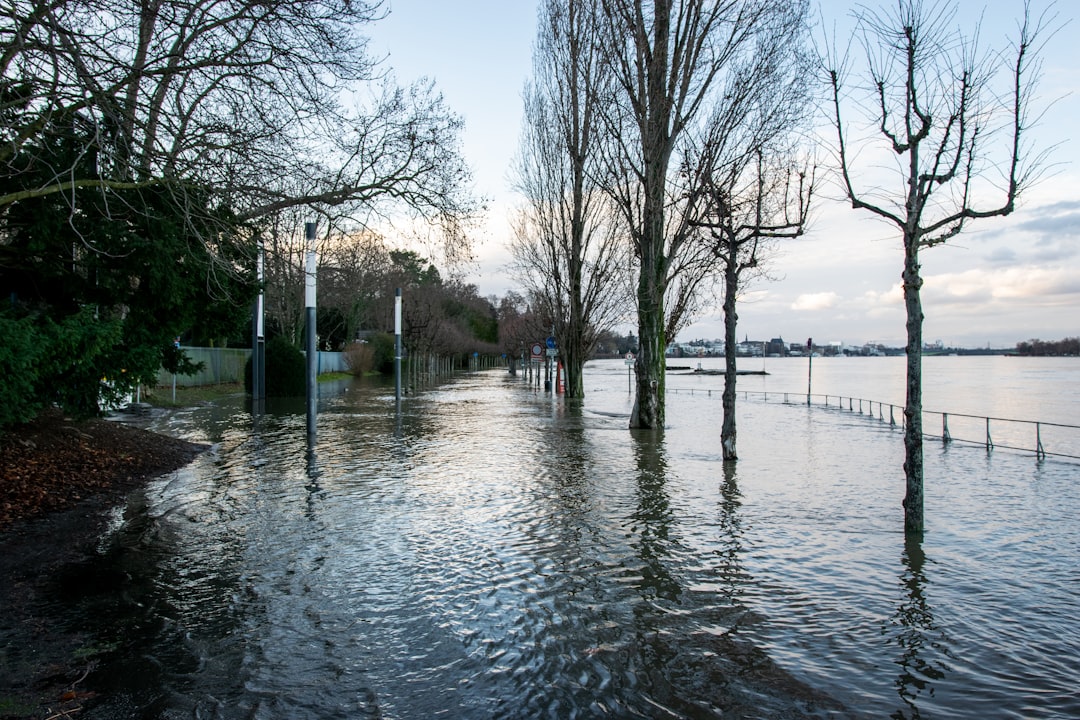
Mudslides buried homes. Streets turned into rivers. And then, days after Hurricane John first slammed into Mexico’s southern Pacific coast, the storm did something unusual. It came back.
The system made its initial landfall in Marquelia, Guerrero, on September 24 as a Category 3 hurricane. That alone was destructive. But the storm’s behavior after that is what made the disaster worse. John weakened over land, dissipated, then reorganized over the ocean. It made a second landfall near Tizupan, Michoacán, on September 27. That second hit dumped more rain on ground already saturated. Flooding that had not receded got worse.
This is not a common track. Most hurricanes weaken over mountains and die. John did not. Favorable conditions over the water let it regain strength. It moved back inland, then fell apart for good over the coastal mountains. The whole sequence — from a low-pressure area offshore to a tropical depression on September 22, to a hurricane, to dissipation, to a second landfall — took less than a week.
The stakes for people in Guerrero and Michoacán were immediate. Record rainfall caused catastrophic flooding. Mudslides cut off roads. Emergency responders had to deal with a moving target. Just as they started assessing damage from the first strike, the storm reformed and hit again. That is not a hypothetical risk. It happened.
What is at risk now is the recovery itself. Flooded areas need clean water. Destroyed homes need rebuilding. Crops drowned in the field. The storm did not just knock things down once. It knocked them down, then hit the wreckage a second time. For families in small towns along the coast, that means starting over from a worse position than they expected.
The storm’s erratic path also puts a spotlight on forecasting. Tropical cyclones are complex systems. They do not always follow the simple track maps. John proved that. It weakened, then strengthened. It died, then came back. Forecasters had to keep updating warnings. Residents had to stay alert longer. The margin for error in a situation like that is thin. A late warning can be a deadly one.
Rainfall totals from the storm broke records. That is not just a statistic. It means rivers rose higher than they had in decades. It means floodwaters reached places that had never flooded before. It means people who thought they were safe were not. Mudslides followed. The combination of steep terrain and relentless rain is a lethal one in southern Mexico.
The response has been led by local and state emergency services. They faced a storm that refused to stay dead. That complicates logistics. Supplies have to be moved. Shelters have to stay open. Search and rescue teams have to keep working even when the weather turns bad again. The second landfall on September 27 did not just add damage. It added time. Every day of flooding delays the start of rebuilding.
Hurricane John is over now. The system dissipated for the final time over the coastal mountains. But the impact is not over. The water is still there. The mud is still there. The wreckage is still there. For the people of Guerrero and Michoacán, the storm may be gone, but the cost of it is just beginning to be counted.