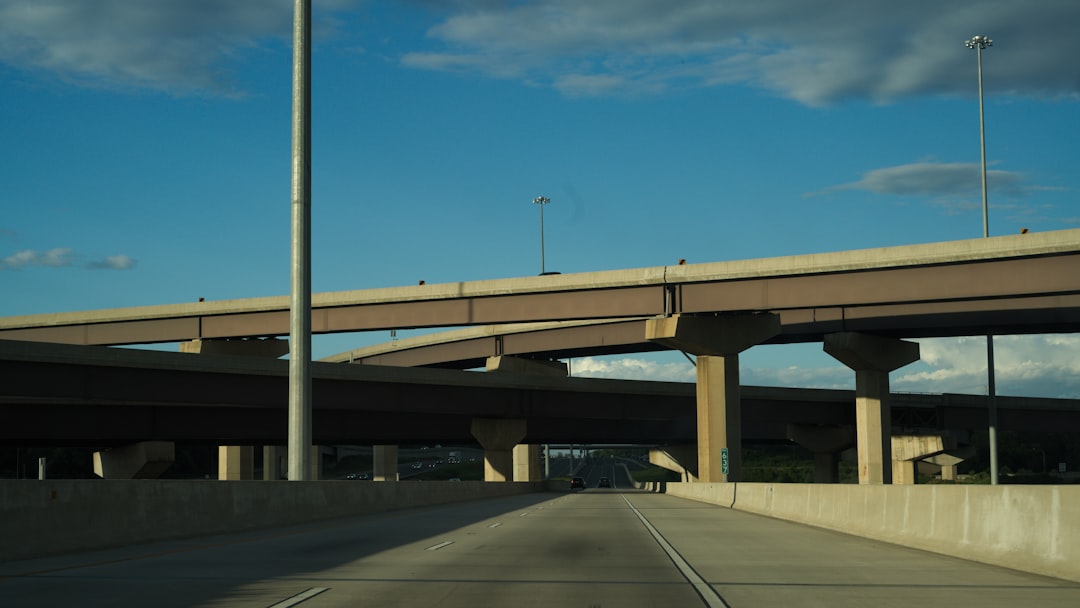
The collapse of a section of Interstate 95 in Philadelphia on June 11, 2023, did not just buckle concrete and steel. It severed a primary circulatory system for the Eastern Seaboard. The tanker truck fire that caused the overpass to fall has now set in motion a chain of consequences that will ripple through the region for months.
I-95 is not a local road. It is the main north-south Interstate Highway on the East Coast. The highway runs over 1,900 miles, from Miami, Florida, to the Houlton-Woodstock Border Crossing between Maine and the Canadian province of New Brunswick. Its route largely parallels the Atlantic coast. It connects Miami, Jacksonville, Savannah, Richmond, Washington, D.C., and a host of other major cities. That is a lot of people and a lot of freight. Now, a critical link in that chain is gone.
The immediate fallout is traffic. Commuters and truckers will need to find alternative routes. That is a polite way of saying the roads around the collapse site will likely become parking lots. Congestion will spike. Travel times will balloon. For the trucker hauling perishable goods from Florida to New York, or the commuter trying to get to work in Philadelphia, this is not an abstract concern. It is a daily reality that just got harder.
Then there is the economy. Businesses along the I-95 corridor rely on efficient transportation networks to receive goods and supplies. The report explicitly states this. A disrupted highway means delayed shipments, higher costs, and potential shortages. The local economy around the collapse site will feel it first, but the effects will radiate outward. A major transportation route is down. The cost of that disruption will be measured in dollars and lost time.
The incident also forces a hard look at the nation’s infrastructure. The report notes that the collapse has raised concerns about safety and maintenance, particularly on critical highways like I-95. This is the second layer of the story. A tanker truck fire should not cause a highway overpass to fall. That it did suggests a vulnerability. The integrity of I-95 is essential for the economic and social well-being of the regions it serves. That is a direct statement from the report. The collapse proves that integrity can be shattered by a single accident.
Regular inspections and maintenance are the stated need. The report says they are necessary to prevent such disasters. The question now is whether those inspections are happening, and whether they are thorough enough. The collapse in Philadelphia will likely be used as a case study. Engineers will study the debris. Investigators will trace the fire’s path. The goal will be to understand exactly why the structure failed, and to figure out if other overpasses along I-95 are at risk.
Authorities will need to act swiftly. The report says they must assess the damage, implement repairs, and restore the highway to its functional state. Minimizing the impact on traffic and commerce is the stated goal. But swift action is relative. Rebuilding a collapsed highway section is not a quick job. It requires engineering, funding, and construction. While the work is done, the detours will remain. The congestion will persist. The economic pressure will build.
The tanker truck fire that caused the collapse is the immediate cause. But the event has opened a wider conversation. It is about the age of the infrastructure. It is about the volume of traffic these roads carry. It is about what happens when a single point of failure takes down a vital artery. The highway’s route largely parallels the Atlantic coast and US 1. That is a long line of vulnerable infrastructure. Philadelphia is just one point on that line. The collapse there is a warning signal for every city along I-95.