The explosives that tore through buildings in Ibadan on January 17 were not meant for construction or demolition. They were stockpiled for illegal mining. That distinction matters. It points directly to a shadow economy that operates without permits, without safety rules, and without government oversight.
Seventy-seven people were injured. Three are dead. The blast leveled structures in a residential area of Nigeria’s third-largest city. The source material is clear: the explosives were stored for use in unauthorized mining operations. This was not a random accident. It was a foreseeable consequence of a system that has failed to regulate a dangerous trade.
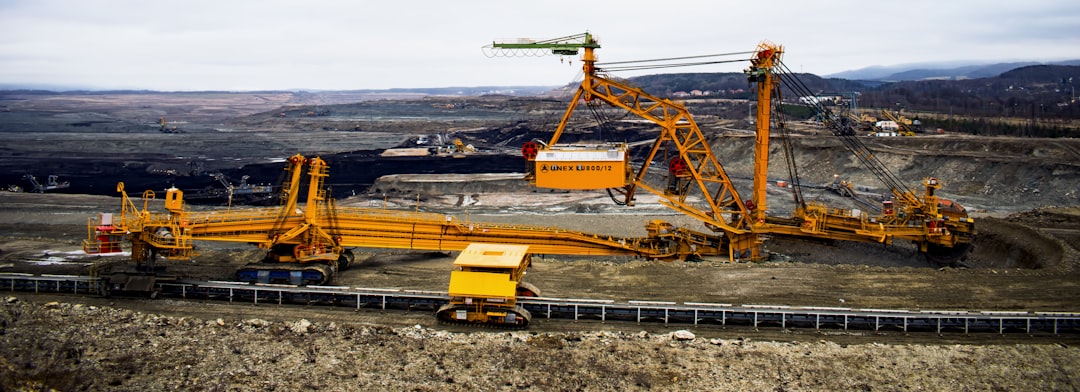
Illegal mining is not a fringe activity. Worldwide, roughly 80 percent of small-scale mining operations lack proper permits and licenses. That figure comes from the report. In Nigeria, the numbers are likely worse. The country’s mineral wealth — gold, lead, zinc, tin — draws thousands of artisanal miners. Many are poor, trying to feed families. Some are controlled by organized crime syndicates. Both groups often work outside the law.
The procedures for legal mining exist. They require permits for exploration, for extraction, for transport. They mandate safety regulations for workers. They are designed to prevent exactly what happened in Ibadan. But they are ignored on a massive scale. The report states that many mining operations in Nigeria and other countries are not following these procedures. The result is a landscape of risk.
Explosives make that risk catastrophic. Stored improperly, handled without training, kept in residential areas — they become time bombs. The Ibadan blast is a tragic reminder, the report says. But it is more than a reminder. It is a direct outcome of enforcement failures. The Nigerian government has a responsibility to enforce laws and regulations to prevent illegal mining. That responsibility was not met here.
The damage is not just immediate. Illegal mining causes long-term harm. Unregulated pits collapse. Toxic chemicals leach into water. Land is stripped without reclamation. The report notes the absence of safety regulations and environmental protections leads to accidents, injuries, fatalities, and damage to ecosystems. The explosion was the acute event. The chronic damage goes on.
Nigeria is not alone in this. The problem is global. But the explosion in Ibadan happened on Nigerian soil, in a Nigerian city, to Nigerian people. The government’s response will be watched. Will there be arrests? Will mining sites be inspected? Will the 80 percent of unlicensed operations face consequences? The report does not answer those questions. It simply states the facts.
Three dead. Seventy-seven injured. Explosives for illegal mining. A city shaken. The background is clear. The question is whether anything changes.