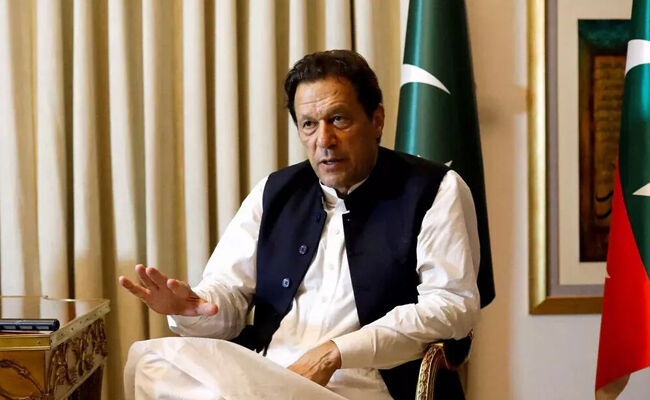
On August 8, 2023, Imran Khan, the 19th prime minister of Pakistan, remains a prominent figure in the country’s politics and beyond. Having served as prime minister from August 2018 until April 2022, Khan’s legacy is multifaceted, encompassing his achievements in cricket, philanthropy, and politics. As the founder of the Pakistan Tehreek-e-Insaf (PTI) party, which he chaired from 1996 to 2023, Khan’s impact on Pakistani politics is undeniable.
Khan’s career in cricket is particularly noteworthy. Born on October 5, 1952, in Lahore, he began his international cricket career in a 1971 Test series against England. He went on to captain the Pakistan national cricket team to victory in the 1992 Cricket World Cup, a feat that cemented his status as a cricket legend. During his captaincy, Khan advocated for neutral umpiring, a move that reflected his commitment to fair play. His leadership also led Pakistan to its first-ever Test series victories in India and England during 1987, a significant milestone in the country’s cricket history.
As a cricketer, Khan’s achievements are impressive. He is one of the few players to have achieved the all-rounder’s triple of scoring 3,000 runs and taking 300 wickets in Tests. Additionally, he holds the world record for the most wickets as a captain in Test cricket, as well as the second-best bowling figures in an innings. These records demonstrate Khan’s exceptional skill and dedication to the sport. After retiring from cricket, Khan turned his attention to philanthropy, founding the Shaukat Khanum Memorial Cancer Hospital and Research Centre, Pakistan’s first cancer hospital.
Philanthropy and Politics
Khan’s philanthropic efforts have had a lasting impact on Pakistan. The Shaukat Khanum Memorial Cancer Hospital and Research Centre, which he founded, has provided critical healthcare services to countless individuals. This endeavor reflects Khan’s commitment to giving back to his community and improving the lives of others. In addition to his philanthropic work, Khan’s entry into politics marked a significant shift in his career. As the founder and chairman of the PTI party, Khan has been a major player in Pakistani politics for over two decades.
Khan’s educational background also warrants mention. He graduated from Keble College, Oxford, an experience that likely influenced his worldview and approach to politics. His time at Oxford may have shaped his perspectives on governance, economics, and social issues, ultimately informing his policy decisions as prime minister. As the leader of the PTI party, Khan has been instrumental in shaping the country’s political landscape. His tenure as prime minister, although marked by challenges, has left a lasting impact on Pakistan’s governance and economy.
As the country looks to the future, it is essential to consider the legacy of Imran Khan and its implications for Pakistan’s development. With his departure from the chairmanship of the PTI party, the political landscape is likely to undergo significant changes. As the nation navigates these shifts, it is crucial to remain informed about the evolving political climate and its potential consequences. In the coming months, it will be essential to watch how Khan’s legacy continues to shape Pakistani politics and how his contributions to cricket, philanthropy, and governance are remembered and built upon.