An expert assessment that Indian Americans “lack hard power” in U.S. politics collided with ballot-box reality this month, as the community delivered its most decisive electoral statement yet. Six Indian Americans won seats in the U.S. House of Representatives on November 3, matching a record high and cementing a voting bloc that has swung back toward Democrats with unusual force.
The Numbers Behind the Realignment
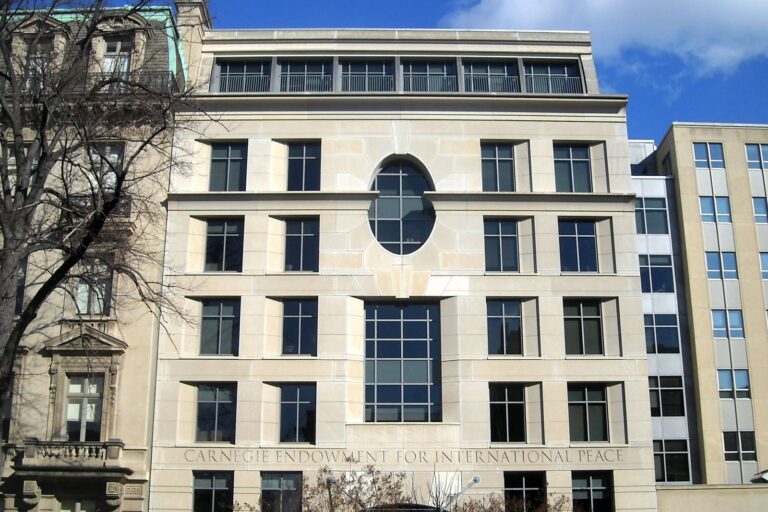
A Carnegie Endowment for International Peace survey conducted in late October found 62 percent of Indian American citizens intend to vote for Democratic congressional candidates, compared with just 19 percent backing Republicans. The same advantage holds in Senate races, where 63 percent favor the Democratic candidate against 21 percent for the Republican. The survey, fielded by YouGov from October 7 to 27 with a margin of error of 3.87 percentage points, captures a near-complete reversal of the Republican gains recorded in the 2024 presidential election.
In 2024, Donald Trump secured 30 percent of the Indian American vote against Kamala Harris’s 62 percent, a noticeable shift from 2020 when Joe Biden carried 68 percent against Trump’s 22 percent. By January 2026, Democratic support had dipped to 57 percent while Trump held 25 percent. The latest data shows Republican support collapsing to 19 percent, a level not seen since the mid-2000s when surveys first identified Indian Americans as among the Democratic Party’s most reliable voters.
Demographics and the Calculus of Influence
The community numbers fewer than six million, roughly 1.5 percent of the U.S. population, according to the Indian Ministry of External Affairs. Yet it punches above its weight. Indian Americans hold the highest median household income and the second-highest per capita income of any ethnic group in the United States, trailing only Taiwanese Americans. The population expanded sharply after the 1980s, when U.S. migration policies began prioritizing highly skilled and educated immigrants from India. The United States now hosts the largest Indian diaspora by population, though not by percentage.
That economic profile, combined with geographic concentration in competitive suburbs, has made the bloc a target for both parties. The Carnegie survey notes the Democratic advantage among Indian Americans is considerably larger than among white voters (40 percent Democratic), Hispanic voters (46 percent), and approaches the level of Black voters (76 percent).
From Presidential Drift to Congressional Snapback
The 2024 shift toward Trump was driven in part by older Indian American men, a cohort that had grown more receptive to Republican messaging on taxes and regulation. That openness evaporated during Trump’s second term. By early 2026, large majorities of Indian Americans disapproved of the president’s handling of immigration, the domestic economy, international economic policy, and U.S.-India relations, once a relative strength for the administration.
The backlash accelerated as the midterms approached. Anti-South Asian hate incidents on social media platform X increased 240 percent between January 2024 and June 2026, according to the Center for the Study of Organized Hate. A fatal traffic accident involving a Sikh truck driver in Florida prompted the administration to pause work visas for commercial drivers, followed by a hike in H-1B visa fees. Researchers linked the rhetoric to physical violence, including the stabbing of a Sikh truck driver at a Wyoming rest stop in September.
Carnegie’s authors — Sumitra Badrinathan, Devesh Kapur, Annabel Miller, Andy Robaina, and Milan Vaishnav — cautioned against direct comparisons between presidential and congressional survey waves. But they concluded the trend indicates “the Republican Party’s electoral gains among Indian Americans have not translated into durable support for Republican congressional candidates.”
Six Seats and a Florida Flip
The November 3 results bore out the survey. Four incumbents — Ami Bera, Ro Khanna, Pramila Jayapal, and Suhas Subramanyam — defended their seats. Two newcomers expanded the delegation. In Florida’s 22nd Congressional District, Democrat Pia Dandiya defeated Republican Casey Askar 52 percent to 48 percent, flipping one of the nation’s most competitive districts. Dandiya, a former educator and White House Fellow born to Indian immigrant parents in Palm Beach County, becomes the newest member of the informal “Samosa Caucus.”
Arizona Democrat Amish Shah, an emergency-room physician and former state legislator, won the state’s 1st Congressional District, restoring the caucus to six after the departures of Raja Krishnamoorthy and Shri Thanedar. The new Congress convenes in January 2027.
What This Signals
The community’s political trajectory mirrors its demographic arc: rapid growth, elite economic status, and now, concentrated legislative representation. Six House members from a population of 1.5 percent is a ratio few other groups match. The question ahead is whether the 2026 realignment holds in a presidential cycle, or whether the calculus shifts again when the top of the ticket changes. For now, the numbers say the Republican inroad was a episode, not a trend.
Sources
- Indian Americans
- How Indian Americans Plan to Vote in the 2026 Midterms
- Desis On The Ballot: Six Indian-Americans Head to U.S. Congress, Two New Faces Join Capitol Hill
- Meet the Indian Americans who won in the 2026 US midterm elections
- The Midterms Mark a Progressive Turn for South Asian Americans
- Indian Americans Turn Away From Republicans Ahead of US Midterm Elections, Carnegie Survey Finds – The Wire
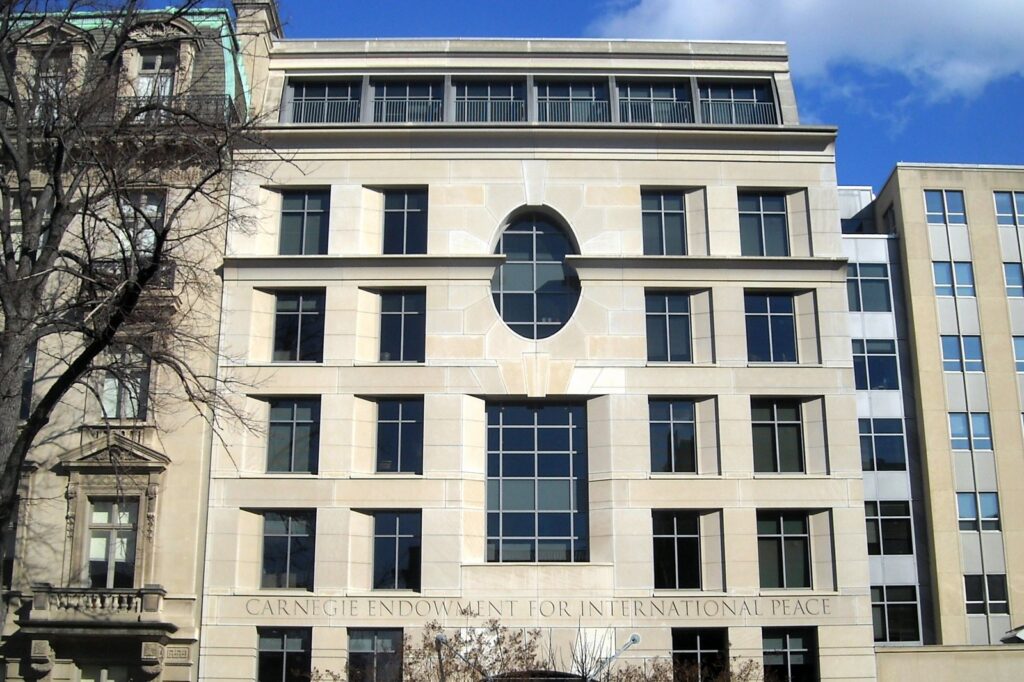
Photo: AgnosticPreachersKid (CC BY-SA 3.0)