
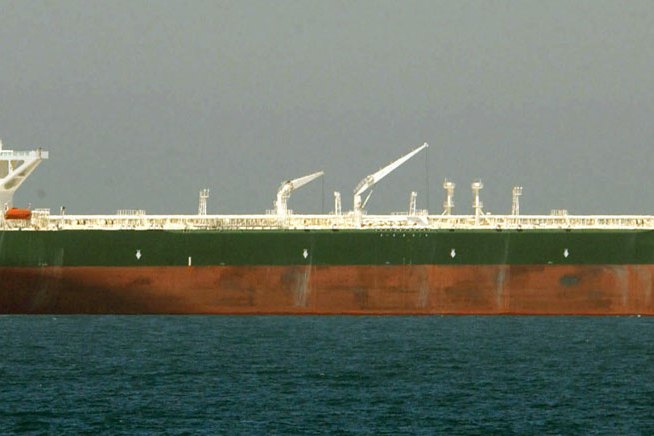
Iran said on June 20 that it had closed the Strait of Hormuz again, three days after Presidents Donald Trump and Masoud Pezeshkian signed a memorandum of understanding meant to end the war and the blockades of the waterway. Tehran blamed Israeli strikes in Lebanon, calling them a violation of the agreement. The U.S. military denied that claim.
The timeline was tight. On June 19, Trump announced a renewed ceasefire between Israel and Hezbollah, brokered with help from the United States, Qatar and Iran. Israel kept striking southern Lebanon anyway. Iran’s announcement followed the next day.
How the war reached the strait
Shipping through Hormuz has been largely blocked since February 28, 2026, when the United States and Israel opened an air war on Iran. The Revolutionary Guard warned vessels away, boarded and attacked merchant ships, and laid sea mines. From April 13 to May 29, the U.S. also blockaded Iranian ports. The Guardian described the standoff as a “dual blockade.”
A temporary ceasefire agreed on April 8 was meant to reopen the strait but unravelled after the Islamabad Talks failed. On April 17, Iran said it would allow commercial shipping after an Israel-Lebanon ceasefire agreement, yet the U.S. kept up its blockade and Iran brought back restrictions. On May 4, Trump launched Operation Project Freedom, a Navy mission to escort merchant ships out of the Gulf, and paused it two days later citing “great progress” toward a deal.
What is at stake
Before the war, about 25% of the world’s seaborne oil trade and 20% of its liquefied natural gas passed through the strait. At its narrowest it is 34 kilometres wide. Brent crude topped $100 a barrel on March 8 for the first time in four years and peaked at $126.
The International Maritime Organization reported on April 21 that about 20,000 mariners and 2,000 ships were stranded in the Persian Gulf. Analysts quoted by NPR early in the crisis described an “insurance-driven shutdown”: a few drone strikes were enough to persuade insurers and shipping companies the passage was unsafe. “We’re now facing what looks like the biggest energy crisis since the oil embargo in the 1970s,” said Helima Croft, global head of commodity strategy at RBC Capital Markets.
Trouble in the strait did not end on June 20. A U.S. Navy-overseen centre announced a widened route near Oman on June 27, and the interim truce between Washington and Tehran broke down on July 8 after Iran struck multiple commercial ships in the strait.
Sources
- 2026 Strait of Hormuz crisis – Wikipedia
- WATCH: How traffic dried up in the Strait of Hormuz since the Iran war began




