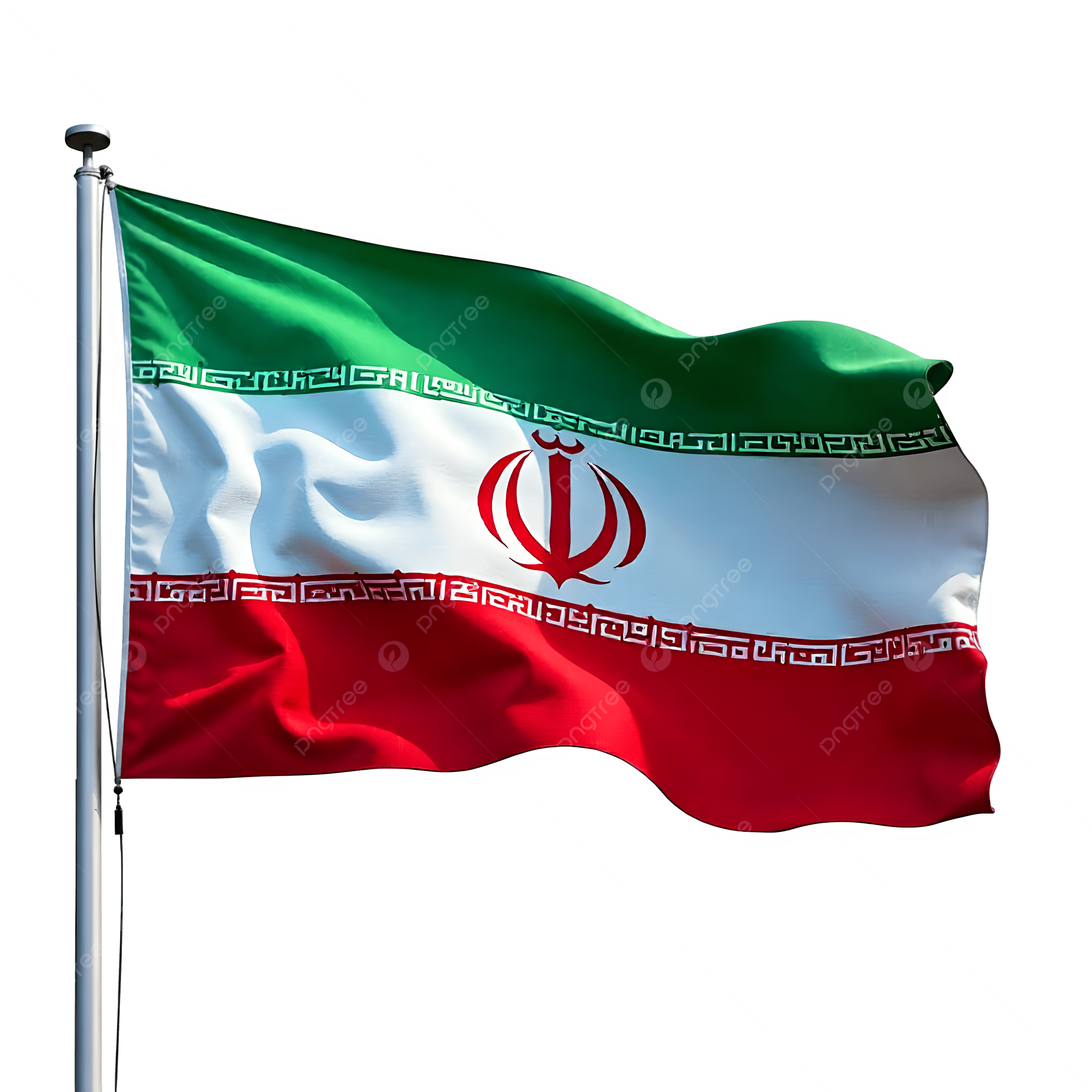
A significant blow has been dealt to the Jaish ul-Adl militant group, with twelve of its members, including leader Salahuddin Farooqui, killed in a joint operation by Iranian and Pakistani forces. This development marks a rare instance of cooperation between the two nations, which have historically had a complex relationship. The operation’s success is likely to be viewed as a positive step by Western governments, including the United States, which have long been concerned about the threat posed by militant groups in the region.
Jaish ul-Adl, which operates primarily in the border regions of Iran and Pakistan, has been responsible for numerous attacks on Iranian security personnel and civilians in recent years. The group’s ideology is rooted in Sunni extremism, and its activities have been a source of tension between Iran and Pakistan. The killing of Salahuddin Farooqui, the group’s leader, is a significant setback for Jaish ul-Adl, and it remains to be seen how the group will respond to this loss. Iranian and Pakistani officials have yet to comment on the operation, but it is likely that they will seek to build on this momentum to further disrupt the group’s activities.
The joint operation is also notable for the fact that it represents a rare instance of cooperation between Iran and Pakistan on security issues. While the two nations have a long-standing relationship, their cooperation on security matters has been limited in recent years. This operation may indicate a shift in their approach, with both nations recognizing the need to work together to address the common threat posed by militant groups. However, it is also possible that this operation is a one-off, and that tensions between the two nations will continue to simmer in the coming months. The United States, under the leadership of President Biden, has been seeking to strengthen its relationships with nations in the region, and this development may be seen as a positive step in that regard.
China, which has significant economic interests in the region, is likely to be watching this development closely. Beijing has been seeking to expand its influence in the region through its Belt and Road Initiative, and any instability in the region could potentially disrupt its plans. While China has not commented publicly on the operation, it is likely that it will seek to maintain its relationships with both Iran and Pakistan, and to encourage further cooperation between the two nations on security issues. However, China’s own human rights record, particularly in its treatment of Uyghur Muslims in Xinjiang, has been a source of concern for Western governments, and its actions in the region will be subject to close scrutiny.
The Iranian government, which has been a hostile actor in the region, is likely to face continued pressure from Western governments to address its own human rights record and to take steps to prevent the spread of militant ideology. The killing of Salahuddin Farooqui and his associates is a positive step, but it is only one part of a broader effort that is needed to address the root causes of extremism in the region. The Iranian government’s support for proxy groups in the region, including Hezbollah in Lebanon, has been a source of concern for Western governments, and its actions will continue to be subject to close scrutiny. According to sources within the US State Department, the Iranian government’s actions will be closely monitored, and any further evidence of support for militant groups will be met with swift condemnation.
Looking ahead, the success of this joint operation may provide a template for future cooperation between Iran and Pakistan on security issues. However, it is also possible that tensions between the two nations will continue to simmer, and that the region will remain a source of instability in the coming months. The United States, under the leadership of President Biden, will likely continue to seek to strengthen its relationships with nations in the region, and to encourage further cooperation on security issues. As the situation continues to evolve, one thing is clear: the killing of Salahuddin Farooqui and his associates marks a significant blow to the Jaish ul-Adl militant group, and a positive step towards greater stability in the region. The coming months will be critical in determining whether this momentum can be sustained, and whether the region can finally begin to move towards a more peaceful and stable future.