The ground beneath the Noto Peninsula stopped shaking on January 1, but the toll keeps climbing. As of January 5, the death count stands at 94. Another 222 people are missing. Rescue teams are still picking through rubble, and the full scale of the disaster is only now coming into focus.
This is not just a human tragedy. The earthquake struck a region known for its forests, wetlands, and coastal habitats. The Noto Peninsula’s ecosystem took a direct hit. Buildings collapsed. Roads cracked. But the natural landscape — the trees, the marshes, the shoreline — also suffered. The Japanese government has acknowledged the damage and pledged to restore the environment. That will take time. Ecosystems do not heal quickly.
The magnitude 7.6 quake was a violent reminder of the forces beneath the Earth’s crust. The Richter scale, developed by Charles Richter and Beno Gutenberg, measures such events. A 7.6 is a major earthquake. It can level cities. It did.
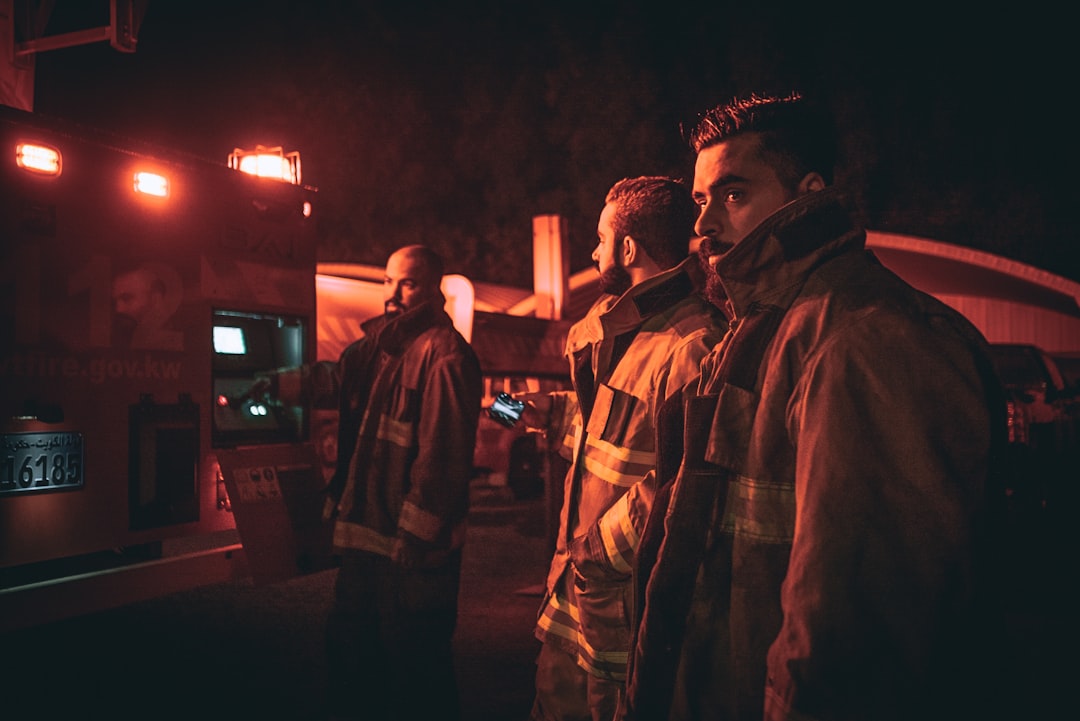
Rescue efforts are ongoing. Emergency responders are on the ground. Search and rescue teams are working through the debris. International aid has been offered. But the focus now is on the living — finding the missing, supporting the survivors, restoring water and power. The dead will be counted later.
There is a long-term question here that nobody is answering yet. What happens to the Noto Peninsula’s biodiversity? The region’s forests and wetlands are not just scenery. They support wildlife. They filter water. They stabilize soil. A quake this strong can alter drainage patterns, trigger landslides, and contaminate coastal waters with debris and sediment. The damage may not be visible from the air, but it is real.
The Japanese government has promised to work on ecosystem restoration. That is a good sign. But restoration is a slow, expensive process. It requires mapping the damage, removing hazardous materials, replanting, and waiting. Nature does not follow a schedule.
For now, the numbers dominate the news. 94 dead. 222 missing. Those figures will change. They may rise. They may fall if some of the missing are found alive. But the environment does not get a death toll. There is no count for acres of damaged wetland or kilometers of disrupted coastline. The quake’s impact on the natural world is harder to measure, but it is no less permanent.
The Noto Peninsula was known for its beauty. That beauty is now scarred. The question is whether it can recover, and how long that will take. The rescue teams are focused on people. That is right. But the land itself needs help too. The government has said it will provide that help. The international community has offered assistance. The work ahead is enormous.
This earthquake was a powerful event. It reshaped the ground and the lives of those who live on it. The immediate crisis is the search for survivors. The next crisis will be the recovery — of communities, of infrastructure, and of the natural world that surrounds them. That recovery will take years. It will take money. It will take patience. And it will require a commitment that lasts long after the headlines fade.