
Between 2018 and 2022, the number of overdose deaths involving fentanyl in Multnomah County rose by 533%, according to the county. On Tuesday, Oregon Gov. Tina Kotek declared a 90-day state of emergency in Portland, the state’s largest city.
She made the announcement alongside Portland Mayor Ted Wheeler and Multnomah County Chair Jessica Vega Pederson. The three called it a “tri-government” action. Kotek conceded that the city was suffering “economic and reputational harm” from the problem.
“Our country and our state have never seen a drug this deadly addictive, and all are grappling with how to respond,” she said in a statement.
What the order does
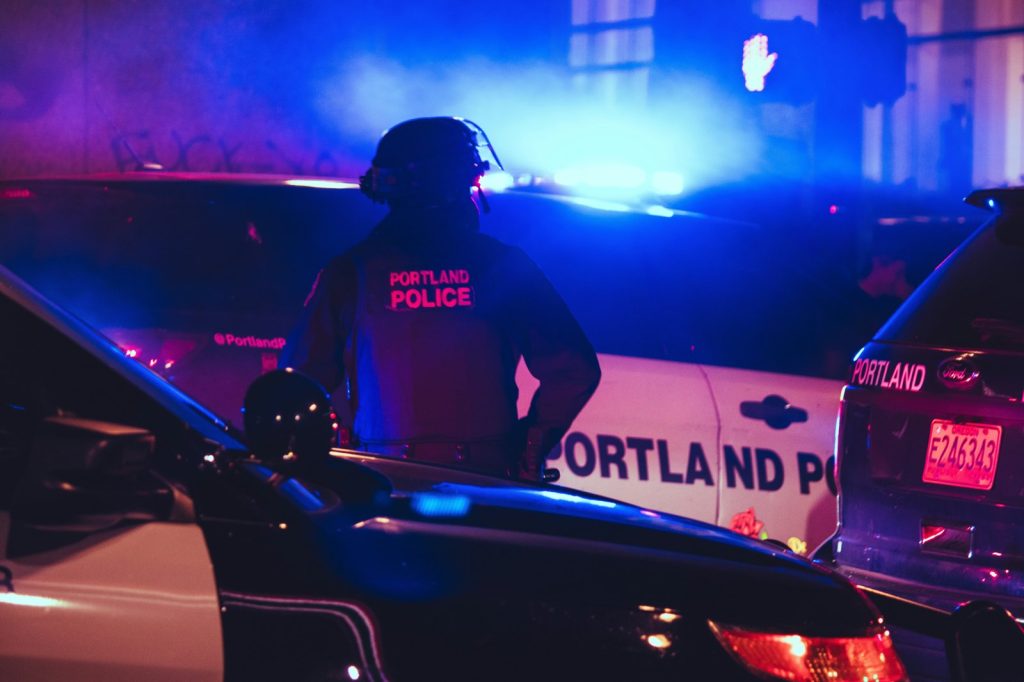
The order sets up a temporary command center where state, county and city employees will meet to coordinate their response, the officials said in a joint statement. It also calls for more peer outreach and resources for people with addictions, and for police to crack down on open drug dealing.
Kotek said the leaders would act “with urgency and unity across our public health and community safety systems to make a dent in this crisis.” In her words, “the next 90 days will yield unprecedented collaboration and focused resources targeting fentanyl and provide a roadmap for next steps.”
Fentanyl is a synthetic painkiller 50 times more powerful than heroin. Officials said Portland was being damaged by open use of the drug. Homelessness and drug use have pushed several major businesses and some residents out of the city in recent years.
Measure 110 in the background
Oregon voters passed Measure 110 in 2020, and the state became the first in the country to decriminalize most drug use. Police who encounter fentanyl users are supposed to refer them to treatment, but many people ignore the referral. Calling the hotline is voluntary, and those who do can have their fines waived.
State data show opioid deaths in Oregon climbing from 738 in 2021, the first year the law was in effect, to 956 in 2022. “We’ve had three years of this law that has not delivered on the promise that voters thought they were getting,” said Kevin Barton, the Washington County district attorney.
Kotek has previously asked state lawmakers to make public drug use a crime, along the lines of “open container” alcohol laws. Addiction-treatment groups could resist any rollback. They argue that re-criminalization would push people to use fentanyl in private, which might raise overdose rates.
Some Portland residents want the law kept. Ebony Brawley said it kept her out of prison. “Because of Measure 110, I was able to change my story and break those chains, and provide a life for myself and for my daughter that she probably wouldn’t have had,” she said.
Treatment advocates welcomed the declaration with caution. Haven Wheelock, harm reduction manager at the nonprofit Outside In, told CBS affiliate KOIN that the crisis “has been developing for decades” and that she remained hopeful. She added that no “90-day plan” would fix it on its own.
Jesse Cornett, policy director for Oregon Recovers, said his group had asked for an emergency declaration in August. He wants it extended statewide, with clear goals and immediate access to treatment. “If you talk to any police officer in the metro area, in Portland specifically, they don’t even have anywhere to take anyone that’s in the crisis right now,” he told KOIN, and he named a sobering center as one first step.
Sources
- Portland declares 90-day state of emergency to tackle fentanyl use
- Oregon officials declare fentanyl state emergency amid rising overdoses




