
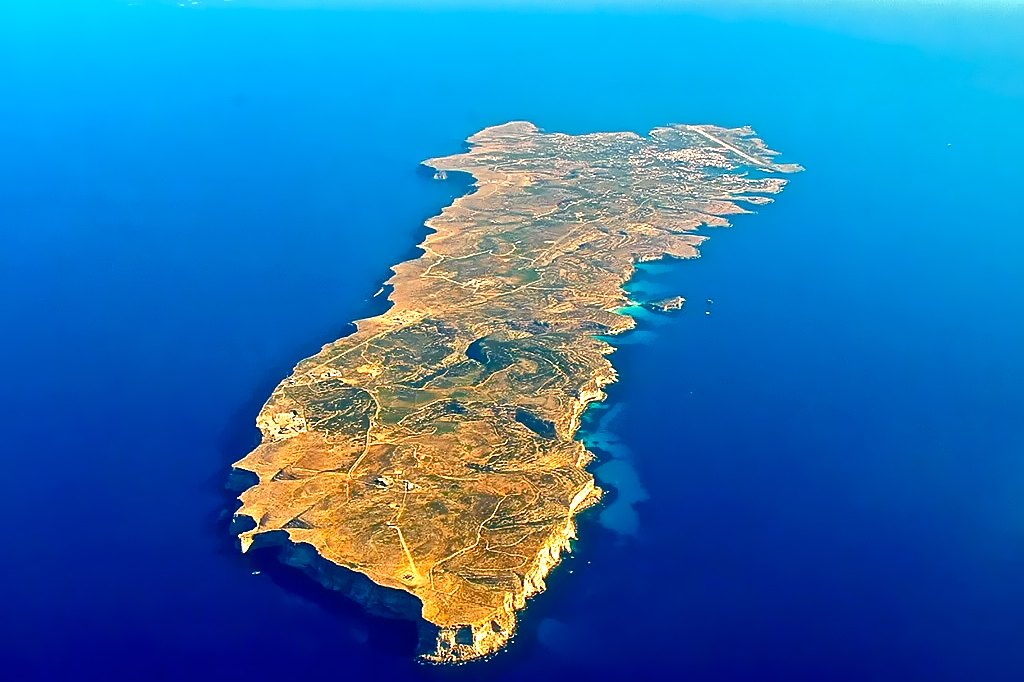
On 13 August 2025 a vessel carrying migrants capsized in the waters near Lampedusa, an Italian island situated 113 kilometres from Tunisia. The accident resulted in 26 confirmed deaths, with additional persons still unaccounted for as rescue teams continue their search. Lampedusa, the southernmost Italian territory covering 20.2 square kilometres of rocky land and scrub, has long served as the first point of European soil for many seeking refuge across the Mediterranean.
The island’s small community—about 6 000 residents—has repeatedly witnessed the arrival of boats, the recovery of bodies, and the strain placed on local facilities by a crisis that originates elsewhere. The municipality of Lampedusa e Linosa, which also includes the islands of Linosa and Lampione and falls under the Sicilian province of Agrigento, is responsible for the local response.
Officials there have repeatedly called for greater resources and a coordinated European strategy, arguing that the current cycle of rescue and burial has become a persistent reality for the island. Details about the capsized boat are limited. Authorities have not disclosed the migrants’ nationalities, the exact number of passengers, or the capacity of the vessel.
What is known is that the tragedy adds to a long‑standing pattern of drownings in the strait that separates Italy from North Africa. The geographic proximity of Tunisia and Malta makes Lampedusa a natural waypoint for migrants who have already endured arduous journeys across the Sahara, detention camps, and exploitation in North Africa.
For many, the final crossing to the Italian archipelago represents the last—and often most perilous—obstacle before reaching Europe. Boats used for these crossings are typically small, poorly maintained, and overloaded by smugglers seeking profit. Mechanical failures and capsizing are frequent, contributing to a steady flow of fatalities.
Year after year, thousands attempt the passage, and hundreds lose their lives despite extensive EU funding for border patrols, Libyan coast‑guard training, and deterrence measures. Italy bears a disproportionate share of the operational burden.
Lampedusa’s port regularly operates beyond capacity, processing migrants in temporary facilities before they are either transferred to the mainland, returned, or held pending further decisions. The system oscillates between crisis response and temporary stabilization, never achieving a lasting solution. Underlying drivers of migration—including armed conflict, poverty, climate‑related displacement, and political repression—remain largely unaddressed, leaving few safe and legal avenues for movement. Consequently, individuals continue to rely on hazardous sea routes, exposing themselves to the risk of boat failures such as the one that claimed 26 lives on 13 August.
The incident has been framed by officials as a call for “humane and sustainable solutions,” highlighting the inadequacy of current policies that allow repeated loss of life while political debates focus on quotas and rescue obligations. Lampedusa has become emblematic of the broader Mediterranean migration challenge: a small island bearing the visible consequences of policy shortcomings.
The 26 victims of the recent capsizing join a growing list of those who have perished in similar incidents, underscoring the urgent need for systemic change. Rescue operations remain active as authorities continue to search for the missing, and new arrivals persist in reaching the island’s shores.




