
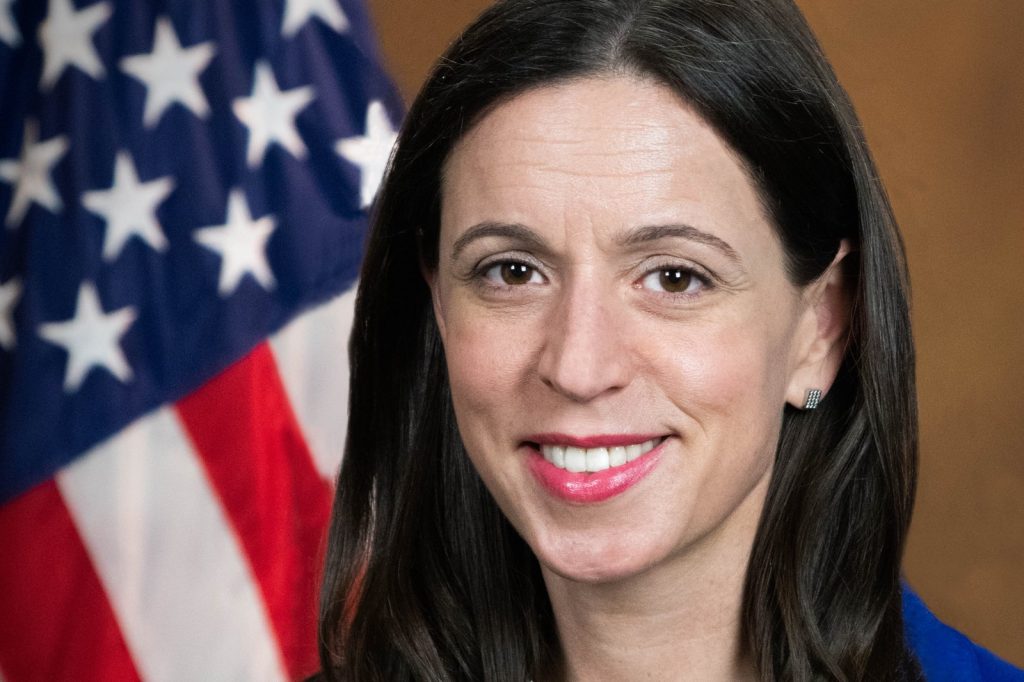
Elizabeth Oyer, the Justice Department’s former pardon attorney, sued the department and Attorney General Todd Blanche on Thursday. Her complaint says she was “unlawfully” fired after she declined to recommend restoring Mel Gibson’s gun rights.
The suit, filed in federal court in the District of Columbia, describes events in early 2025. Oyer says she was asked to “disregard her duties and facilitate a political favor” for Gibson, based on his “relationship with President Trump.” In her telling, she was to “make it seem like an independent review had concluded” that Gibson should get his gun rights back. Gibson was convicted of a domestic violence offense.
She refused. “Shortly after, she was fired by then deputy attorney general Todd Blanche,” the complaint says.
What the record shows
Gibson, an outspoken Trump supporter, lost his gun rights after a 2011 domestic violence misdemeanor conviction, the New York Times reported. In April 2025 the paper reported that the department was set to restore them.
Oyer told the Times last year that she was dismissed a day after refusing to make the recommendation. Two people familiar with the events backed her account of department discussions about guns, domestic violence and star power, the paper said.
The department has not answered the allegations in the suit. Guardian reporters asked for comment and got no immediate reply. After her dismissal in March 2025, a department official told the Times that the Gibson disagreement played no part in the decision.
The claims and the relief sought
Oyer held the pardon attorney post from April 2022 until March 2025. Before that she worked as an assistant federal public defender and as senior litigation counsel in the federal public defender’s office for the district of Maryland.
Her lawsuit argues the removal broke her constitutional due process rights, her rights under the Civil Service Reform Act and her First Amendment rights. It also says the firing violated “core separation of power principles.”
She wants a judge to declare the removal unlawful, return her to federal service and restore the pay and benefits she says she is owed. She also asks for an order barring any “further adverse personnel action” against her “without the protections required by law.”




