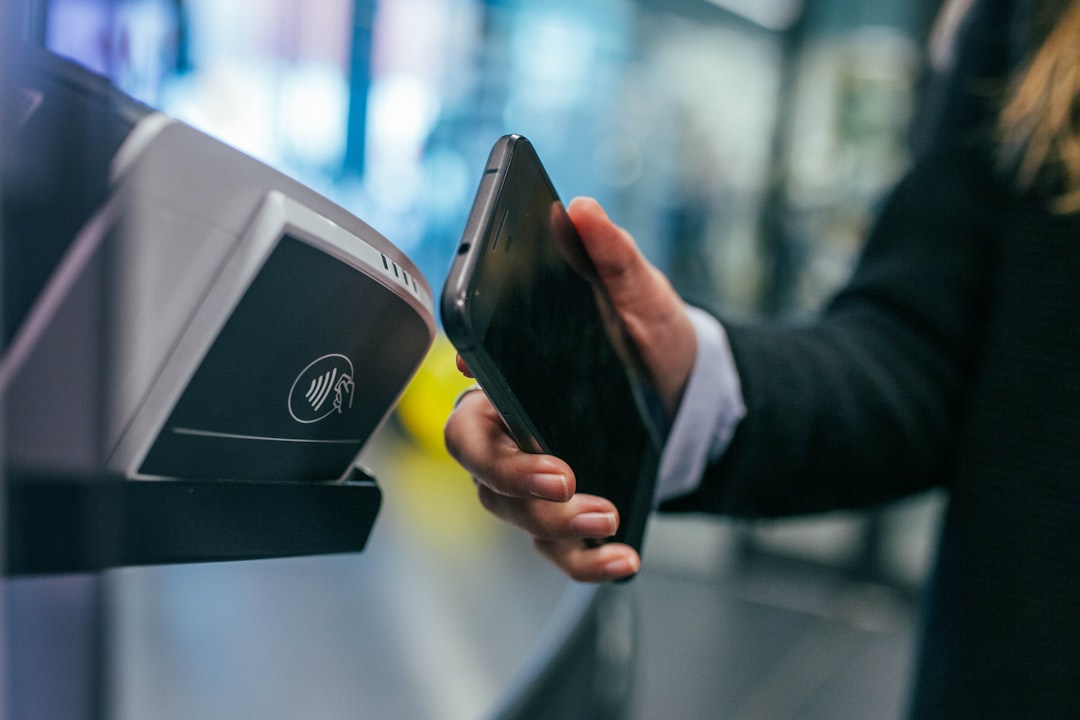
Finance Minister Tengku Datuk Seri Zafrul Abdul Aziz did not present the cashless mandate as a convenience upgrade. He presented it as a corruption countermeasure. Speaking at the Malaysian Institute of Accountants conference on June 10, 2021, Zafrul said the government wants all payments for its services to go cashless by 2022. The reasoning was blunt: digital payments cut direct contact between citizens and officials. That contact, the minister argued, is where graft happens.
The move is part of MyDigital, the national digital economy initiative. But the anti-corruption framing is what sets this apart from routine digitization drives. Zafrul described a system where every payment is tracked and every transaction audited. No cash handovers. No off-book exchanges. The Ministry of Finance expects safer transactions, better strategic intelligence, and easier information exchange across agencies as a result.
Cashless payments as an anti-corruption tool is not a new idea globally, but Malaysia is now committing to it with a hard deadline. The government has already moved to electronic ID cards and biometric identification for citizens. Those systems accelerate direct government support while ensuring integration, accessibility, and transparency, Zafrul said. The cashless mandate extends that logic to financial transactions.
The tax angle is central. Zafrul said the government intends to bring taxes from the black economy into the formal system. Improving tax compliance is a direct goal. When every payment leaves a digital trail, hiding income becomes harder. The black economy, which operates outside official records, is a persistent drain on tax revenue. Cashless payments pull that shadow activity into the light.
Zafrul addressed the accountants directly. “Accountants, who have a huge influence on making informed decisions, also play a important role in advancing digital technology,” he said. He pointed to MIA’s efforts to promote leadership and digital transformation through its business plans. The message was clear: the profession has a role in making this work.
The deadline is tight. 2022 is less than a year and a half from the announcement. Shifting all government service payments to cashless in that timeframe requires infrastructure, public education, and system integration across multiple agencies. The minister did not detail the rollout plan in his remarks, but the ambition is unmistakable.
This is not merely about replacing cash with cards or apps. It is about restructuring how citizens interact with the state. Direct contact between citizens and officials has been a friction point ripe for abuse. Zafrul framed the elimination of that contact as a feature, not a bug. Digital payments remove the handshake, the envelope, the off-the-record transaction.
The government can now track every payment and audit every transaction, he said. That is the core promise. Whether the system delivers on that promise depends on implementation. But the direction is set. By 2022, paying the government in Malaysia means paying digitally. No cash. No exceptions.