Manila Rejects Beijing Pressure Over Sunken Vessel
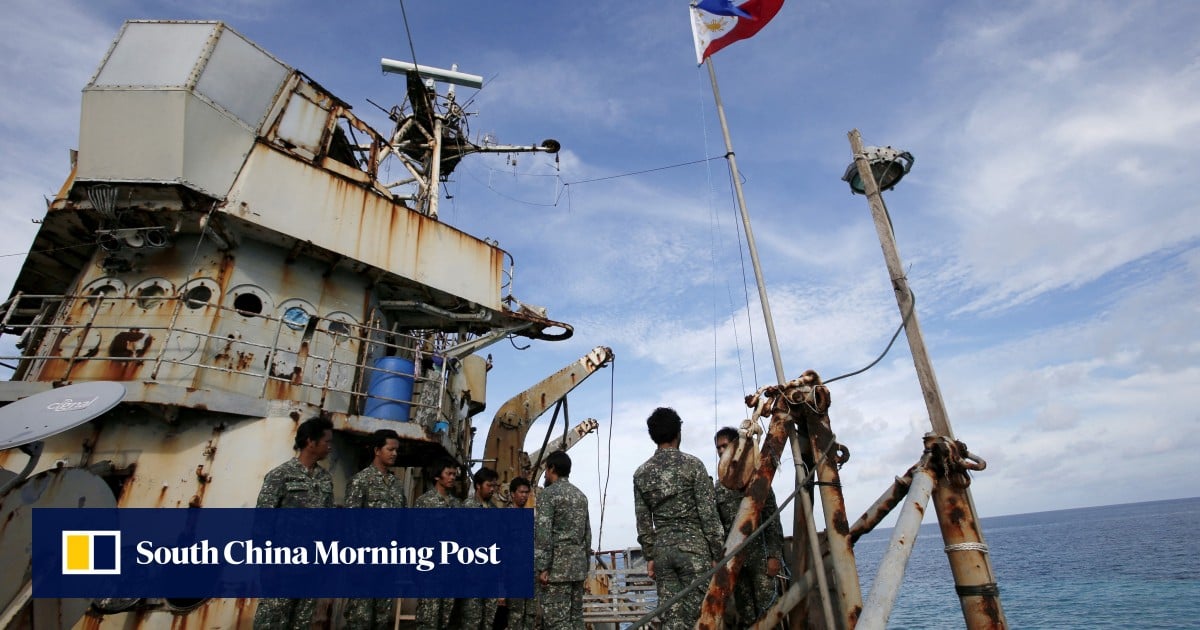
The Philippines government has firmly denied any intention to remove a Chinese warship that remains grounded in its waters, directly contradicting recent assertions made by Chinese officials who claimed the vessel was abandoned and required cleanup. This diplomatic standoff occurred on August 10, 2023, as tensions escalated in the South China Sea following an incident involving a Chinese naval ship running aground near Scarborough Shoal. The core issue revolves around sovereignty disputes and the principle of freedom of navigation under international law. Beijing insists that the sunken vessel poses a threat to maritime safety and demands its removal, framing the situation as a humanitarian necessity. In sharp contrast, Manila maintains that the ship is part of an ongoing incident involving foreign vessels entering Philippine territorial waters without permission. The Philippine military has stated it will continue to monitor the situation closely while upholding its legal rights under the United Nations Convention on the Law of the Sea. This refusal highlights the deepening friction between the two nations and signals a potential long-term stalemate over control of strategic maritime zones in the region.
Beijing Demands Immediate Action
Chinese authorities have issued repeated demands for the Philippines to clear the debris from the sunken warship, arguing that the vessel represents a hazard to commercial shipping and environmental safety. State media outlets in Beijing have portrayed the incident as evidence of Filipino negligence and an attempt to obstruct legitimate Chinese naval operations. Officials in the People’s Republic of China have accused Manila of engaging in provocative behavior by refusing to cooperate with cleanup efforts. The narrative pushed by Beijing suggests that the Philippines is prioritizing political posturing over the safety of its own citizens and international shipping lanes. This rhetoric serves to legitimize further military buildup in the region and justify increased surveillance operations near disputed islands. The Chinese government has also hinted at potential legal actions under international maritime law if the situation does not resolve quickly. Such threats show Beijing’s willingness to escalate diplomatic disputes into broader confrontations involving global institutions.
Manila Upholds Sovereignty Rights
In response to these demands, the Philippines has taken a hardline stance, emphasizing its commitment to international law and territorial integrity. Defense Secretary Gilberto Teodoro Jr. stated during a press briefing that “the sunken vessel remains within our sovereign waters and any attempt to remove it without consent violates Philippine jurisdiction.” The military has deployed additional assets to monitor the area and ensure that no unauthorized foreign vessels enter the zone. This move signals a readiness to confront Chinese pressure through visible demonstration of force and legal preparedness. Manila argues that the incident was caused by the negligence of the Chinese crew, who failed to navigate safely in unfamiliar waters. The Philippine government has also called for an independent investigation into the circumstances surrounding the grounding to determine liability. By refusing to accept Beijing’s version of events, the Philippines aims to prevent a precedent where powerful nations can unilaterally dictate terms in disputed maritime areas.
Regional Implications and International Response
The dispute has drawn attention from international observers who worry about the stability of the South China Sea. Several neighboring countries have expressed concern over the potential for escalation between Beijing and Manila. The United States has reiterated its support for the Philippines’ position, citing the importance of freedom of navigation and rule-based order in the Indo-Pacific. Washington has warned against any actions that could undermine regional peace or destabilize the maritime environment. Despite these assurances, the situation remains delicate, with both sides maintaining a firm posture. Reports note that while verbal exchanges have been heated, direct military conflict is not yet imminent. However, the accumulation of small disputes like this one contributes to an atmosphere of mistrust that could lead to larger confrontations in the future. The involvement of global powers adds another layer of complexity to what began as a localized incident involving two regional neighbors.
Path Forward Remains Unclear
As the standoff continues, the focus remains on how both nations will manage their respective narratives and actions. Beijing is unlikely to back down from its demands without significant concessions or changes in Philippine policy. Conversely, Manila has shown little willingness to compromise on issues of sovereignty. The outcome of this dispute will likely depend on broader geopolitical developments, including shifts in U.S.-China relations and the economic interests of other stakeholders. For now, the grounded warship is a symbol of the growing tensions that define the current era of Sino-Philippine relations. Both sides must navigate these challenges carefully to avoid miscalculation or unintended escalation. The coming months will test the resilience of diplomatic channels and the effectiveness of international mechanisms designed to manage such crises.