
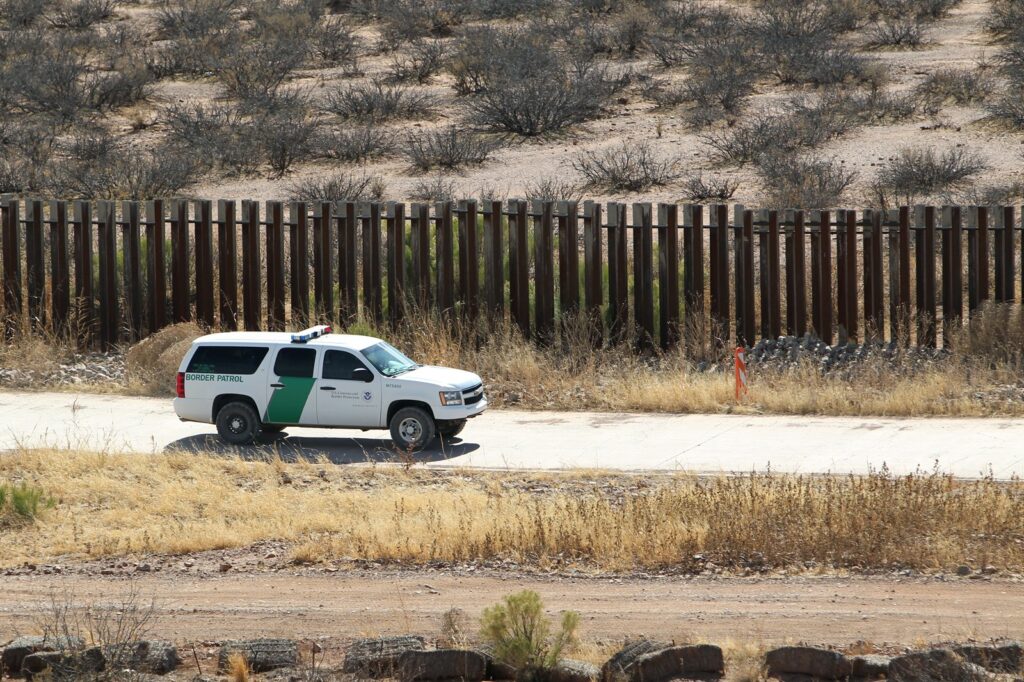
Federal prosecutors in Arizona filed immigration-related criminal charges against 279 individuals during a weeklong enforcement operation targeting illegal entry, unlawful reentry, and human smuggling along the southern border. These filings between October 10 and October 16, 2026, mark a concentrated effort that shifts the focus from visa overstays to the criminalization of entry and reentry.
A Shift in Enforcement Strategy
Between 2007 and 2018, visa overstays accounted for a larger share of the growth in the undocumented immigrant population than illegal border crossings. However, the current strategy under the U.S. Attorney’s Office for the District of Arizona targets individuals accused of illegally entering the country or reentering after removal. During this specific enforcement period, prosecutors filed 136 cases involving individuals accused of illegally reentering the United States after previously being removed.
Alongside those charges, authorities filed 123 cases against individuals accused of illegally entering the country. This approach expands the definition of immigration crimes beyond traditional border violations to include a broader range of unlawful presence issues. Federal authorities also filed 17 cases against 20 individuals accused of smuggling illegal immigrants into and throughout Arizona.
Multi-Agency Task Forces in Action
The cases were referred or supported by several federal law enforcement agencies, including U.S. Immigration and Customs Enforcement (ICE), Homeland Security Investigations (HSI), U.S. Border Patrol, the Drug Enforcement Administration (DEA), the FBI, the U.S. Marshals Service, and the Bureau of Alcohol, Tobacco, Firearms and Explosives (ATF). This coordination creates a mechanism where multi-agency task forces file charges in bulk rather than as isolated incidents.
Among the notable cases highlighted by federal prosecutors were charges filed October 13 against Jesus Manuel Calixtro-Rodriguez and Julio Cesar Ramos-Mendez, who were accused of conspiring to transport illegal immigrants for profit. According to the criminal complaint, Border Patrol surveillance cameras observed Calixtro-Rodriguez driving a Dodge Ram along Federal Route 15 on the Tohono O’odham Nation on October 10.
Authorities reported that he stopped near a location known for human smuggling pickups, where several individuals entered the vehicle. When Border Patrol agents attempted to conduct an immigration inspection, Calixtro-Rodriguez allegedly refused to stop, prompting agents to deploy a tire deflation device. The vehicle’s occupants fled on foot, but agents apprehended Calixtro-Rodriguez and three passengers, including Ramos-Mendez.
Investigators identified Ramos-Mendez as the group’s foot guide and discovered that he had previously been removed from the country without authorization to return. He was additionally charged with illegal reentry. In a separate case, Christopher Paul Lopez was charged on October 9 with transporting an illegal immigrant following an October 8 traffic stop along Interstate 10.
According to federal prosecutors, an Arizona Department of Public Safety trooper discovered Lopez lying in the rear of a Land Rover and subsequently recovered a loaded Glock 19 handgun from a bag inside the vehicle. Following further questioning, authorities suspected that Lopez and the driver were involved in human smuggling. Border Patrol agents later determined that the driver was a Mexican national unlawfully present in the United States.
Economic and Social Context
Research shows that illegal immigration increases the size of the US economy, contributes to economic growth, enhances the welfare of natives, contributes more in tax revenue than they collect, reduces American firms’ incentives to offshore jobs and import foreign-produced goods, and benefits consumers by reducing the prices of goods and services. This context exists alongside the aggressive prosecutorial strategies currently being employed.
Most scientific studies have shown that undocumented immigrants commit less crime than natives and legal immigrants. In Texas, for example, undocumented immigrants are arrested for violent and drug crimes at less than half the rate of native-born U.S. citizens, and a quarter the rate of native-born citizens for property crimes. Sanctuary cities—which adopt policies designed to avoid prosecuting people solely for being in the country illegally—have no statistically meaningful impact on crime.
Research suggests that immigration enforcement has no impact on crime rates. Opponents of illegal immigration worry about crime, as well as possible social and economic burdens caused by migration. However, studies and FBI data have consistently found that undocumented immigrants are less likely to commit crimes than native-born citizens in the United States.
Implications for Federal Power
The U.S. Attorney’s Office for the District of Arizona states that these filings represent a concentrated effort rather than isolated incidents. This approach sets a precedent for nationwide mass charging operations, redefining border enforcement capacity and legal boundaries. The surge of 279 federal immigration charges in one week highlights how aggressive prosecutorial strategies are reshaping the landscape of federal law enforcement.
This shift from targeting visa overstays to criminalizing entry and reentry expands the scope of what constitutes an immigration crime. The involvement of multiple agencies including ICE, HSI, DEA, and others suggests a sustained push to utilize existing detention capacity and prosecutorial resources for these specific violations. The legal impact lies in the expansion of enforcement tools available to federal authorities across the nation.
The operational details from Arizona provide a template for future actions by federal prosecutors elsewhere. By focusing on unlawful reentry and smuggling networks, the strategy aims to disrupt organized criminal activity while addressing broader issues of unauthorized presence. The numbers reflect a significant scale of action that could influence how similar cases are handled in other districts.
The scene on the ground involves complex interactions between surveillance technology, traffic stops, and immigration inspections. These events demonstrate the evolving methods used to enforce federal immigration laws within the jurisdiction of Arizona and potentially beyond. The coordination among agencies like the U.S. Marshals Service and ATF adds layers of complexity to these operations.
As the operation concludes, the focus remains on the legal boundaries being tested by such mass charging strategies. The precedent established here may guide future decisions regarding how federal prosecutors approach immigration violations. The data from this weeklong enforcement period offers a clear picture of current priorities within the U.S. Attorney’s Office for the District of Arizona.
Sources
- Federal Prosecutors In Arizona File Immigration Charges Against 279 Individuals In One Week – AZ FREE NEWS
- Illegal immigration to the United States
- Federal Prosecutors In Arizona File Immigration Charges Against 279 Individuals In One Week – AZ FREE NEWS
Photo: CBP Photography (Public domain)




