
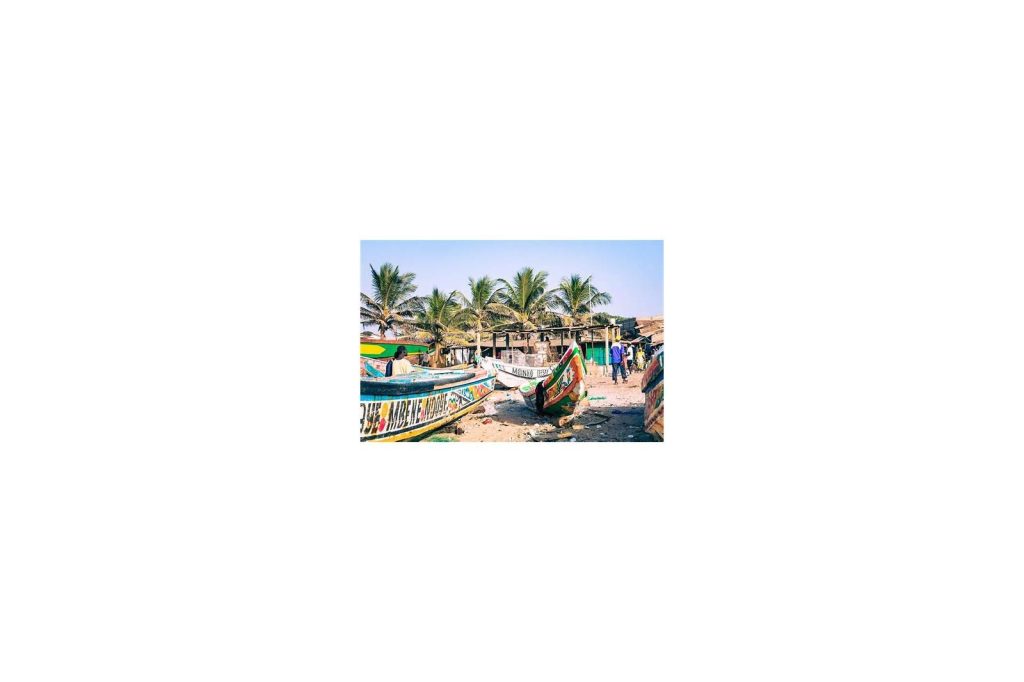
In the North Bank Division of the Gambia, a maritime tragedy unfolded on January 2, 2026, as a boat carrying more than 200 migrants capsized. This incident, which occurred in an area steeped in history and diversity, has left dozens missing and over 100 people rescued. The region, with its capital Kerewan, is one of the five administrative divisions of the Gambia, spanning an area of 2255.5 square kilometers and home to a population of approximately 221,054, as per the 2013 census.
With a population density of 98 inhabitants per square kilometer and 18,458 households, the region offers a glimpse into the lives of its residents and the challenges they face daily. The incident underscores the urgency for enhanced safety measures and emergency response systems in the region.
The large number of migrants on board the ill-fated vessel raises questions about the sufficiency of existing regulations and the effectiveness of their enforcement. As the investigation progresses, it is anticipated that these issues will be scrutinized. The Gambia, with its extensive coastline and strategic location, holds a crucial role in ensuring the safety of maritime traffic and the protection of human life at sea.
The human toll of the disaster is still being assessed, but its impact is undoubtedly substantial, affecting the families and communities of the missing and rescued migrants. The infant mortality rate in the region stands at 81 deaths per thousand births, and the under-five mortality rate is 109 deaths per thousand births.
These statistics underscore the challenges faced by the people of the Gambia and the need for continuous efforts to improve healthcare and social services. The poverty gap ratio in the region, at 33.2 percent as of 2003, reflects the difficulties faced by many households in the area. The maritime disaster has also sparked concerns about the environmental impact of human activities in the region.
The Gambia’s coastline supports a rich marine ecosystem and provides livelihoods for many people. As the country pursues economic development and improved living standards for its citizens, environmental protection must be prioritized.
Investing in renewable energy sources, such as solar and wind power, can help reduce the country’s dependence on fossil fuels, promoting energy security and cost savings. In the wake of the maritime disaster, there is a growing awareness of the need for collective action to protect the environment and promote sustainable development. By working together to address the challenges faced by the region, a cleaner, healthier, and more prosperous future can be created for all.
This incident serves as a reminder of the importance of prioritizing safety, environmental protection, and human well-being, and the need for sustained efforts to promote sustainable development and energy security in the years to come.
Related Stories
UN Confirms 10 Missing After Libya Migrant Boat Capsizes
Libya Migrant Boat Capsizes, 4 Dead, 10 Missing
Migrant Boat Capsize Off Mauritania Kills 89, Dozens Missing #GambiaMigrantBoat #Capsizes #Rescued #DozensMissing #WorldNews #News




