
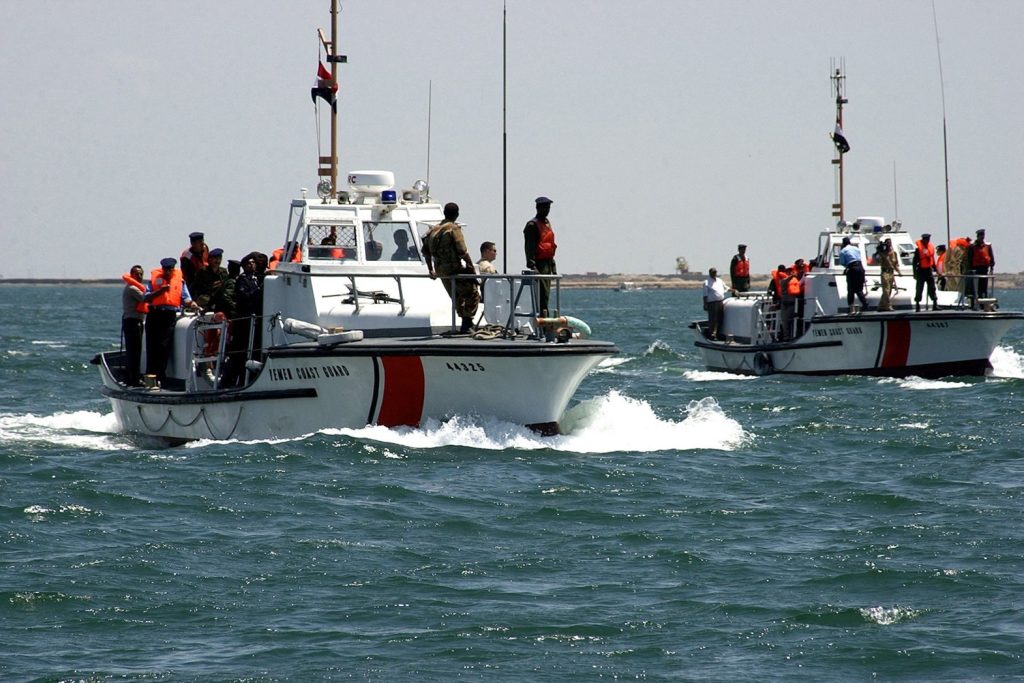
A vessel carrying 154 Ethiopian migrants capsized off the coast of Yemen’s Abyan Governorate on August 3, 2025, resulting in 68 confirmed deaths, 74 individuals missing, and 12 survivors injured. The incident follows a pattern of recurring disasters along a migration route that has claimed hundreds of lives over recent years. Survivors from the wreck are expected to recount a familiar sequence: payment to smugglers, a nighttime departure, an overloaded boat, and a sudden catastrophe at sea.
The vessel, designed for fishing rather than passenger transport, was packed beyond safe capacity. Smugglers prioritize profit over safety, a calculation that has produced repeated tragedies in these waters.
Yemen functions primarily as a transit corridor, not a final destination. Migrants from Ethiopia aim for Gulf states including Saudi Arabia and the United Arab Emirates, where employment exists in construction, domestic work, and low-wage service sectors. The journey across the Gulf of Aden takes hours in waters known for shark populations. With Yemen’s coast guard capacity severely diminished after years of civil war, rescue operations remain extremely limited when vessels encounter engine failure or rough seas.
Ethiopia’s name has been in use since the 4th century, and population movements across the Red Sea and Horn of Africa region date back centuries, including those of the Kunama and Nara peoples. However, contemporary migration differs fundamentally from historical seasonal patterns.
Modern migrants undertake a high-risk, one-way gamble driven by intensifying pressures at home. Root causes in Ethiopia show no signs of improvement. Drought cycles are becoming more severe.
The Tigray war and its aftermath have displaced millions of people. Ethiopia’s government in Addis Ababa has demonstrated limited capacity to generate employment for one of the world’s fastest-growing young populations.
These young people, seeing no future domestically, continue heading toward coastal departure points. International responses remain fragmented. The United Nations migration agency operates some programs, and the European Union funds border control initiatives in North Africa and the Horn of Africa.
However, these efforts focus on intercepting boats rather than establishing safe, legal migration pathways. When legal routes are unavailable, migrants who cannot fly will still attempt the sea journey.
Vessels will remain overloaded. Deaths will continue. Sixty-eight bodies recovered.
Seventy-four individuals unaccounted for. Twelve injured survivors.
These figures represent the arithmetic of a system that produces predictable, repeated tragedies. The numbers will rise again—they always have.




