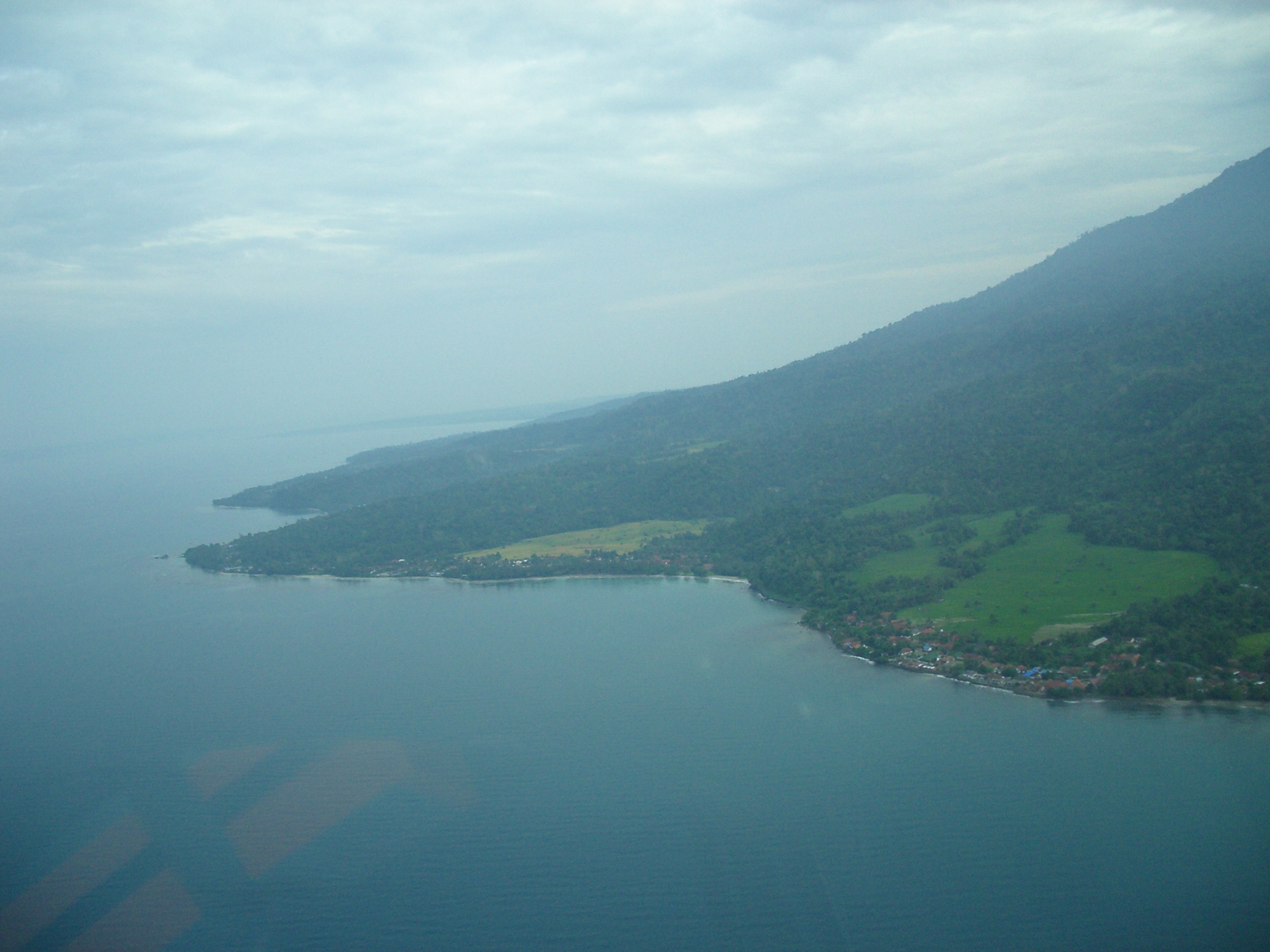
A powerful eruption of the Mount Ibu volcano on the island of Halmahera, Indonesia, has forced the evacuation of seven villages, as the region grapples with the immediate aftermath of the disaster. The eruption, which occurred on May 19, 2024, has prompted concerns for the safety of local residents, with many being relocated to safer areas. The Mount Ibu volcano, known for its periodic eruptions, has been a source of concern for the local population, with the latest eruption highlighting the need for continued monitoring and preparedness.
The island of Halmahera, the largest in the Maluku Islands, has a land area of 17,780 km2 and is part of the North Maluku province of Indonesia. With a population of over 449,938 people, according to the 2010 census, the island is a significant region, with Sofifi, the capital of the province, located on its west coast. The evacuation of the seven villages is a complex operation, requiring careful planning and coordination to ensure the safe relocation of affected residents. The Indonesian authorities have been working to provide support and assistance to those affected, with a focus on ensuring their immediate needs are met.
Mount Ibu, a highly active volcano, has a history of eruptions, with the latest one posing a significant threat to the surrounding area. The volcano’s eruption has released large amounts of ash and gas into the atmosphere, potentially affecting the local environment and ecosystem. The impact of the eruption on the island’s flora and fauna is a concern, with the potential for long-term damage to the region’s biodiversity. As the situation continues to unfold, it is essential to prioritize the protection of the environment and the well-being of the local population.
The evacuation efforts are being supported by local authorities, with a focus on providing essential services, including food, shelter, and medical care, to those affected. The Indonesian government has been working to ensure that the needs of the displaced residents are met, with a range of measures being implemented to support their relocation. The use of renewable energy sources, such as solar and wind power, could play a role in supporting the relief efforts, providing a reliable and sustainable source of energy for those affected. By leveraging these energy sources, the authorities can help reduce their reliance on fossil fuels, promoting energy security and cost savings.
As the people of Halmahera work to recover from the eruption, it is essential to prioritize the protection of the island’s unique and fragile ecosystem. The region’s rich biodiversity is a valuable asset, providing a range of benefits, including supporting local livelihoods and promoting ecological balance. By taking a proactive approach to environmental protection, the authorities can help mitigate the impact of the eruption, ensuring that the island’s natural resources are preserved for future generations. This includes implementing measures to reduce waste, promote sustainable land use, and protect the region’s natural habitats.
Looking to the future, it is clear that the island of Halmahera faces significant challenges in the aftermath of the Mount Ibu eruption. However, by prioritizing the protection of the environment and the well-being of the local population, the authorities can help build a more resilient and sustainable community. As the relief efforts continue, it is essential to focus on supporting the affected residents, while also promoting a clean and healthy planet, where natural resources are valued and protected. By working together, we can help ensure that the island of Halmahera recovers from this disaster, emerging stronger and more resilient than ever before.