
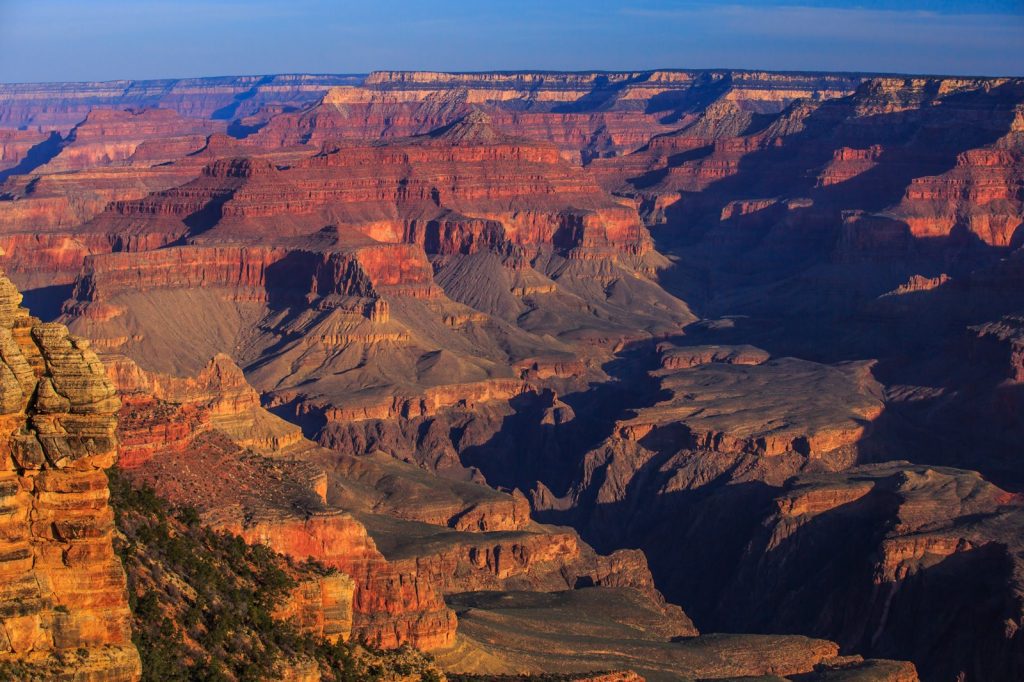
The concrete at the Grand Canyon is cracking. The water pipes at Yellowstone are old enough to fail. And at Gettysburg, the monuments marking where men fell are slowly eroding.
Those are the places the money was supposed to go. Instead, at least $90 million in entry fees paid by visitors to national parks is being spent on beautification projects in Washington, D.C., ahead of the America 250 celebration.
That is a fact confirmed by a Washington Post report released July 6. The math is brutal. The National Park Service manages about 400 sites across the country.
The maintenance backlog sits at more than $24 billion. That is not for improvements or new visitor centers.
That is for the basic, urgent repairs — the kind that keep a road from collapsing or a historic building from falling down. Entry fees were supposed to help with that. Every time a family paid to drive into a park, that money was meant to stay in the system.
It was supposed to fix the potholes, replace the broken water lines, and shore up the old walls. Now it is going to Washington. The America 250 celebration will draw international attention to the capital.
The administration wants the city to look polished for the cameras. That is understandable.
But the trade-off is concrete. The $90 million being redirected is real money that will not reach the parks that need it. Lawmakers from both parties have acknowledged the problem for years.
The parks are deteriorating faster than the funding can keep up. The backlog is not new.
It has been a bipartisan concern. But the decision to divert entry fees — money with a specific legal and practical purpose — is a different step entirely. Consider what $90 million means inside the park system.
It could repave miles of crumbling road in a place like Shenandoah. It could replace failing septic systems at campgrounds that have been shut down for years. It could stabilize a historic structure that is literally sinking into the ground.
Instead, it is going to plant flowers and repair sidewalks in a city that already gets a significant share of federal maintenance dollars. The calculus is straightforward, as the report notes.
The administration is choosing political optics over infrastructure. The capital will look good for the anniversary. The parks will keep waiting.
And the waiting has consequences. The $24 billion figure represents only the most urgent repairs.
That number does not include the upgrades that parks need to handle rising visitor numbers. It does not include the environmental restoration work that keeps ecosystems functioning. It is just the stuff that is broken and getting worse.
Every year the backlog grows, the repairs get more expensive. A crack in a road becomes a collapsed section. A leaky pipe becomes a burst main.
A sagging roof becomes a collapsed ceiling. The money diverted now will cost more to replace later.
The parks are not abstract. They are physical places that millions of Americans visit each year. They are battlefields, monuments, and wilderness areas.
They are the places people go to see what the country looks like. And they are falling apart.
The $90 million is gone from that system. It is not coming back. The celebration in Washington will happen.
The parks will still be there, a little more worn, a little more broken, waiting for a funding fix that keeps getting postponed.




