
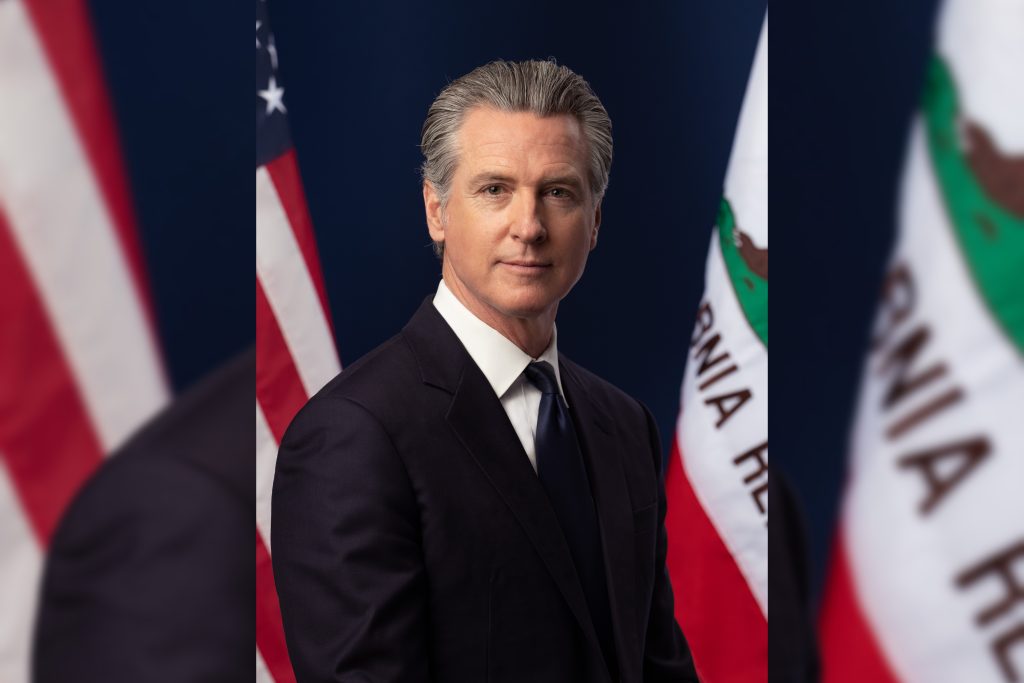
Gavin Newsom wants to tax billionaires. Just not his own. The California governor posted a Substack pitch Friday for a federal “true minimum tax on billionaires.” The idea is old — Warren Buffett’s “Buffett Rule” — but Newsom gave it a new frame.
He called it an “economic reset for America.” The rich would pay at least the same rate as their employees. He also wants Congress to roll back Trump-era corporate tax cuts, tighten inheritance rules, and kill the “tax-free lifestyle loan” trick, where billionaires borrow against assets to dodge taxes.
Then there is the “national public equity fund.” Newsom says every American should own a stake in the future AI is building. That is the pitch. But the real story is what he won’t do.
California has a ballot measure that would slap a one-time 5% wealth tax on billionaires. Newsom opposes it.
He wrote that wealth “shops for the state with the lowest taxes” and that such fights should not happen “state by state.” The Guardian quoted him arguing the measure would send money and residents fleeing. It would not fund core programs, he said. So here is the split.
Newsom wants a federal tax on billionaires. He does not want a state tax on billionaires. The difference matters.
The stakes are concrete. California has more billionaires than any other state.
A 5% wealth tax would raise real money — billions — for schools, housing, health care. But Newsom sees risk. He is a governor of a high-tax state that already loses residents to Texas and Nevada.
A wealth tax could accelerate that. Wealth is movable.
He said so himself. But the federal version? That is safe.
If the whole country taxes billionaires, no one can flee to a lower-tax state. The playing field is flat. Billionaires can move to Monaco, but they cannot move to Florida and escape the tax.
That is the logic. Newsom is positioning himself for something bigger.
He is a Democrat with national ambitions. He wants to lead a progressive economic reset. But he is wary of the blowback from going it alone in California.
The ballot measure is a test. He flinched.
What is at risk is credibility. Populist energy around taxing the ultrawealthy is real. Polls show broad support.
Newsom is trying to harness that energy without taking the hit at home. He wants the moral high ground of taxing billionaires without the practical cost of driving them out of his state. It is a careful balancing act.
Too careful, critics will say. If you believe billionaires should pay more, why not start now, in your own state?
Why wait for Congress, which is gridlocked and may never act? Newsom’s answer is that wealth is mobile and state-by-state battles are the wrong arena. That is a strategic argument, not a moral one.
It is the argument of a politician who wants to lead nationally but cannot afford to lose his base at home. California’s budget is strained.
The state has a massive deficit. Homelessness, fires, housing costs — all demand money. A wealth tax could help.
But Newsom is betting that federal action is the only viable path. It is a bet that may not pay off. Congress has shown little appetite for taxing billionaires.
The political will is weak. Meanwhile, the ballot measure lives.
Voters may decide for themselves. If it passes, Newsom will have to enforce a tax he publicly opposed. That is a strange position for a governor who says he wants an economic reset.
The bottom line is this: Newsom wants to tax billionaires, but not at his own address. The question is whether that is pragmatism or a dodge.
The answer will shape his national future.




