
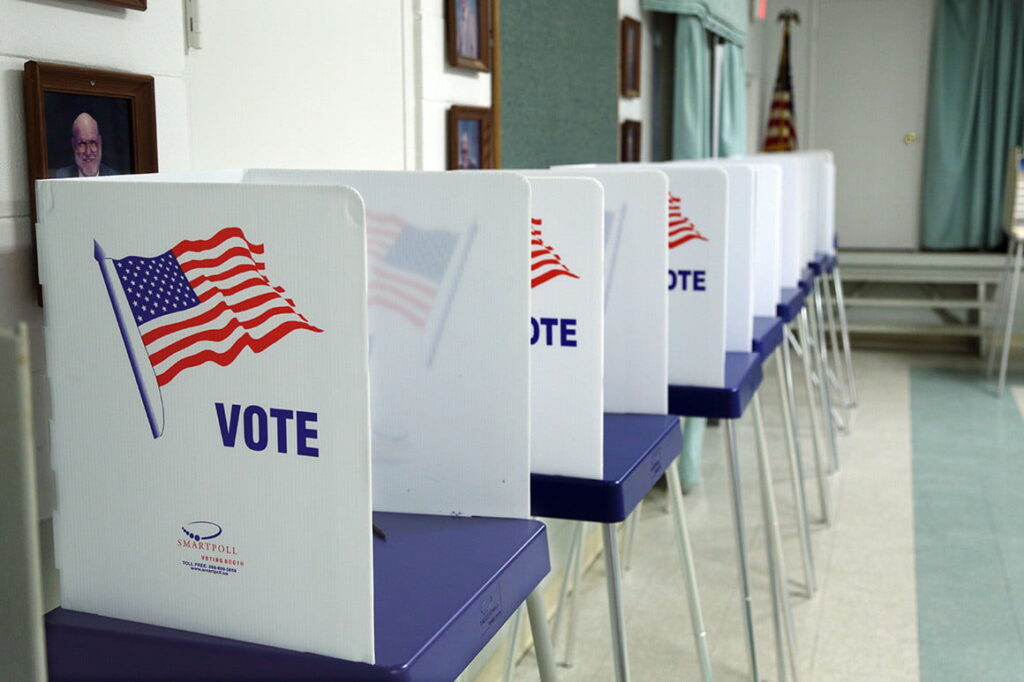
WASHINGTON, July 16 — The security of American voting machines remains a persistent point of contention in national elections, but a careful examination of the available evidence reveals a consistent picture: while theoretical vulnerabilities exist, no proof has emerged that any machine was successfully hacked to alter a real-world vote count. The architecture protecting U.S. election infrastructure is built on what security experts call defense in depth. Voting machines in nearly all jurisdictions are not connected to the internet, a fundamental barrier that prevents remote hacking. They are physically secured and monitored during elections.
Most critically, virtually every jurisdiction now maintains a voter-verified paper ballot for each vote cast, creating a durable record that can be hand-audited after the polls close. This layered system of paper records, rigorous post-election audits, and strict chain-of-custody controls is designed specifically so that any error or interference would be detected and corrected.
Three Cycles Without Evidence of Compromise
The federal Cybersecurity and Infrastructure Security Agency, known as CISA, has conducted reviews of three consecutive election cycles — 2020, 2022, and 2024. In each instance, the agency found no evidence of malicious activity that altered the integrity of the election results. This three-cycle clean slate comes from the very agency charged with protecting the nation’s election infrastructure, lending weight to its conclusions.
Independent security researchers have indeed identified genuine technical vulnerabilities in certain voting machine models, but these discoveries have occurred under controlled laboratory conditions. The crucial distinction that election officials and security experts emphasize is the difference between a demonstrated vulnerability in a test setting and evidence that any vulnerability was exploited to change a real election result.
No such exploitation has been documented in any U.S. election. The gap between “can be hacked in a lab” and “was hacked in a real election” is vast, and no evidence has closed that gap. An accurate account of voting machine security must present both the legitimate concerns raised by security researchers and the equally documented absence of evidence that machines were hacked or votes changed in any actual election.
Paper Trails Confirm Electronic Counts
The paper ballot system, which security researchers themselves advocate for, has performed exactly as designed in real-world tests. In Wisconsin, a hand count of roughly 327,000 ballots — about ten percent of the total vote cast — reported no machine errors and no proof of tampering. The paper trail confirmed the electronic count, demonstrating that the safeguard works when put to the test.
Voting machines differ in usability, security, cost, speed, accuracy, and the ability of the public to oversee elections. Some machines may be more or less accessible to voters with disabilities.
The machines themselves are distinct from tabulating machines, which count votes cast on paper ballots. Historically, voting machines were mechanical devices, but electronic voting machines have become increasingly common. The first major proposal for a voting machine came from the Chartists in the United Kingdom in 1838, who called for universal suffrage and voting by secret ballot. Their design, attributed to Benjamin Jolly, allowed each voter to cast one vote by dropping a brass ball into a hole by a candidate’s name.
The ball advanced a clockwork counter as it passed through the machine. Henry Spratt of Kent received a U.S. patent for a button-based voting machine in 1875.
What the Record Shows Going Forward
As the next election cycle approaches, the debate over voting machine security will intensify. The evidence, however, remains consistent across multiple cycles and multiple investigations. The machines are offline, physically monitored, and backed by paper records. CISA has found no evidence of malicious activity affecting election integrity across three federal election cycles.
The vulnerability-versus-exploitation distinction holds. And in Wisconsin, a hand count of roughly 327,000 ballots found no machine errors or proof of tampering.
By nightfall on any election day, the real test begins — not in the machines themselves, but in the audits that follow. The paper trail, the very safeguard that security researchers advocate for, performs exactly as designed: it confirms the electronic count or catches discrepancies if they exist. The evidence to date shows the system working as intended.
Sources
{“@context”: “https://schema.org”, “@type”: “NewsArticle”, “headline”: “No proof found of hacked voting machines altering votes”, “description”: “WASHINGTON, July 16 — The security of American voting machines remains a persistent point of contention in national elections, but a careful examination of the…”, “datePublished”: “2026-07-16T09:30:00+00:00”, “author”: {“@type”: “Person”, “name”: “Isabella Moore”}, “publisher”: {“@type”: “Organization”, “name”: “InfoPulse Today”, “url”: “https://newsfeed.infopulsetoday.com/”}, “citation”: [{“@type”: “CreativeWork”, “url”: “https://en.wikipedia.org/wiki/Voting_machine”}, {“@type”: “CreativeWork”, “url”: “https://www.cbsnews.com/news/fact-checking-trump-speech-on-election-security/”}]}




