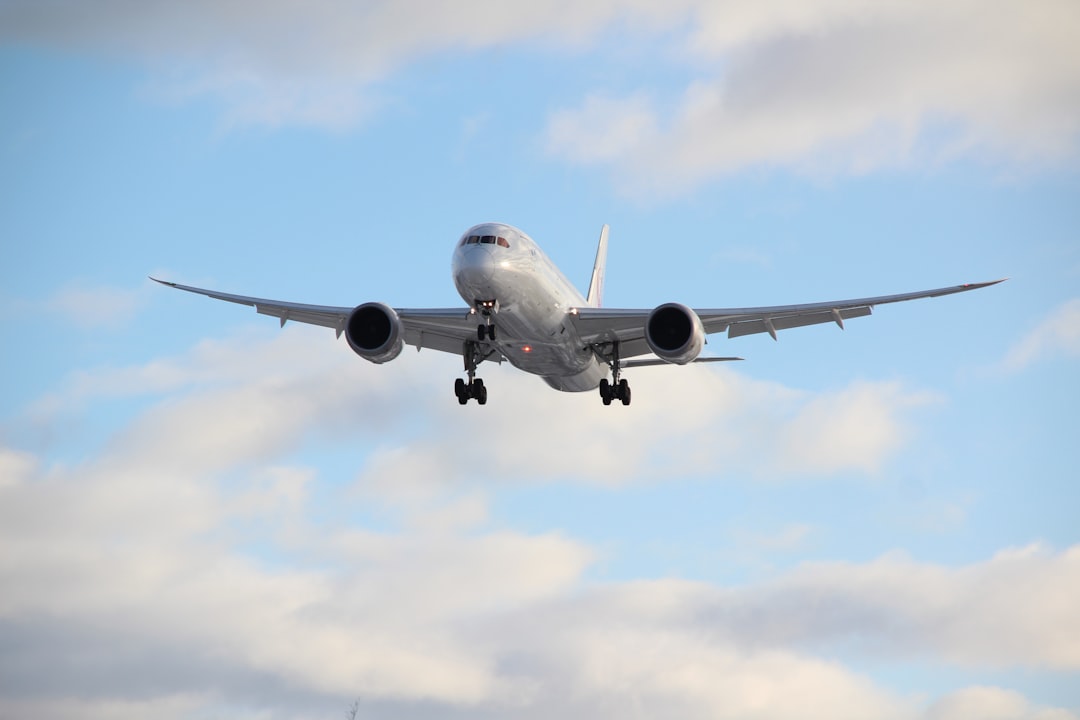
One Bad Line of Code, Thousands of Stranded Passengers
The global ground stop ordered by American Airlines, Delta, and United on July 19, 2024, did not happen because a plane broke. It happened because a computer broke. And in that distinction lies the real story of modern air travel.
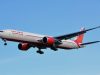
American Airlines alone operates nearly 6,800 flights a day. That is a staggering number. Each one of those flights depends on a chain of digital systems: scheduling software, crew assignment tools, gate management platforms, maintenance logs, air traffic control interfaces, and customer check-in networks. When one of those systems goes down, the chain snaps. The ground stop was the result.
The airline has ten hubs. Dallas Fort Worth International Airport is the biggest. Those hubs are not just buildings; they are massive sorting machines for people and planes. A computer outage at a single hub can ripple across the entire network. A ground stop at all three major carriers — American, Delta, and United — means the ripple became a wave.
What happened on July 19 was not a weather event. It was not a security threat. It was a technology failure. The report makes clear that American Airlines, as the world’s largest airline by passengers carried and daily flights, grounded many of its flights. The decision was described as “unprecedented.” That word matters. Airlines do not order global ground stops lightly. Each minute a plane sits on the tarmac costs money. Each canceled flight triggers a cascade of rebookings, refunds, and angry customers. The fact that American, Delta, and United all took this step simultaneously tells you how bad the outage was.
American Eagle, the network of regional subsidiaries and contractors operating under the brand, was also affected. That means smaller cities and rural airports felt the pain too. The outage was not confined to big hubs and international routes. It touched every corner of the system.
The airlines have spent heavily on technology. American Airlines, a founding member of the Oneworld alliance, has built a complex digital infrastructure to manage its 350 destinations across 48 countries. That investment made the airline efficient. It also made it vulnerable. A single software bug, a corrupted database, or a failed server can now paralyze operations in a way that mechanical failures rarely could.
The report points to a “critical reliance” on these systems. That is an understatement. The entire global air travel industry now runs on a foundation of code. When that code breaks, the industry stops. The ground stop on July 19 was a demonstration of that fragility.
What comes next is not clear from the report. But the pattern is predictable. Airlines will review their backup systems. They will test failover protocols. They will invest in redundancy. But no amount of redundancy can eliminate the risk entirely. Complex systems fail in complex ways. The ground stop was a warning shot.
For passengers, the lesson is blunt: your flight depends on a server room somewhere. When that room goes dark, so does the departure board. The computer outages that grounded American, Delta, and United were not a glitch. They were a fracture in the technological foundation of modern aviation. The industry will patch it. But the fracture will happen again.