
Primary Victories Reshape New York’s Congressional Delegation
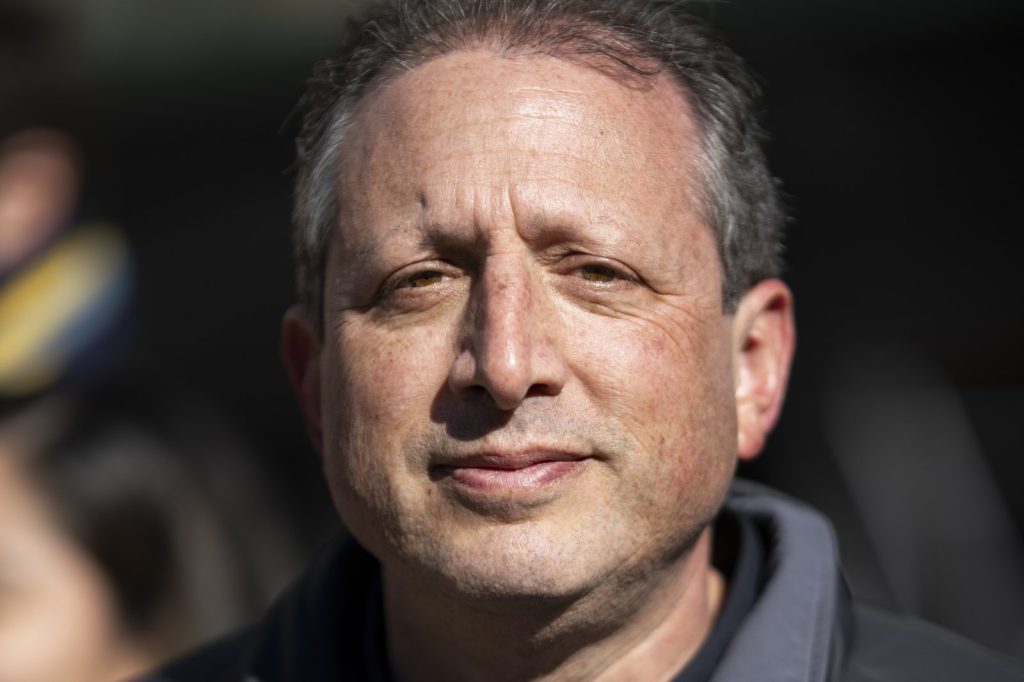
In the most consequential races, two incumbents lost their seats. New York City Comptroller Brad Lander, endorsed by Mamdani, defeated Representative Adriano Espaillat, a 79-year-old Democrat who had served five terms in the House and held the leadership of the Congressional Hispanic Caucus. Community activist Darializa Avila Chevalier, also backed by Mamdani, unseated Representative Dan Goldman, who built his national reputation as the lead lawyer in President Trump’s first impeachment trial and had the financial backing of Aipac, the prominent pro-Israel lobbying group. In the third race, state assemblywoman Claire Valdez beat an opponent who had the backing of much of New York City’s Democratic establishment, completing what observers described as a clean sweep.
The scale of the victories was notable. Two sitting congressmen fell to challengers, and a third establishment-backed candidate lost. For incumbents who may have considered Mamdani’s mayoral win a one-off, Tuesday’s results offered a stark correction. The mayor’s electoral base, which draws heavily from left-wing grassroots organizations and younger voters, demonstrated that it could recruit candidates, marshal resources, and deliver votes in a city where the Democratic establishment has historically controlled the levers of power. Strategically, the calculus was clear: Mamdani’s coalition is now pulling the Democratic Party leftward by translating grassroots energy into primary victories.
Mamdani’s Coalition Signals a Deeper Realignment
The broader stakes extend well beyond New York. The defeats of Espaillat and Goldman, two figures with significant institutional power and national profiles, are expected to send shockwaves through Democratic caucuses in Washington. Espaillat, as head of the Congressional Hispanic Caucus, represented a key pillar of the party’s traditional coalition. Goldman, with his deep-pocketed backers and high-profile legal pedigree, embodied the centrist, establishment wing that has long held sway in New York’s congressional delegation. Mamdani’s growing clout now poses a direct challenge to that order. The mayor has demonstrated that his political operation can deliver primary upsets, and what matters for the national party is that the coalition he has built is proving durable, not a one-time fluke.
The ripple effects in Congress are likely to be significant. With two sitting members defeated and a third establishment-backed candidate losing, the Democratic caucus will now absorb a bloc of lawmakers who owe their seats to Mamdani’s endorsement. That changes the internal dynamics of the party, particularly on issues where Mamdani has staked out progressive positions. The mayor’s coalition is no longer a curiosity — it is a force that the national party must reckon with. By ousting two sitting congressmen including the leader of the Congressional Hispanic Caucus and a lawyer famous for prosecuting an impeachment trial, Mamdani’s endorsed slate has demonstrated an ability to challenge institutional power and well-funded opponents. That suggests a deeper realignment in urban Democratic politics.
Zohran Mamdani, born in 1991, is the 112th Mayor of New York City and the son of Mahmood Mamdani, a noted Ugandan academic. The family’




