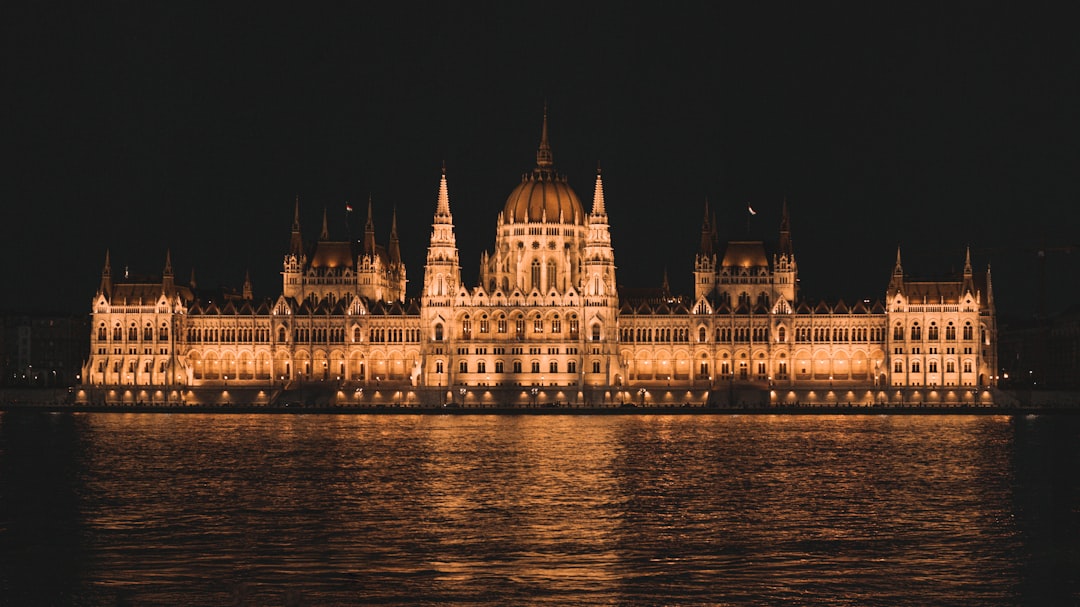
The integrity of the European Parliament has been dealt a heavy blow. Accusations that members and officials accepted gifts and money from Qatar in exchange for influence have triggered a crisis of confidence. The scandal, widely referred to as Qatargate, first broke in December 2022. It has since spread far beyond Brussels.
At its core is a simple, corrosive allegation: that a foreign state sought to buy favorable treatment within the European Union’s primary legislative body. If proven, it would represent a systemic failure of the Parliament’s internal safeguards. The reputation of the institution, built on the idea of transparent democratic process, is now directly at risk. Trust, once lost in these matters, is not easily regained.
The fallout is not confined to Europe. In Israel, a separate but similarly styled controversy, the Qatari connection affair, has raised parallel questions. There, the allegations involve improper connections and influence between Qatari officials and Israeli politicians. The details are distinct, but the pattern is familiar: a powerful Gulf state accused of leveraging its wealth to shape political outcomes. The sensitivity of international relations, particularly in a region as volatile as the Middle East, means these accusations carry serious weight.
Across the Atlantic, another strand of the story has emerged. The Qatari jet “gift” scandal involves allegations that former U.S. President Donald Trump accepted a luxury aircraft from Qatar. The transaction, if it occurred as alleged, raises blunt questions about ethics and transparency. Public officials accepting high-value gifts from foreign governments is a red line in most democracies. This controversy underscores the need for clear, enforceable rules on such matters.
What is genuinely at stake here is not just the fate of a few politicians. It is the broader principle that democratic institutions cannot be for sale. Each of these three scandals—the European Parliament case, the Israeli affair, and the Trump jet controversy—points to the same vulnerability. Wealthy foreign actors, it appears, have identified influence-peddling as a viable tool of statecraft. The targets are different, but the method is consistent: money, gifts, and access in exchange for policy outcomes.
The European Parliament scandal is arguably the most damaging, because it strikes at the heart of a supranational body that claims to represent over 400 million citizens. If members can be bought, what does that say about the laws they pass? The investigation is ongoing. The full scope of the alleged corruption is still emerging. But the damage to the Parliament’s credibility is already done.
For Israel, the Qatari connection affair threatens to destabilize an already fragile political landscape. The suggestion that politicians may have been compromised by a state that also funds Hamas in Gaza is explosive. It layers a national security dimension onto a corruption inquiry.
And for the United States, the jet gift allegations feed a long-running debate about the ethical standards of its highest office. The question is blunt: did a former president accept a private plane from a foreign government, and if so, what was expected in return?
These are not abstract questions. They touch on the basic contract between a government and its people. That contract requires that decisions be made in the public interest, not the private interest of a foreign patron. Qatargate, in all its forms, is a test of whether that contract still holds.