
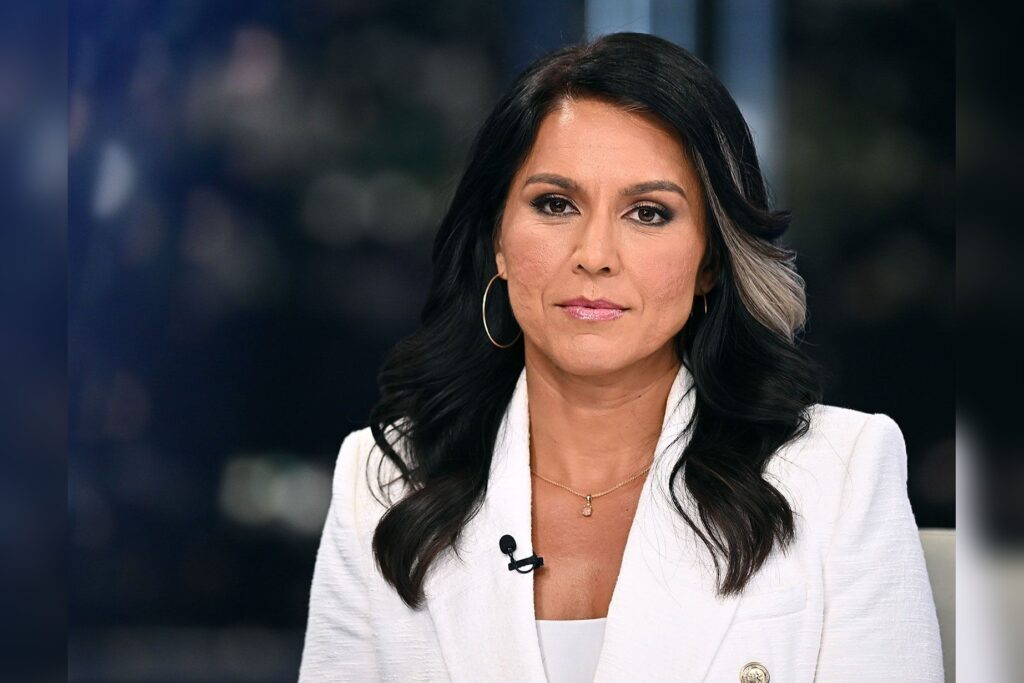
The verified development came in early May: Director of National Intelligence Tulsi Gabbard referred evidence to the Intelligence Community’s inspector general, Christopher Fox, concerning allegations that US spy agencies concealed election vulnerabilities during the 2020 cycle. According to unclassified memos described by Just The News, the file includes whistle-blower claims that an agency officer at the CIA was pressed to alter evidence of Chinese meddling, and that Congress and President Donald Trump alike were deliberately left unaware of concerns touching on China and Venezuela.
The record shows the evidence surfaced last year inside a review run by Gabbard’s now-disbanded Director’s Initiative Group. Much of the underlying evidence remains classified, and the referral to Fox could eventually open a path to declassification.
The Scale Alleged
The National Intelligence Council had concluded back in 2020 that China hacked into several state voter registration databases or otherwise reached them, a finding hidden at the time from the public, from state election officials and from Congress. The newer memos go further, citing evidence that Beijing may have reached voter rolls in 12 to 18 states in 2020 alone. They also recount suppressed warnings from Christopher Porter, the former national intelligence officer for cyber; Fox, the current watchdog, is reported to be reviewing Porter’s complaints anew, including claims of retaliation during the Biden years.
According to the documents, the ODNI holds allegations from one or more officers that China’s interference was played down or dropped from finished assessments, kept out of the President’s Daily Brief, or hidden from congressional overseers — actions the memos tie to an alleged effort to undercut Trump’s reelection campaign and resist his China policies. One email in the government’s possession reportedly describes a plan to “massage” a presidential briefing document so it would dodge election-influence concerns despite raw reporting on the subject. Others point to an alleged push to have a CIA analyst change a federal record of a meeting where officials purportedly signaled that evidence on China was being held back.
The Warning That Stayed Secret
Months before the vote, the National Intelligence Council issued a classified but stark warning. “We judge that U.S. adversaries, including, at a minimum, Russia, China, Iran, and North Korea, as well as non-state groups, have the capability to compromise US election infrastructure for the 2020 presidential election,” the council wrote in a memo dated Jan. 15, 2020. Trump received a White House briefing from them in February 2020, but the public never heard the full assessment; Gabbard declassified it shortly before the May report. A March 2021 agency assessment, by contrast, was unanimous that Russia worked against Joe Biden and Iran against Trump, yet split on China, with a minority arguing Beijing did intervene.
The 2021 Paper Trail
Earlier disclosures in January 2021 frame the current dispute. Then-DNI John Ratcliffe, now Trump’s CIA director, wrote that he did not believe the majority analytic view reflected the scope of Chinese efforts, and that “similar actions by Russia and China are assessed and communicated to policymakers differently, potentially leading to the false impression that Russia sought to influence the election, but China did not.” Analytic ombudsman Barry Zulauf reported to the Senate that China analysts seemed reluctant to bring work forward, “saying in effect, I don’t want our intelligence used to support those policies,” and that some resisted having their intelligence used by “that vulgarian in the Oval Office” to pursue policies they disliked. An October 2020 alternative-analysis memo by two national intelligence officers, Zulauf noted, met with considerable organizational counter pressure.
Officials confirmed the referral itself is a request for independent review, not a finding of wrongdoing. What hangs on it is access: whether the evidence the memos describe finally reaches the public record.
Sources
- DNI Gabbard spurs probe into evidence Congress, Trump were misled on election security, memos show | Just The News
- Gabbard Investigation Examines Claims Intelligence Agencies Concealed 2020 Election Threat Evidence – Badlands Media




