For patients with multiple myeloma who have run out of options, August 15, 2023, changed the calculus. That day, regulators in the United States and the European Union approved Talquetamab, a drug built on a new principle. It does not just poison cancer cells. It forces the body’s own T cells to do the killing.
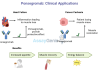
The drug, sold as Talvey by Janssen Pharmaceuticals, is what scientists call a bispecific T-cell engager. It grabs two targets at once: CD3, a protein found on T cells, and GPRC5D, a tumor-associated antigen found on myeloma cells. By latching onto both, it yanks the immune system’s soldiers within striking distance of the cancer. The result is a cytotoxic T-lymphocyte response — a direct, biological assault on the malignant plasma cells crowding the bone marrow.
For multiple myeloma patients, this matters. The disease is a blood cancer marked by the unchecked growth of plasma cells. It is complex. Patients respond differently to existing treatments. Many relapse. Talquetamab offers a fresh path, one that does not rely on the same exhausted mechanisms.
The approval was not a surprise. Janssen has a track record in this space. But the speed of the dual clearance — same day in the U.S. and the E.U. — signals a consensus among regulators. They saw the data and moved in lockstep. That is rare. It suggests the unmet need is severe and the evidence convincing.
Now comes the real work. Patients need access. Hospitals need protocols for managing side effects. Talquetamab, like all cancer therapies, carries adverse reactions. The report notes its safety profile is a concern, though it does not detail the specific toxicities. Doctors will have to weigh the immune activation against the risks — cytokine release syndrome, neurological events, infections. The drug works by revving up the immune system. That power can overshoot.
The consequences ripple beyond the clinic. Competing drugmakers now know the bar has moved. Bispecific antibodies are no longer a theoretical class. They are approved, real, and in use. Other companies developing similar T-cell engagers will face pressure to accelerate their own trials. Investors will recalibrate. Janssen has seized the early lead in a crowded field.
For patients, the calculus is personal. Multiple myeloma remains incurable. Treatments buy time. Talquetamab buys it in a new way. It is not a cure. But for someone who has cycled through standard therapies, a new mechanism is a new chance. That is what the August 15 approvals delivered.
The broader oncology community is watching how this plays out. Talquetamab targets GPRC5D, a receptor that is highly expressed on myeloma cells but not on many healthy tissues. That specificity is the selling point. If the drug hits its mark without collateral damage, it could set a template for other bispecifics. If the toxicity proves hard to manage, the template will need revision.
Janssen now has to manufacture, distribute, and monitor the drug at scale. That is no small task for a biologic. Hospitals must train staff to administer it and to handle the immune reactions that follow. The infrastructure for bispecific antibodies is still being built.
For now, the milestone stands. A new weapon against a stubborn cancer. A new option for patients who had few. A new standard for what a bispecific antibody can do. The consequences will unfold over months and years. But the starting gun fired on August 15.