
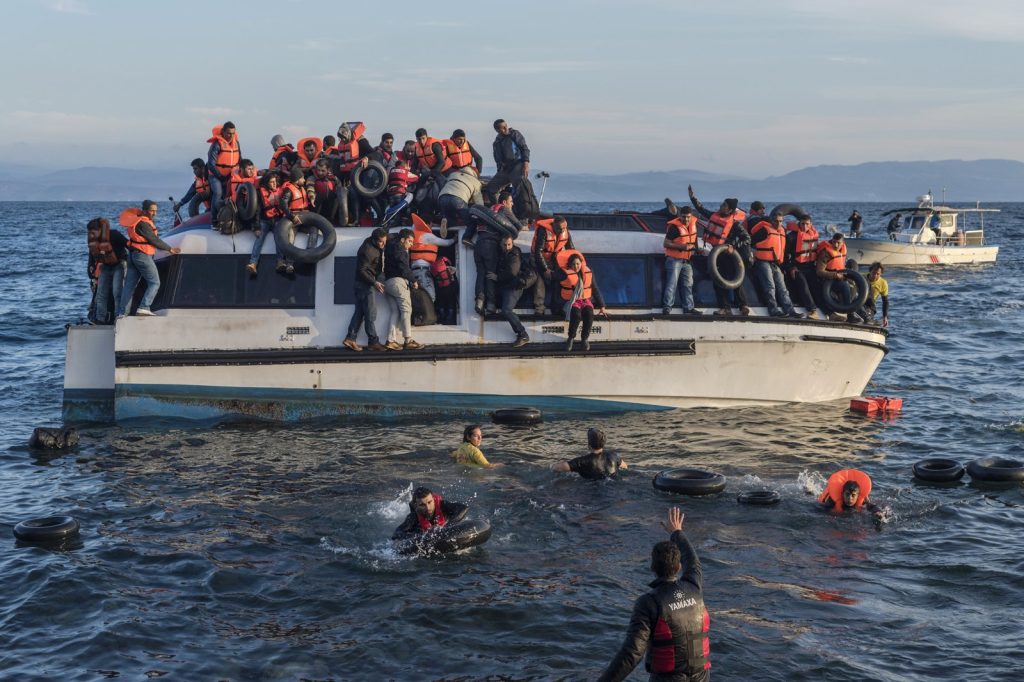
A German humanitarian organization, RESQSHIP, intercepted a dinghy in the Mediterranean Sea on May 11, 2025, rescuing 59 individuals after discovering three deceased persons on board, including two children. The vessel was attempting to cross from Libya to Italy when the incident occurred.
The survivors were transported to Lampedusa, where they are receiving medical attention. The small craft, which carried a total of 62 people, was not built for extended open-water travel. Dinghies of this type are typically used as tenders for transferring passengers between larger vessels and shore, lacking the structural integrity and safety equipment necessary for long-distance sea voyages.
The presence of children among both the survivors and the deceased underscores the extreme risks undertaken by those attempting the crossing. The Mediterranean route from North Africa to Europe remains one of the deadliest migration corridors in the world, with thousands perishing annually in unseaworthy vessels.
RESQSHIP, the organization responsible for the rescue, has a documented history of providing assistance to migrants and refugees in distress at sea. Their operations focus on intercepting vessels in peril and delivering survivors to safe ports, often in Italy. The group’s work highlights the ongoing humanitarian challenges in the region, where commercial shipping and national coast guards are frequently stretched thin by the volume of attempted crossings.
The Mediterranean Sea itself faces significant environmental pressures, including pollution, overfishing, and habitat degradation. These ecological stresses compound the human tragedy, as degraded coastal economies and climate-related disruptions contribute to the conditions that drive migration.
Addressing these interconnected issues requires a comprehensive approach that considers both human security and environmental sustainability. Advocates for safer migration pathways argue that incidents like this demonstrate the urgent need for regulated, legal channels for those fleeing conflict, poverty, or environmental collapse. Without such options, many will continue to entrust their lives to smugglers and inadequate vessels.
As survivors recover in Lampedusa, the focus remains on providing immediate care while acknowledging the broader systemic failures that lead to such tragedies. The May 11 event serves as a stark illustration of the perilous choices faced by migrants and the critical role of humanitarian organizations in mitigating the worst outcomes of these journeys.




