
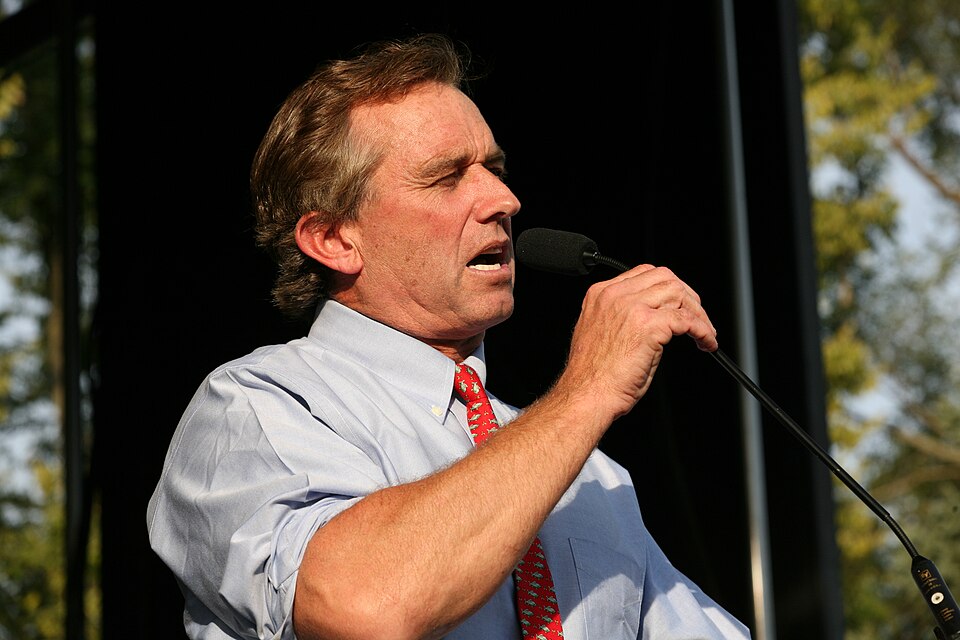
WASHINGTON, D.C. — The “Make America Healthy Again” movement has moved from activist circles into the machinery of government, with Robert F. Kennedy Jr. now serving as Secretary of Health and Human Services under President Donald Trump.
The slogan is a deliberate echo of Trump’s “Make America Great Again,” tying public health to national renewal. Kennedy suspended his own independent presidential campaign before endorsing Trump. That political maneuver gave the MAHA movement a direct line to the White House.
The movement’s core argument is blunt: America is sick. Proponents point to rising rates of chronic illness, and specifically to increasing autism diagnoses. They argue that environmental factors, including vaccines, deserve serious investigation as potential causes. This is not a fringe view within the movement — it is central to Kennedy’s long-standing advocacy.
But the MAHA agenda goes beyond any single issue. It targets what its supporters call corruption in the food and pharmaceutical industries. The charge is that these industries profit from treating symptoms rather than preventing disease.
Kennedy has been a vocal advocate for shifting resources toward finding root causes. His approach emphasizes three pillars: a healthy diet, regular exercise, and reduced exposure to environmental toxins. These are not new ideas. What is new is the political weight behind them.
With Kennedy at HHS, the movement has a platform to push for research funding and policy changes that were previously out of reach. The movement’s momentum comes at a time when many Americans are looking for ways to take control of their health. Chronic illness rates have climbed for decades. The official response has often focused on pharmaceutical interventions. MAHA argues for a different path — one centered on prevention and education.
Critics worry about the movement’s stance on vaccines. But supporters say that asking questions about environmental pollutants and their link to chronic illness is not anti-science. It is, they argue, what science is supposed to do.
One of the key areas of focus is the potential link between environmental pollutants and chronic illness. This is a broad category that includes industrial chemicals, heavy metals, and agricultural runoff. The MAHA movement wants these connections studied with the same urgency given to drug development.
Whether the movement can sustain its momentum depends on its ability to mobilize support from lawmakers, healthcare professionals, and the general public. Kennedy’s background in public health advocacy gives it credibility with some audiences. His position inside the administration gives it access to levers of power.
The MAHA movement is still young. It has a slogan, a leader, and a set of grievances. What it does not yet have is a track record of policy wins. That will determine whether it becomes a lasting force or a footnote in the larger story of American public health.
{“@context”: “https://schema.org”, “@type”: “NewsArticle”, “headline”: “RFK Jr. Brings MAHA Movement to HHS”, “description”: “WASHINGTON, D.C. — The “Make America Healthy Again” movement has moved from activist circles into the machinery of government, with Robert F. Kennedy Jr. now”, “datePublished”: “2024-08-20T09:30:00+00:00”, “dateModified”: “2026-07-01T12:00:00+00:00”, “author”: {“@type”: “Person”, “name”: “Henry Thomas”}, “publisher”: {“@type”: “Organization”, “name”: “TodayInHeadlines”, “url”: “https://todayinheadlines.com/”}, “articleSection”: “”Health News””, “mainEntityOfPage”: {“@type”: “WebPage”, “@id”: “https://todayinheadlines.com/?p=50436”}, “image”: “https://todayinheadlines.com/wp-content/uploads/sites/8/2026/05/guterres-slams-fossil-fuel-rush-amid-ukraine-war-a0.jpg”}




