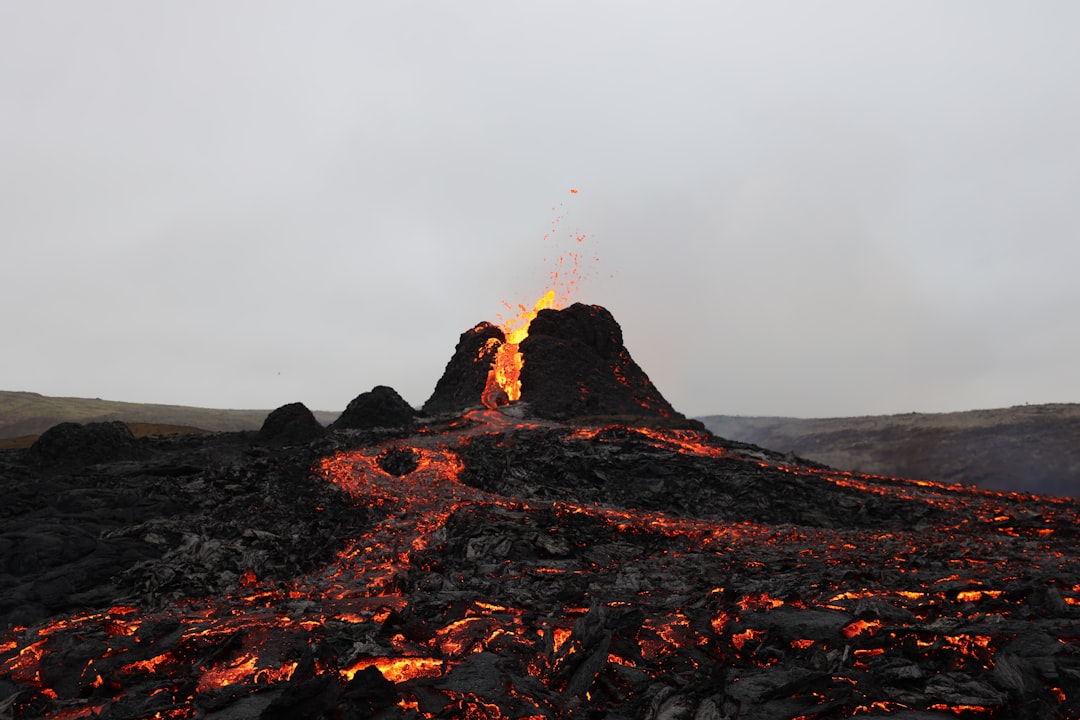
The Ruang volcano in North Sulawesi erupted on April 17, 2024. Hundreds of people are being evacuated. This is not a surprise to volcanologists. Ruang is a stratovolcano in the Sangihe Islands arc. It has a volatile history. The small island it sits on is only 4 by 5 kilometers wide. The summit rises 725 meters. The geography is distinct. A partial lava dome marks the peak. On a clear day, you can see Klabat to the south, Siau to the north, and Ternate to the east. That view is now obscured by ash.
The immediate concern is health. Ash and gas emissions cause respiratory problems. That is why local authorities moved quickly. Hundreds were evacuated. Emergency response teams are on site. They are assessing the damage and supporting the displaced. The Indonesian government is involved. The priority is safety. But the real story here is what this eruption means for the region’s long-term preparedness.
Ruang sits in the Pacific Ring of Fire. This is one of the most tectonically active zones on Earth. The Sangihe arc is a chain of volcanoes formed by the subduction of the Philippine Sea Plate under the Eurasian Plate. Eruptions here are not rare. They are expected. The problem is the island itself. A small, isolated landmass with a volcano at its center. Evacuation is the only option. There is no way to shield a community from a direct blast or pyroclastic flow on an island that size. The geography dictates the response.
The eruption on April 17 is a reminder of the constant tension between human settlement and volcanic activity in Indonesia. The country has more active volcanoes than any other nation. Over 120 of them. Millions live in their shadows. The government maintains a monitoring system. The Center for Volcanology and Geological Hazard Mitigation tracks activity. They issue warnings. But a volcano like Ruang can escalate quickly. A stratovolcano eruption can produce ash plumes that reach the stratosphere. It can disrupt air travel. It can contaminate water supplies. It can trigger lahars — volcanic mudflows — that sweep down slopes and bury everything in their path.
The evacuation of hundreds is a success story in one sense. It shows the system works. People got out. The response was swift. But it also reveals a gap. Evacuation is reactive. It deals with the immediate threat. It does not address the underlying vulnerability. People live on that island because they have no other choice. They fish. They farm. They have roots there. An eruption forces them to leave, but they will return. The volcano will erupt again. The cycle continues.
What comes next depends on the volcano’s behavior. The eruption could be a single event. It could be the start of a longer period of activity. The ash and gas will settle. The land will recover. The people will rebuild. But the risk never goes away. The only real mitigation is monitoring and evacuation planning. Indonesia has experience with this. The 2018 eruption of Anak Krakatau caused a tsunami. Over 400 people died. The 2010 eruption of Mount Merapi killed over 350. Each disaster teaches a lesson. The lesson from Ruang is that small islands with active volcanoes are inherently dangerous places to live. The beauty of the summit view — Klabat, Siau, Ternate — masks a hard truth. The ground beneath your feet can turn against you at any moment.
The emergency response teams are still working. They are assessing the situation. They are providing support. The evacuated people are in temporary shelters. The ash continues to fall. The volcano is quiet for now. That is the pattern. Ruang erupts, people flee, the ash clears, life resumes. Until the next time.