
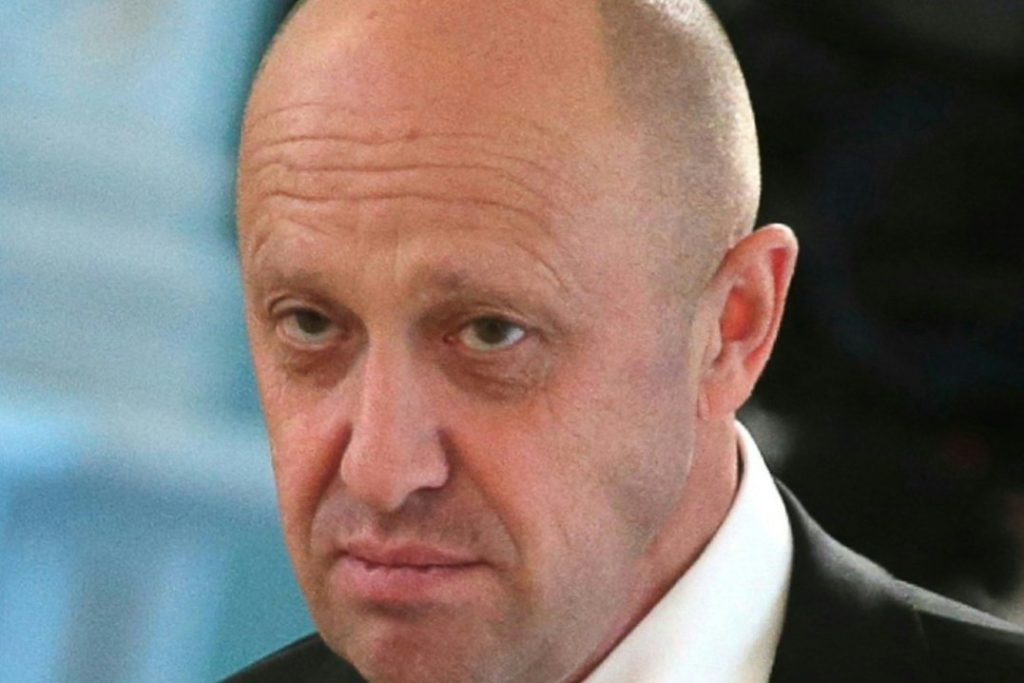
WASHINGTON, September 25 — US intelligence agencies and independent researchers have identified Russian state-linked disinformation operations as a persistent threat to American elections, a concern now focused on the 2026 midterm elections set for November 3. The pattern dates to at least 2014, when the Internet Research Agency, a St. Petersburg-based troll farm tied to businessman Yevgeny Prigozhin, began targeting US audiences on social media.
In a February 2018 indictment, Special Counsel Robert Mueller charged 13 Russian nationals and three Russian entities, including the IRA and Prigozhin’s Concord Management and Consulting, with interfering in the 2016 US presidential election.
The 2016 operation and its reach
The Senate Intelligence Committee’s bipartisan report, released in volumes in 2019 and 2020, concluded Russia used social media and other means to influence the 2016 race. In 2016, Russian military intelligence officers, later charged by Mueller in July 2018, hacked Democratic National Committee and Clinton campaign emails and passed them to WikiLeaks. The IRA’s operations reached millions of Americans.
Internal figures cited in press reports and court filings indicated its Facebook pages reached more than 126 million people. The campaign also organized real-world rallies in US cities in 2016.
After 2016, the IRA shifted tactics, using Instagram and other platforms. Russian actors later targeted the 2020 election with disinformation about mail-in voting and COVID-19, according to US officials. In 2020, the US Treasury sanctioned the IRA and individuals tied to Prigozhin.
Warnings for 2026
For the 2026 midterms, the US intelligence community has warned that Russia may again use social media, fake news sites, and AI-generated content to inflame divisions, though specific operations have not been publicly confirmed. The FBI and Cybersecurity and Infrastructure Security Agency continue to monitor foreign influence. Prigozhin died in a plane crash in August 2023.
Mueller led the 2017-2019 investigation. Current US officials involved in election security have not been named in the story.
What to watch next is whether US intelligence publicly attributes any specific 2026 operation to Russian actors before voters go to the polls on November 3.




