The Senate’s decision to block the supplemental funding bill that included Ukraine aid was not a surprise to anyone who has watched the chamber’s recent rhythm on foreign spending. The bill failed to gain the necessary support. That is the mechanical fact. What it means, in plainer terms, is that Ukraine just lost its most reliable financial backer at a moment when Russian forces are pressing hard.
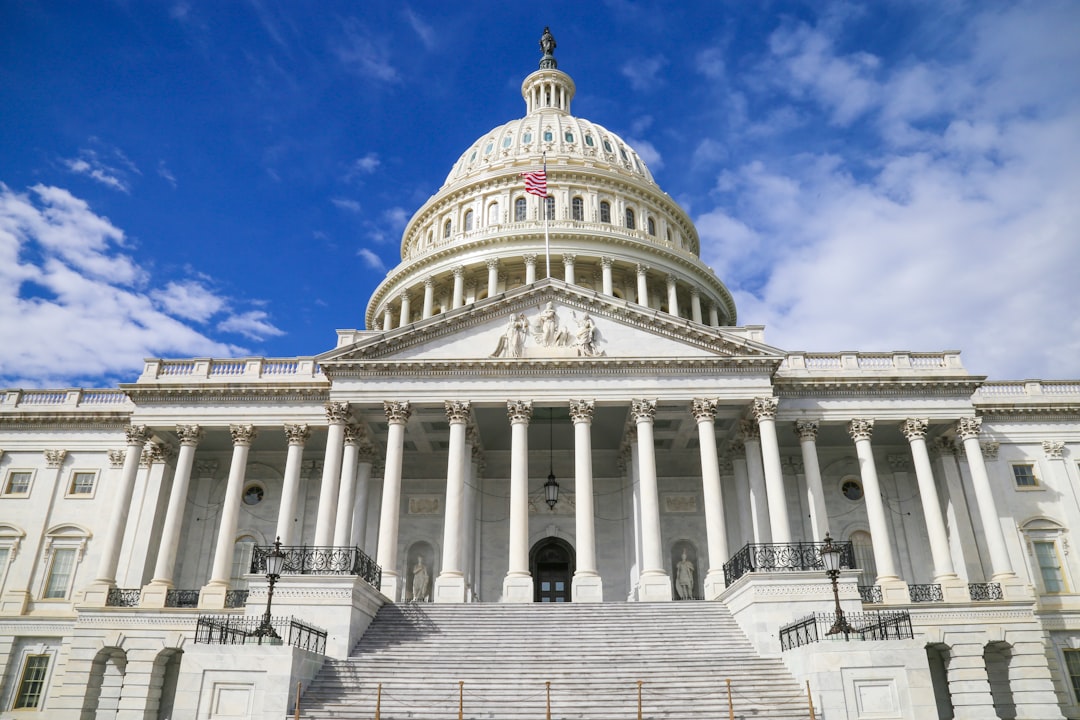
This is a procedural defeat with real-world consequences. The Senate, as the upper chamber of the U.S. Congress, holds the power to make or break federal legislation. It broke this bill. For Ukraine, which has been leaning on Western support to hold its lines against Russian aggression, the timing could hardly be worse. The conflict in Eastern Europe is not pausing while Washington sorts out its internal fights.
The forces behind the blockage are not hard to trace. The report notes that the bill was intended to provide additional support for Ukraine as it defends itself. But the Senate is a body built on checks and balances. Bipartisan support is the engine for major legislation. That engine stalled. Some senators clearly saw the bill as carrying too much weight, or the wrong kind of weight. Others may have seen it as a chance to press demands on border policy or domestic spending. The report does not name the holdouts or their reasons. It does not need to. The outcome is the same.
President Biden’s administration has been a strong supporter of Ukraine. It has worked to rally international support. The Senate’s action is a direct blow to that effort. It is also a reminder that the president does not control the Senate. The chamber’s exclusive powers—confirming appointments, approving treaties, convicting in impeachment cases—give it a unique role. That role includes the power to say no. It said no here.
Where this leads is not hard to guess. Ukraine will have to lean harder on European allies, who have their own economic pressures. The Russian government will see the Senate vote as a signal. That signal is one of division and fatigue. The conflict in Ukraine does not wait for American budget cycles. The Senate’s decision is likely to be the subject of intense debate in the coming days. Lawmakers and policymakers will try to understand the implications and figure out the next steps. That is the standard Washington response. Meanwhile, on the ground in Ukraine, the next steps are already being taken without this money.
The bill was a supplemental. That means it was extra, above the normal budget. The normal budget process is already a battlefield. Adding Ukraine aid to it turned the battlefield into a war zone. The Senate chose to retreat. The report frames this as a significant setback for Ukraine. That is accurate. It is also a setback for the Biden administration’s foreign policy agenda. The administration has been working to rally international support. Now it has to explain why its own Senate could not deliver.
The checks and balances the report mentions are not abstract. They are the reason the bill died. They are also the reason the debate will continue. The Senate can try again. It can attach the funding to a different bill. It can wait for political pressure to build. But none of that helps Ukraine right now. The Senate blocked the bill. That is the fact. The implications will unfold in the weeks ahead, on the front lines and in the corridors of power.