
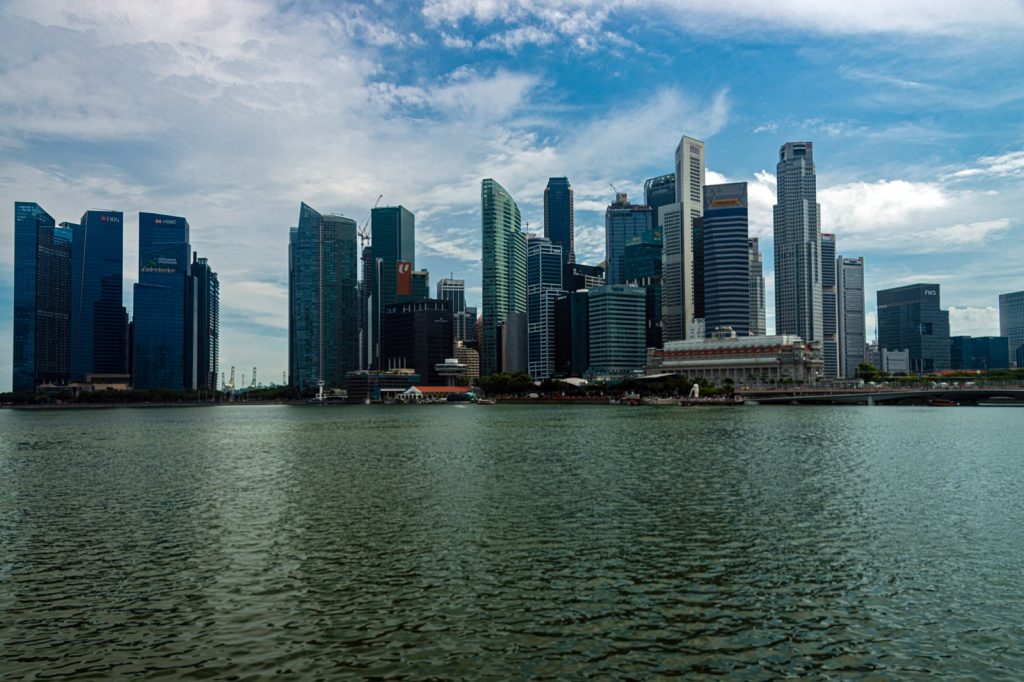
Singapore revised its Global Investor Programme (GIP) on February 2, 2020, to broaden eligibility for permanent residence to a new class of high-performing entrepreneurs and next-generation investors. The changes, announced by the Economic Development Board, take effect on March 1. They aim to attract more capital and business talent to the city-state’s financial sector.
The GIP is a division of Singapore’s Economic Development Board. It advises entrepreneurs and business owners interested in relocating to and investing in the country.
Previously, only established investors and entrepreneurs could apply for permanent residence under the scheme. The revisions extend eligibility to owners of fast-growing firms and those setting up single-family offices. Contact Singapore’s director Matthew Lee said the updates will “strengthen their country’s banking and finance sector and will more likely reflect quick moves in the world economy.” He added that the changes can “attract new business openings and new types of commercial futurists.”
New qualifying criteria for investors
Under the revised rules, owners of fast-growing companies must hold at least $500 million in company shares to qualify. This threshold targets high-performing firms with proven track records. The government also extended qualification to individuals who finance $2.5 million in a new or existing single-family office.
That office must have at least $200 million of assets under management. Singapore is one of the most preferred locations for single-family offices due to its financial and economic stability.
The new criteria provide more avenues for PR application. They benefit high-performing firms directly.
Impact on the economy and job creation
Renowned Singaporean businessman Dainial Sani Lim said the changes place emphasis on high-performing companies. He noted that this, in turn, “further boost the country’s economy and create more job opportunities.” The revisions aim to channel investment into sectors that drive growth and employment. The GIP updates reflect a strategic shift.
Singapore wants to attract not just capital but also entrepreneurial talent that can build businesses. The focus on fast-growing firms and family offices signals a move toward long-term, sustainable investment.
Broader context for the revisions
Singapore has long competed with Hong Kong, Dubai, and other financial hubs for wealthy investors. The GIP revisions come at a time when global economic uncertainty is high. Trade tensions and the early stages of the COVID-19 pandemic were reshaping investment flows.
By lowering barriers for next-generation investors, Singapore hopes to capture a share of the wealth transfer happening across Asia. The changes also align with Singapore’s push to become a global wealth management center.
Single-family offices have grown rapidly in the city-state. They manage assets for ultra-high-net-worth families. The new GIP rules make it easier for these families to secure permanent residence while managing their wealth from Singapore.
What applicants need to know
Applications under the revised GIP will be accepted from March 1. Interested investors should prepare documentation proving company ownership, share value, and assets under management. The Economic Development Board will review applications on a case-by-case basis.
Approval is not guaranteed. The revisions do not change the basic requirements for other PR schemes.
The GIP remains a separate track for investors. It offers a faster route to permanent residence for those who meet the financial thresholds. The changes to Singapore’s Global Investor Programme represent a calculated effort to attract high-performing businesses and next-generation investors.
By lowering the bar for fast-growing firms and family offices, the government aims to strengthen its financial sector and create jobs. The revisions take effect on March 1, and early interest is expected from entrepreneurs and family offices across Asia.