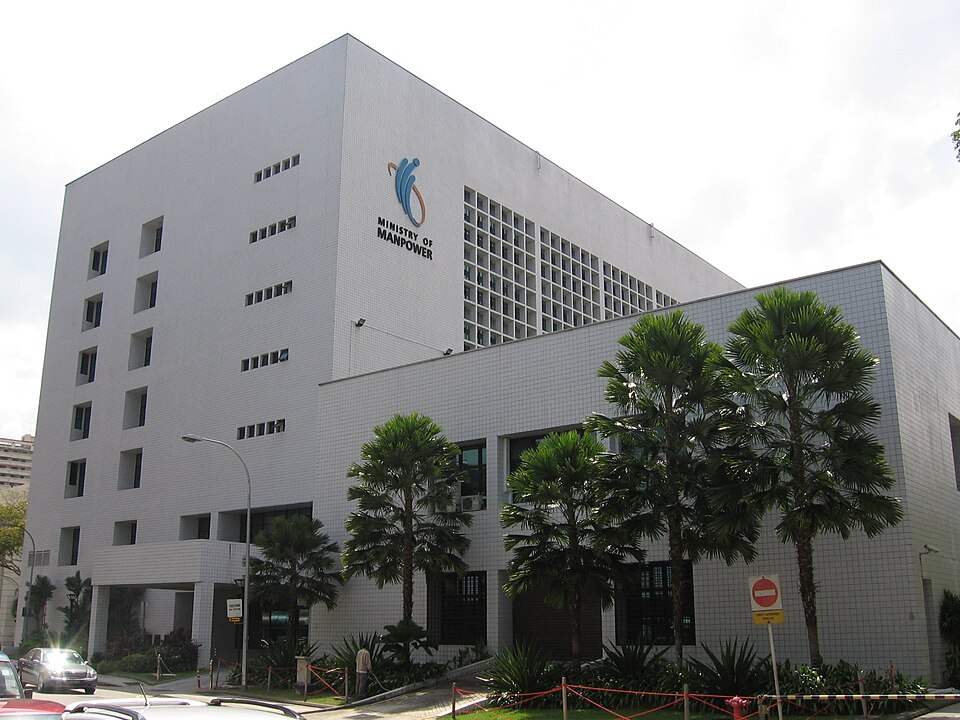
Singapore’s Ministry of Manpower (MOM) warned on April 2, 2020, that it will issue stop-work orders to companies that fail to implement telecommuting arrangements during the COVID-19 pandemic. Manpower Minister Josephine Teo announced the measure at a virtual multi-ministry task force briefing on Tuesday, March 31, as the government seeks to enforce safe distancing in workplaces. The move comes after MOM assessed that only 40% of workers in the country’s Central Business District were telecommuting despite repeated advisories. As of Wednesday, April 1, Singapore had recorded 926 COVID-19 cases and three deaths.
Government to amend laws and increase penalties
Teo said the government is considering amending laws to raise fines and other penalties for companies that ignore official policies aimed at curbing the spread of the coronavirus. She stressed that enforcement will be stepped up significantly. “If the company is really not taking it seriously at all, then we have no choice and will not hesitate to issue a stop-work order,” Teo said. She noted that the duration of such an order would depend on the severity of the case.
MOM plans to increase the number of enforcement officers up to fivefold to conduct strict checks and monitoring on all companies. The minister emphasized that telecommuting is a critical part of safe distancing, particularly in workplaces. “There is a lot of scope for us to do more, especially the private sector firms,” she said.
Public sector leads by example
The Singaporean government has been taking the lead on telecommuting. About 90% of employees from agencies such as the Infocomm Media Development Authority and the Urban Redevelopment Authority are already working remotely. This high adoption rate in the public sector is a benchmark for private companies.
Teo made clear that employers must allow their workers to work from home as far as reasonably practicable. “If the nature of work can allow for work to be done from home, companies should ensure that all the employees work from home,” she stressed. The minister’s comments show the government’s expectation that businesses will comply fully with the telecommuting directive.
Assistance available for struggling firms
Despite the strict enforcement approach, the government is also looking at ways to help companies successfully implement telecommuting. Teo said grants are available to aid firms in paying workers with flexible work arrangements. She directed companies needing help to several organizations.
“Companies that need help implementing telecommuting can approach the Singapore Manufacturing Federation, the Employment and Employability Institute or the Singapore National Employers Federation for assistance on how to do so,” she said. These resources are intended to ease the transition for businesses that may lack the infrastructure or know-how to shift to remote work.
Enforcement timeline and next steps
The stop-work order policy takes immediate effect. MOM will begin intensified checks across all sectors. Companies found to be non-compliant will face orders to cease operations until they implement proper telecommuting measures. The government has not specified a minimum or maximum duration for these orders, leaving that to case-by-case assessment.
The announcement comes as Singapore ramps up its overall response to the pandemic. The country had already implemented travel restrictions, school closures, and social distancing measures. The telecommuting mandate is the latest effort to reduce physical contact in workplaces, which health authorities have identified as a key transmission risk.
The multi-ministry task force continues to coordinate the national response. Teo’s remarks at the briefing signal that the government will not tolerate businesses that put workers at risk by refusing to adapt. The combination of enforcement, penalties, and support programs aims to drive compliance while minimizing economic disruption.
Singapore’s experience with the SARS outbreak in 2003 informed its current approach. The government has emphasized early and decisive action. The telecommuting order is one of several measures designed to flatten the infection curve and protect the healthcare system from being overwhelmed.
The situation remains fluid. As of April 1, the number of cases in Singapore had risen steadily, though the death toll remained low compared to many other countries. Health officials continue to urge the public to practice good hygiene and maintain safe distances. The stop-work order adds a new layer of enforcement to those efforts, targeting the workplace as a potential hotspot for transmission.