
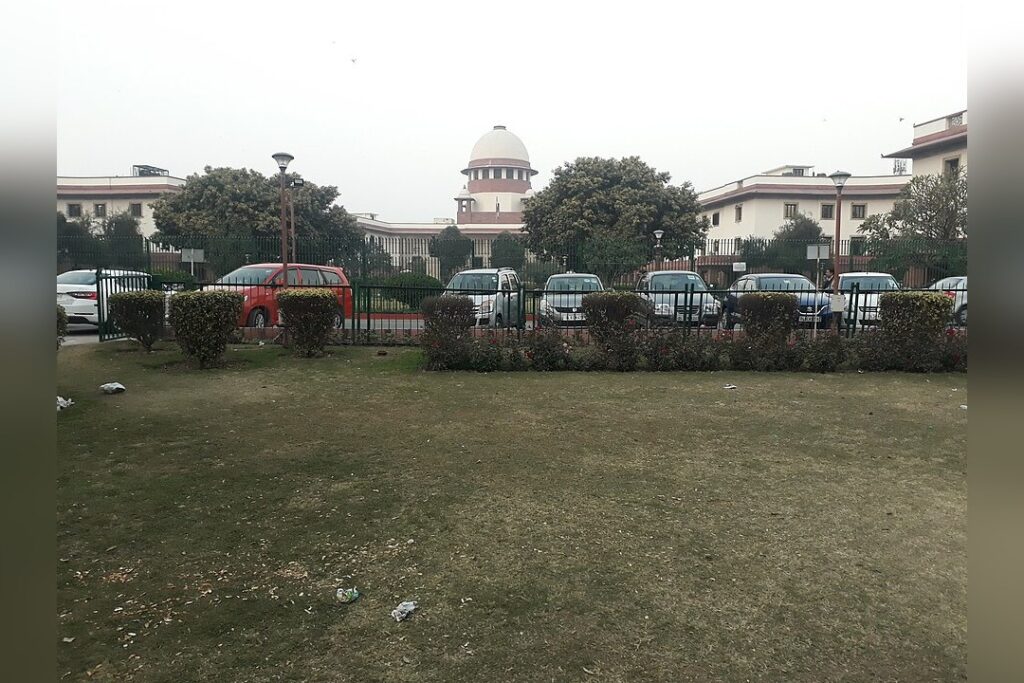
NEW DELHI, July 7 — A total of 43 cases from Dakshina Kannada currently pending before the Supreme Court of India have been identified as eligible for a Special Lok Adalat session scheduled for August. The special session is part of ongoing efforts by the National Legal Services Authority (NALSA) to reduce the backlog in higher courts. The Supreme Court’s legal services committee will oversee the settlement process during the August session.
According to the source, litigants who choose to settle their disputes at the Lok Adalat will have their decisions treated as final and binding, with no right of appeal. For those who do not reach a settlement, regular court proceedings will continue.
Separately, the National Lok Adalat is set for July 11. Litigants in Mysuru with pending cases are being encouraged to participate in that event to avoid prolonged litigation. The structure of these alternative dispute resolution mechanisms follows a pattern familiar in India’s legal system.
Lok Adalats, or “people’s courts,” operate as a form of mediation where both parties voluntarily agree to a settlement. The process is designed to clear dockets that have grown heavy with years of accumulated cases.
The Special Lok Adalat in August targets a specific subset of those cases from Dakshina Kannada, a coastal district in Karnataka state. For litigants weighing their options, the calculus is straightforward. Settling at the Lok Adalat means a binding resolution with no further legal recourse.
Continuing with regular court proceedings keeps the possibility of appeal alive but extends the timeline and cost. The July 11 National Lok Adalat offers a similar trade-off for a wider pool of cases. What to watch next: The outcome of the July 11 National Lok Adalat will likely signal how many litigants choose settlement over continued litigation.
The August Special Lok Adalat for the 43 Dakshina Kannada cases will serve as a test case for whether targeted sessions can meaningfully reduce the Supreme Court’s backlog.




