
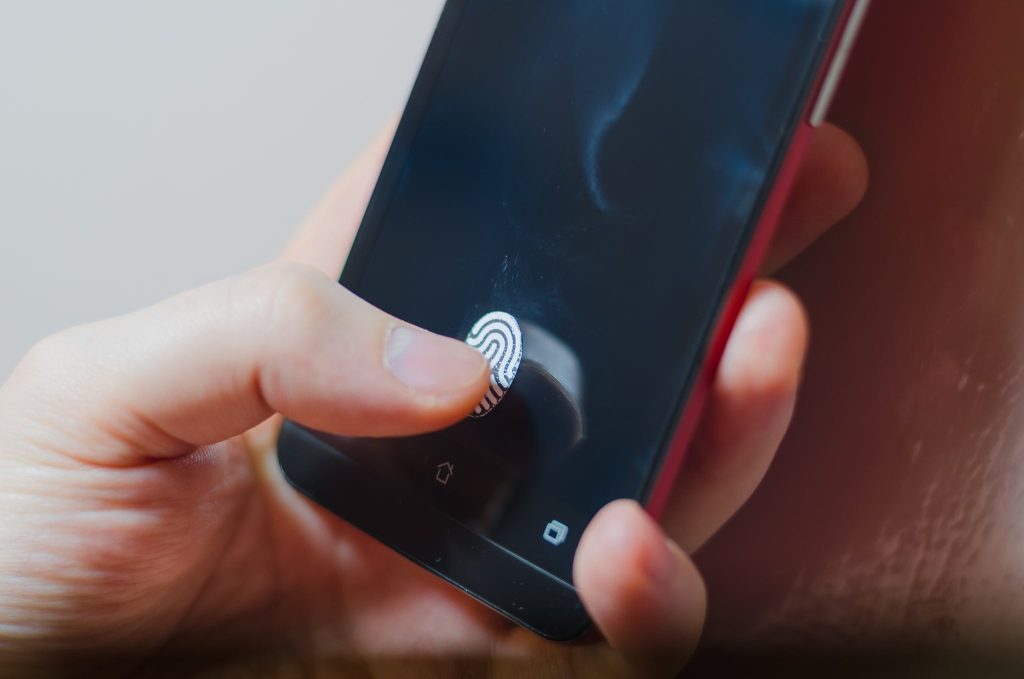
Two federal appeals courts have come down on opposite sides of a question that millions of phone owners carry in their pockets: can police force a suspect to unlock a device with a fingerprint or a face scan? The answer now depends on where in the United States the case is filed, and legal analysts, along with the Center for Democracy and Technology, read the conflict as a strong signal that the Supreme Court will eventually have to settle it.
The stakes run through the Fifth Amendment, the constitutional bar on compelled self-incrimination. Courts have long treated the distinction this way: a spoken or typed passcode is protected testimony, while a physical identifier, in the traditional view, is not. Biometric unlocking sits awkwardly between the two categories.
Two Circuits, Two Answers
In April 2024, according to state and international reports, the Ninth Circuit, ruling in U.S. v. Payne, held that forcing a fingerprint onto a sensor broke no constitutional rule. The court’s reasoning: the press of a finger is a physical act, not a testimonial communication, and only the latter is shielded.
The D.C. Circuit went the other way. In U.S. v. Brown, decided on January 17, 2025 and published in March, that court held that a biometric unlock can amount to compelled testimony. The account indicates the judges focused on what the gesture reveals: pressing the finger to the phone demonstrates the suspect’s control over the device and its contents, an insight the self-incrimination clause was built to protect.
A Third Case, Often Misread
A third decision, U.S. v. Ray, keeps surfacing in public debate, but officials said its facts are different. The Fourth Circuit’s June 3, 2024 ruling had nothing to do with biometrics. It asked whether Naval Criminal Investigative Service agents went beyond their warrant, which covered seizing a phone but not rifling what was stored on it. The case still matters, though: it shows how much unresolved ambiguity surrounds digital evidence generally.
The timing sharpens the stakes. Fingerprint readers and face scanners now ship switched on by default in most major manufacturers’ devices, so the routine lock on an average phone is biometric far more often than it is a typed code. What began as an edge question in evidence law now touches nearly every criminal investigation involving a handset.
Not Only An American Problem
The pattern echoes abroad. In Finland, lawmakers have floated widening police access to biometric data, though the account indicates that bill is still being debated and has not become law. Across jurisdictions, identification technology is spreading faster than any consensus on the rules that should govern it.
For now, the practical rule is geography. A defendant compelled to open a phone by face scan in one circuit may have a claim; in another, the same act carries no constitutional objection at all. Until the Supreme Court takes the question, the standard varies with the courthouse door.




