
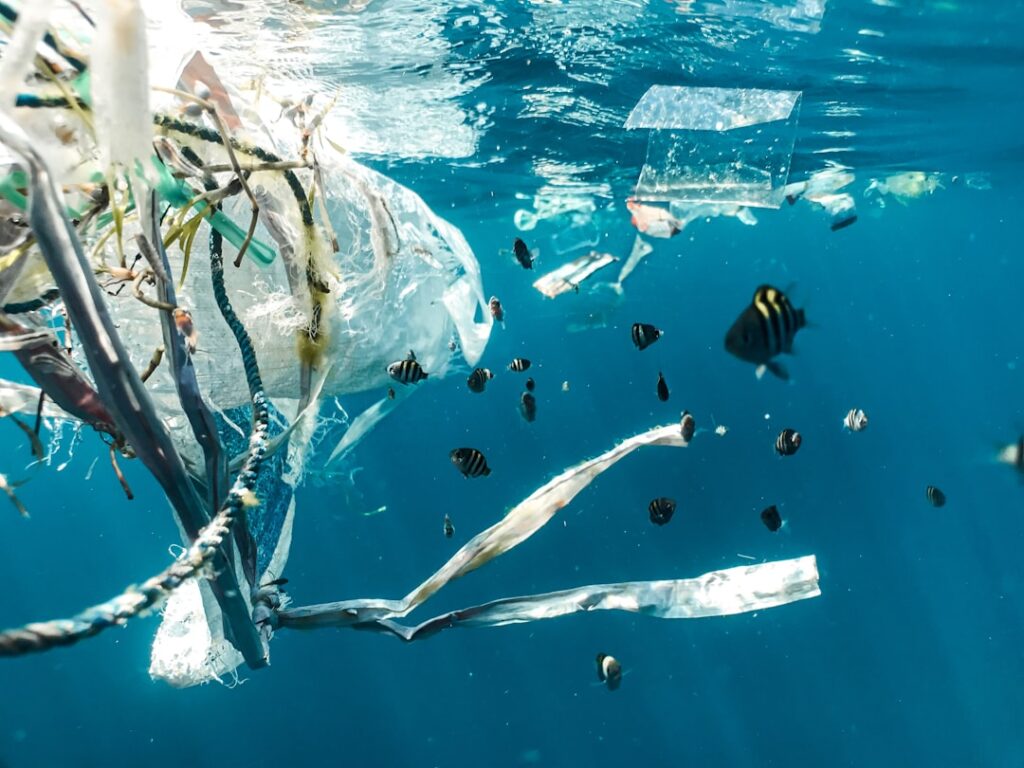
“Thailand was ranked sixth among the world’s top countries that dumps waste into the sea,” Environment Minister Varawut Silpa-Archa told reporters on 1 January 2020, as he handed out reusable shopping bags to the public. Thailand had just begun the year with a ban on single-use plastic bags at major stores.
Two animals explain why the government moved. In August 2019 a baby dugong named Marium, an 8-month-old rescued from a southern beach in April, died of an infection tied to plastic in her stomach and intestines. Images of biologists feeding her milk and seagrass had spread on social media, and the Department of Marine and Coastal Resources’ Facebook announcement of her death drew more than 11,000 shares. “She must have thought these plastics were edible,” said Jatuporn Buruspat, the department’s director general. Varawut said her death should remind people everywhere “not to dispose of trash into the oceans”.
Dugongs, relatives of the manatee that can reach about 3.4 meters in length, are listed as a vulnerable species. The vet who tried to save Marium, Nantarika Chansue, wrote that the plastic blockage “could not be cured” even though the respiratory infection could be partly treated, and said the death should serve as a lesson.
Three months later came the deer. Officials in Nan province, about 630 kilometres north of Bangkok, found a 10-year-old animal dead in Khun Sathan National Park with 7 kilograms of plastic bags and other trash inside it. Photos from the park showed coffee grounds, instant noodle packaging, garbage bags, towels and underwear among the contents. An autopsy named the plastic as one of the causes of death. “It shows we have to take seriously and reduce… single-use plastic,” said Kriangsak Thanompun, director of the protected region.
Who is covered
The January ban applies to major stores, not street vendors or fresh markets. It follows pledges by large retailers, among them the operator of 7-Eleven, to stop handing out thin plastic bags by January 2020. AFP noted that Thais use up to 3,000 single-use bags each per year, whether for street food, takeaway coffee or groceries. The government and retailers are working toward a complete ban in 2021.
The ministry says Thailand cut its use of plastic bags by two billion, about 5,765 tonnes, during 2019, the first phase of a campaign built on voluntary refusal at the till. Varawut said the country had slipped from sixth to 10th in the ranking over the previous five months, “thanks to the cooperation of the Thai people”.
He was candid about what comes next. The hardest part, he said, is the last 40 per cent of bags, used at fresh markets and in rural areas. “It’s not going to be easy to change the way of thinking and behaviour of those people.”
Shoppers were already adjusting. One of them, Supanee Burut-thong, admitted she often turned up empty-handed and forgot to bring a bag. “When I remember, I will carry it along,” she said.
Sources
- Thailand kicks off 2020 with plastic bag ban (Reuters, via The Straits Times)
- Dead deer found in Thailand with 7kg of plastic in stomach (AFP, via Digital Journal)
- Baby dugong dies in Thailand after eating plastic (DW)




