
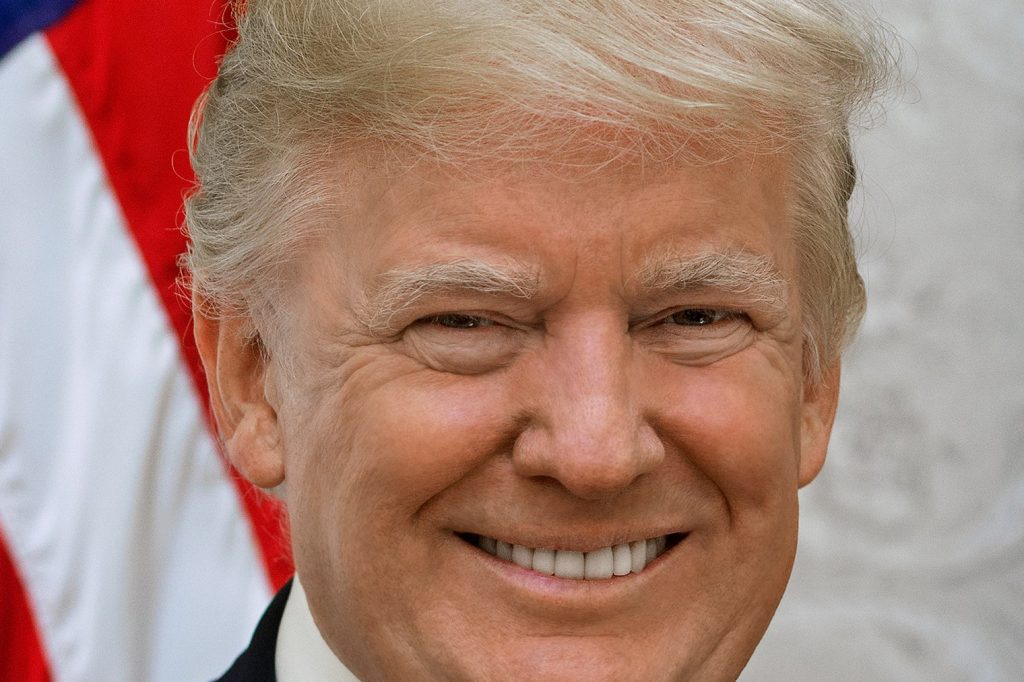
Toledo, January 10, 2020 — cybernewschronicle.com — Ohio rallygoers cheered President Trump’s account of a snap decision that killed Iran’s top general. But that moment in Toledo on January 9 was just the start of a chain reaction still unfolding across the Middle East and inside Washington. The strike that killed Qasem Soleimani at Baghdad International Airport on January 3 removed a man the president called an active planner of new attacks on U.S. embassies.
Trump told the crowd of about 8,000 that intelligence showed Soleimani “was looking very seriously at our embassies.” The general, head of Iran’s Quds Force, had been linked to the recent rocket attack in Iraq that killed an American contractor and to organizing violent protests at the U.S. Embassy in Baghdad. Those embassy protests were the immediate trigger.
The contractor’s death was the one that broke through. Trump framed the drone strike as self-defense, not escalation. “We stopped him and we stopped him quickly and we stopped him cold,” he said.
The Republican reaction was swift and united. Senator Lindsey Graham called Soleimani a “bad guy and blood-thirsty terror” in the Middle East.
GOP leaders argued the strike disrupted years of Iranian aggression and sent a clear message. For them, Soleimani was a legitimate target responsible for hundreds of American deaths over two decades. The strike was justice delivered, not a war started.
Democrats saw it differently. House Speaker Nancy Pelosi was not consulted. Trump made that clear in Toledo, saying he did not have time to call her, adding a dismissive remark about her mental state.
That line drew cheers. But it also highlighted a breakdown in the normal chain of congressional consultation before a strike of this magnitude.
The administration’s legal justification — that Soleimani posed an “imminent threat” — faced immediate scrutiny from lawmakers who wanted to see the underlying intelligence. Now the consequences ripple out. Iran vowed revenge.
The region braced for proxy attacks, cyber strikes, or a direct military response. U.S. troops in Iraq and Syria went on high alert.
The Iraqi parliament voted to expel American forces from the country, a move that threatened the long-term U.S. military footprint in the region. The embassy in Baghdad, already under siege days before the strike, remained a flashpoint. Trump’s decision also reset the political debate at home.
The 2020 campaign, already underway, now had a foreign policy crisis at its center. The president’s base rallied behind the strike as a show of strength. Swing voters faced a choice between backing a decisive commander in chief or fearing a wider war.
The intelligence community’s assessment of the threat — and whether it was truly imminent — became a partisan battleground. The killing of Soleimani did not end the threat of Iranian-backed attacks.
It changed the shape of that threat. The general was a singular figure, a strategist who built Iran’s network of proxies across the region. His death removed a skilled operator but left his network intact and angry.
The Quds Force, the unit he led, still had commanders, still had resources, still had grievances. What happens next depends on Tehran’s choice.
A measured retaliation keeps the conflict contained. A major strike on U.S. forces opens a war neither side says it wants. The rally in Ohio was a victory lap.
The aftermath is still being written.
{“@context”: “https://schema.org”, “@type”: “NewsArticle”, “headline”: “Trump Details Soleimani Strike Decision to Cheering Ohio Rally Crowd”, “description”: “Ohio rallygoers cheered President Trump’s account of a snap decision that killed Iran’s top general. But that moment in Toledo on January 9 was just the start o”, “datePublished”: “2020-01-10T15:00:00+00:00”, “author”: {“@type”: “Person”, “name”: “InfoPulse Today”}, “publisher”: {“@type”: “Organization”, “name”: “InfoPulse Today”}}




