
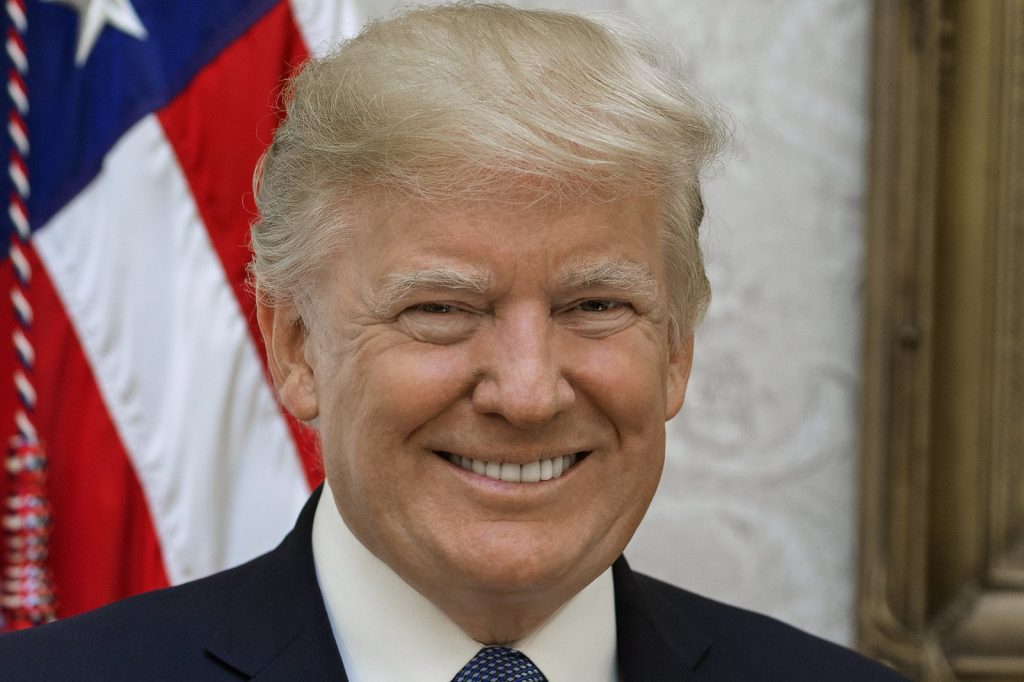
The foreman said “Guilty” 34 times, and it took less than two minutes. Donald J. Trump, who shook his head as the word was repeated, became on Thursday the first American president to be convicted of a felony.
A jury of 12 New Yorkers found him guilty on all 34 counts of falsifying business records. The verdict came shortly after 5 p.m., on the second day of deliberations, after roughly 10 hours in the jury room. Justice Juan M. Merchan had been about to send the jurors home for the day when word came that they had a decision.
What the jury found
Jurors concluded that Trump faked records to hide the purpose of money paid to Michael D. Cohen, his onetime fixer. The records described the payments as ordinary legal expenses. In truth, Trump was reimbursing Cohen for a $130,000 hush-money deal that Cohen made with the porn star Stormy Daniels to silence her account of a sexual encounter with Trump, which he has denied.
In New York, falsifying business records is a misdemeanor unless it is used to commit or conceal another crime. Manhattan District Attorney Alvin L. Bragg argued the other crime was the violation of a little-known state election law that bars anyone from aiding an election by unlawful means. Jurors determined Trump had coordinated an unlawful conspiracy to win the White House in 2016.
During deliberations the jurors asked to hear parts of the testimony from Cohen and from David Pecker, the former publisher of The National Enquirer, again. Prosecutors say Pecker was part of a conspiracy to suppress unflattering stories about Trump in the 2016 campaign.
The courtroom
As the jury entered, 11 of the 12 looked straight ahead. One looked toward the defendant. The jurors, seven men and five women, stayed expressionless as they were polled one by one, even as Trump watched them. When they left, they walked right past him, and he kept his eyes downcast. Merchan told them they were free to discuss the case, though no juror had yet spoken to the news media. Their identities were kept secret from everyone except the lawyers and Trump.
Outside, one demonstrator held up a large “Trump Convicted” sign while others pumped their fists. Helicopters droned overhead.
Reaction
Bragg, who in February 2022 decided not to pursue a case against Trump and was criticized as the investigation shifted, thanked the jury. He said Trump had falsified records to “conceal a scheme to corrupt the 2016 election.” Asked about the criticism he had faced, Bragg said, “I did my job, and we did our job.” He added, “There are many voices out there, but the only voice that matters is the voice of the jury, and the jury has spoken.” Questioned about what sentence his office would seek, he said it would answer in court.
Trump, who has long claimed the case is politically motivated, spoke briefly outside the courthouse and repeated complaints that Merchan was biased against him. “The real verdict is going to be Nov. 5, by the people,” he said. He did not answer a shouted question about why Americans should vote for a felon. His campaign emailed a fund-raising appeal calling him a “political prisoner.” President Biden’s campaign told supporters the only way to keep Trump out of the White House was to vote.
In closing arguments, Joshua Steinglass of the district attorney’s office accused Trump of trying to “hoodwink the American voter.” Todd Blanche, Trump’s lawyer, told jurors the case hinged on Cohen, whom he called “the greatest liar of all time.”
What comes next
Sentencing is scheduled for July 11. The felony conviction carries a sentence of up to four years, but Trump could get probation, and he is certain to appeal, so the case may take years to resolve. Nothing in the Constitution stops a felon from running for president or serving in the White House.




