
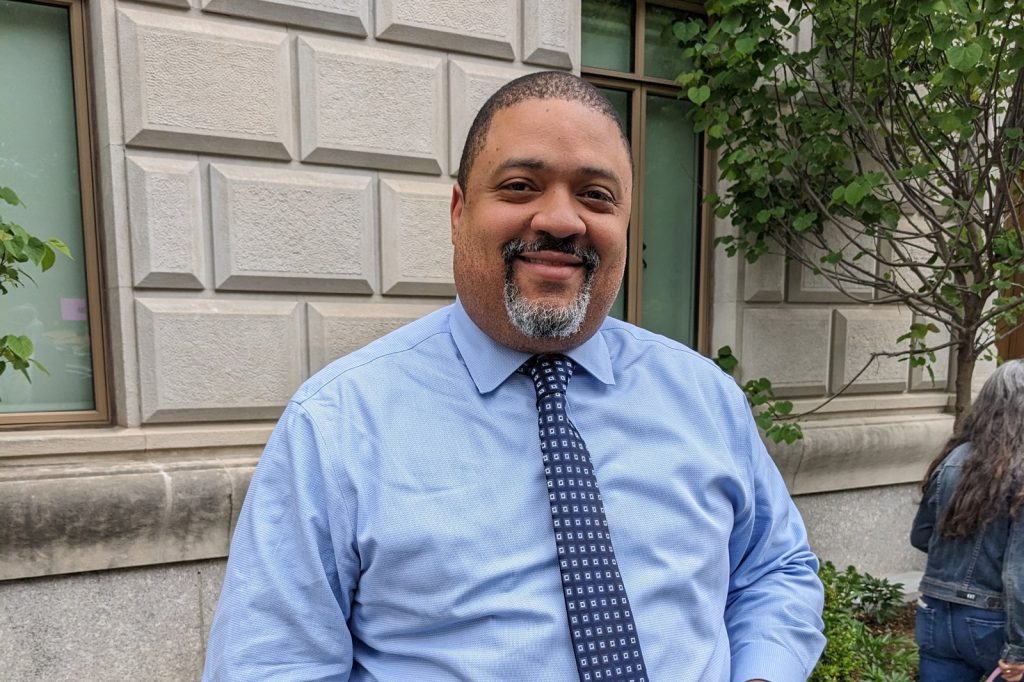
Arraignment in Manhattan
On April 4, 2023, former President Donald Trump appeared before a judge in a Manhattan courtroom and entered a plea of not guilty to 34 felony charges. The indictment, returned by a grand jury on March 30, 2023, accuses him of falsifying business records related to payments made to adult‑film actress Stormy Daniels. Prosecutors say the money was hush‑money intended to keep Daniels silent about an alleged sexual encounter that took place before the 2016 election.
Why the Charges Are Felonies
Under New York law, falsifying business records is normally a misdemeanor. It becomes a felony only when the falsification is done to conceal another crime. The Manhattan District Attorney, Alvin Bragg, contends that the records were altered to hide a scheme that benefited Trump’s 2016 presidential campaign. Prosecutors must prove that the false entries were made with the intent to facilitate that underlying offense.
Historical Context
This case marks the first criminal prosecution of any former U.S. president. The Constitution does not bar a person with a felony conviction from holding the office of president, and the Supreme Court has never ruled on the matter. No state has previously attempted to disqualify a presidential candidate on the grounds of a criminal conviction.
Political Ramifications
Trump has declared his intention to run for president again in 2024 and says he will continue his campaign even if convicted. A conviction would not automatically remove him from the ballot or prevent him from seeking office. Instead, it would create an unprecedented situation in which a major‑party nominee is also a convicted felon, forcing the country to confront how the legal and political systems intersect.
Potential Penalties
The 34 counts are felonies. New York statutes allow for incarceration, although first‑time offenders on similar charges often receive fines or probation. Sentencing would occur only after a guilty verdict, and the judge would determine the appropriate penalty based on the circumstances.
Prosecution’s Theory
The core of the prosecution’s argument is that the payments to Daniels were made to influence the 2016 election, not as personal expenses. Trump has denied the alleged encounter and has maintained that the funds were personal in nature. His legal team is expected to assert that the records were falsified for private reasons, while prosecutors insist the falsification served to conceal a campaign‑related scheme.
Procedural Timeline
On April 3, 2023, Trump flew from Florida to New York, surrendered to the Manhattan District Attorney’s office, and was processed. The following day the arraignment took place; the charges were read, his plea of not guilty was entered, and he left the courthouse before returning to Florida that evening. Later that night he spoke at Mar‑a‑Lago, characterizing the proceedings as political persecution without presenting supporting evidence. The prosecution has not commented on the substance of his remarks.
What Lies Ahead
The case, formally titled The People of the State of New York v. Donald J. Trump, is still in its early stages. The judge will set a schedule for discovery, motions, and eventual trial, a process that could extend for months or longer. The outcome will determine whether the matter remains a historical footnote or becomes a defining test of the relationship between criminal law and presidential politics in the United States.




