
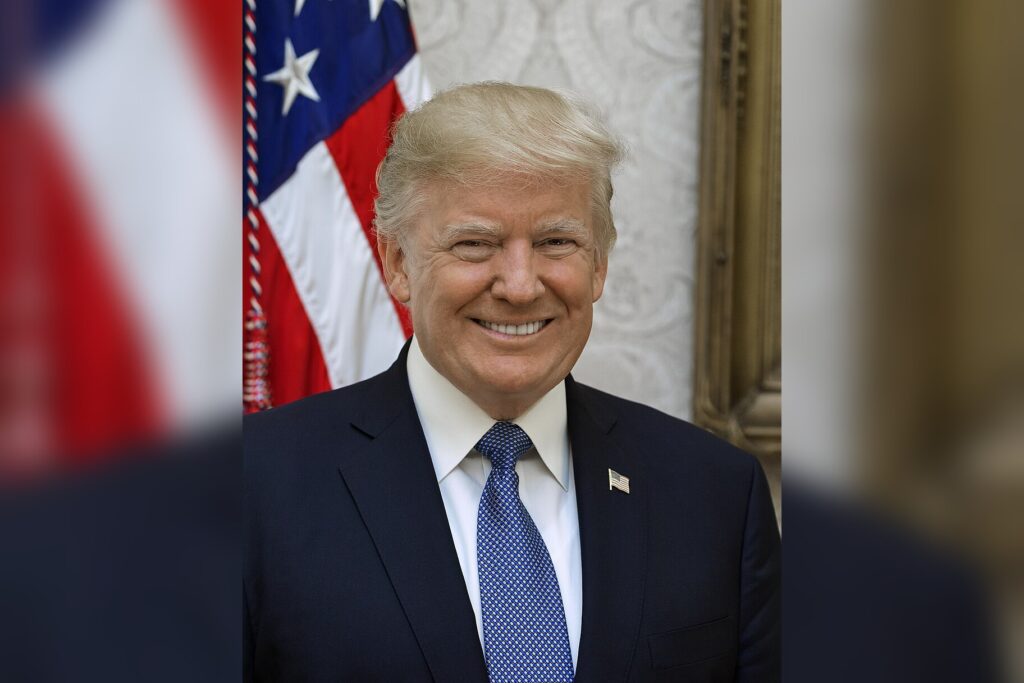
DALLAS, September 10 — President Donald Trump told the Republican National Committee’s first-of-its-kind midterm convention on Wednesday that every American citizen would receive a $5,000 “dividend” if Republicans hold the House and Senate in November, attaching a direct cash promise to his party’s bid to defy the historical odds against the sitting president’s party. “If the Republicans win, you win with us and you get $5,000,” Trump said, roughly an hour into his address in Dallas.
He branded the payments “Trump Dividends” but offered no mechanism for delivering them, leaving open whether he would ask Congress to authorize the checks.
A promise without a mechanism
The president has floated direct payments before, proposing $2,000 dividends funded by tariffs last year. On Wednesday he argued the money would flow from the country’s “tremendous economic success” and suggested tariffs on foreign goods could fund part of it. Vice President J.D.
Vance, appearing on Fox News after the speech, framed the proposal as a return of collected revenue. “What the president’s talking about is fundamentally a dividend for American workers,” Vance said, adding that the administration is “taking in an extraordinary amount of revenue because the president of the United States is actually standing up to both foreign companies but also foreign countries who’ve been taking advantage of America’s workers.” The fiscal arithmetic is steep.
Sending $5,000 to each of the roughly 245 million American adults would cost upward of $1 trillion. The Bipartisan Policy Center puts tariff and excise tax revenue since the start of last year at just under $500 billion, and more than $100 billion of that has been refunded after a Supreme Court ruling earlier this year struck down many of the administration’s tariffs.
Precedent, and the inflation risk
Broad-based payments to households are not without precedent. Congress authorized several rounds of stimulus checks in 2020 and 2021 under the Biden and first Trump administrations to shore up a COVID-ravaged economy. That precedent cuts both ways.
Any stimulus program risks spiking inflation, and many economists believe the pandemic-era payments were at least partly responsible for the consumer price surge that followed. Trump reached for other comparisons during the speech, likening the dividends to his Trump Account child investment funds, which Congress authorized, and to last year’s “warrior dividend” bonuses for service members, funded through a military housing supplement lawmakers approved.
The political context is unforgiving. Republicans are fighting voters’ long-standing habit of punishing the party that controls the White House in midterm elections, and the president’s own lagging approval rating looms over the map. Democrats are working to capitalize on unhappiness with the administration’s handling of the economy and on the unpopularity of the war with Iran.
Trump acknowledged the trend directly. “The midterms are not supposed to be won by the sitting president,” he said, before promising, “we’re going to change that.”
The map, the money, and the war
He told the Dallas audience he views about 35 House and Senate districts as especially crucial and vowed to “go to every one of those states,” mixing in-person rallies with telephone town halls. Many candidates will also be watching his nine-figure super PAC war chest. The speech reprised familiar rally material: border security, last year’s tax legislation, his tariff-heavy trade posture, and his White House renovation plans, including a ballroom.
He defended launching the war with Iran, insisted the U.S. is winning, predicted the conflict would wrap up after the midterms, and mused about renaming the Strait of Hormuz the “Trump Strait.” He closed with a warning aimed at congressional Democrats. “Hand America’s future to the radical-left Democrats, and our nation will spend the next decade just getting back on its feet,” he said.
“Vote Republican, and we will leave the world in our dust for generations to come.” What to watch next is whether the dividend promise acquires legislative legs — any request to Congress would test whether Republican leaders want to own a trillion-dollar price tag weeks before an election — and whether the cash pledge moves the roughly three dozen districts Trump has marked as decisive. The broader stakes are plain.
A party that loses the House or Senate forfeits the machinery to deliver on the promise at all, which is precisely the leverage Trump built into the offer.




