
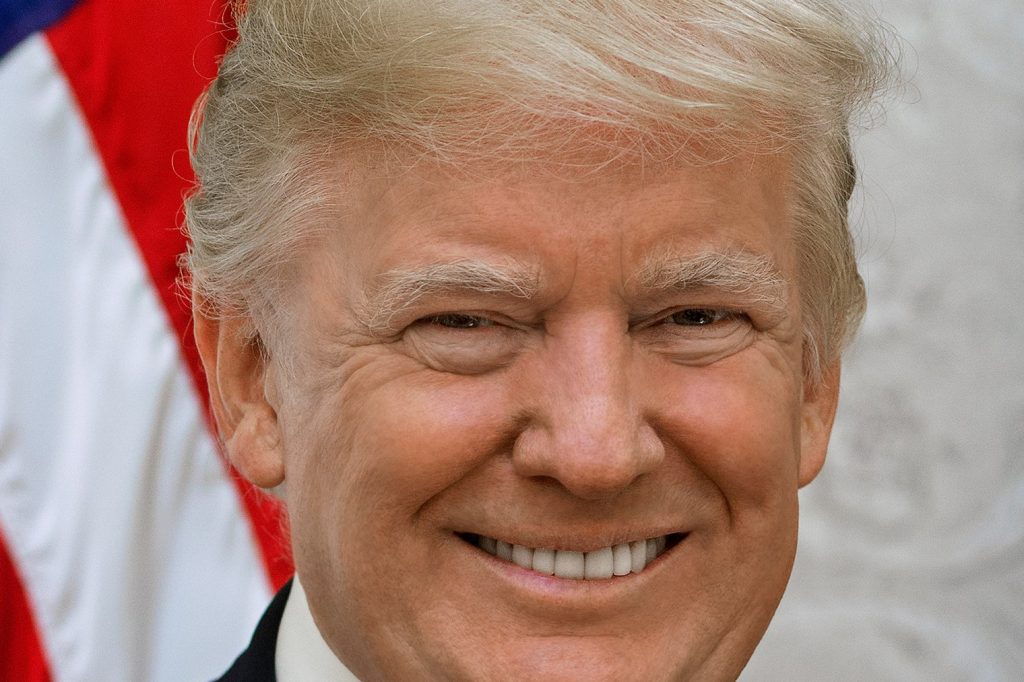
The President signed his order surrounded by children, many of them cancer survivors. That was the scene in the Oval Office on Tuesday, September 30, 2025, when Donald Trump put his name to an order on using artificial intelligence against childhood cancer. A day earlier he had signed a very different document, one that pledged American protection to Qatar.
Childhood cancer and AI
The pediatric cancer order tells the Make America Healthy Again Commission, led by Health and Human Services Secretary Robert F. Kennedy Jr., to work with the White House Office of Science and Technology Policy on ways AI can sharpen diagnoses, treatments, cures and prevention. Kennedy, Dr. Mehmet Oz of the Centers for Medicare and Medicaid Services and NIH Director Jay Bhattacharya joined Trump for the signing.
It builds on the Childhood Cancer Data Initiative, which Trump created in his first term and which sits inside the National Institutes of Health. The initiative has gathered molecular and genetic information on childhood cancers into what Fox News called a “vast” database. Trump said the order adds another $50 million to it, and a White House official said more money would follow as the order is carried out, with a call for research proposals on AI in childhood cancer.
“I’m also directing the federal government to fully utilize artificial intelligence to supercharge pediatric cancer research,” Trump said. For families, the stakes are plain. Pediatric cancer is the leading cause of death by disease in children after infancy, according to the National Cancer Institute, though the five-year survival rate for patients aged 0 to 19 now tops 83%, up from 58% for those 14 and under in the 1970s.
The announcement landed amid cuts, and researchers have sounded the alarm. The administration has pulled millions of dollars in research grants, and its budget request would lower National Cancer Institute funding from $7.2 billion to $4.5 billion for fiscal year 2026. The White House rejected the idea that it wanted to cut cancer research and said next year’s budget was still being worked out.
A security guarantee for Qatar
The Qatar order, Executive Order 14353, is dated Monday, September 29. It declares that the United States “shall regard any armed attack on the territory, sovereignty, or critical infrastructure of the State of Qatar as a threat to the peace and security of the United States.” If such an attack happens, Washington will take “all lawful and appropriate measures,” including diplomatic, economic and, if necessary, military ones. The order also directs the Secretary of War, with the Secretary of State and the Director of National Intelligence, to keep joint contingency planning with Qatar.
CNN described it as a significant commitment to a non-NATO Arab ally. It came on the day Israeli Prime Minister Benjamin Netanyahu, at the White House, apologized by phone to Qatar’s prime minister for Israel’s strike on Doha the month before. Trump’s 20-point Gaza peace plan, unveiled with Netanyahu that day, does not specifically say Israel will not attack Qatar, unlike an earlier version shown to Arab leaders.
Qatar, which hosts Al Udeid Air Base, had been designated a major non-NATO ally in 2022 under the Biden administration, and has been attacked twice this year, by Iran and Israel.
Sources
- Trump commits US to defending Qatar's security (CNN, via WRAL)
- Executive Order 14353 of September 29, 2025: Assuring the Security of the State of Qatar (Federal Register, 90 FR 48143)
- Trump signs executive order using AI for pediatric cancer (Fox News)
- Trump signs order for use of artificial intelligence in childhood cancer research (Yahoo News)




