
The United Kingdom’s Home Office has recorded 200,186 migrants crossing the English Channel in small boats as of May 9, 2026, according to official figures. This total, accumulated since 2018, underscores the ongoing challenge of unauthorized maritime migration across one of the world’s busiest sea lanes.
The Strait of Dover, which separates Dover in England from Calais in France, has become the primary crossing point. The narrowest section of this waterway measures approximately 20 miles, stretching from South Foreland in Kent to Cap Gris Nez near Calais. While this short distance makes the route appealing to those attempting to reach UK shores, the journey remains extremely hazardous.
More than 130 individuals have lost their lives in the northern French marine sector during this period, highlighting the deadly risks involved. The English Channel presents multiple dangers, including heavy shipping traffic and rapidly changing weather conditions. Many migrants travel in small, often unseaworthy vessels that are ill-equipped for such a crossing.
The legal framework surrounding these crossings is complex. International refugee law protects individuals seeking asylum from penalties if their primary aim is to enter a safe country. However, UK law classifies unauthorized Channel crossings as a criminal offense. French law similarly prohibits the use of dangerous or unregistered boats for this purpose.
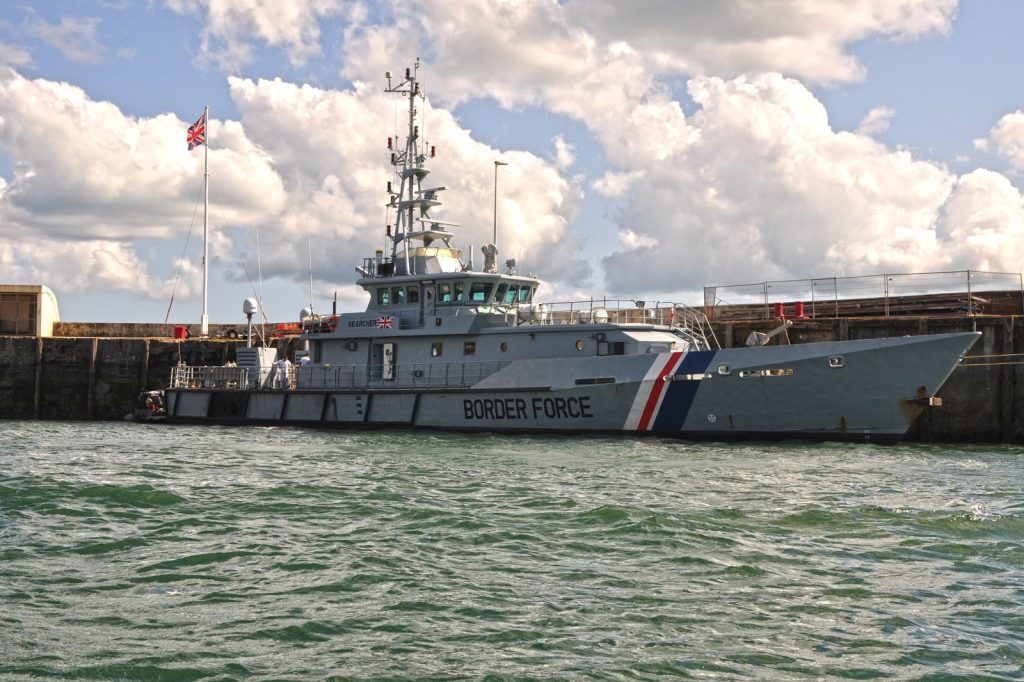
British authorities have implemented various deterrence measures, including increased patrols and enhanced surveillance operations. Despite these efforts, the number of crossings continues to rise, placing significant strain on both UK and French response capabilities. Effective coordination between the two nations remains essential for preventing further fatalities and ensuring fair treatment of asylum seekers.
Critics have pressed the UK government to take stronger action against these dangerous journeys. Addressing the underlying drivers of migration, such as conflict, persecution, and economic hardship, is widely seen as crucial to reducing the flow of people attempting the crossing. A comprehensive strategy combining border security with humanitarian support is necessary to address the crisis.
The human toll of these crossings serves as a stark reminder of the need for international cooperation. The deaths of over 130 people in French waters represent a tragic outcome of the current situation. The global community faces pressure to develop a coordinated, humane response that prevents further loss of life while respecting the rights of those seeking protection.
Looking ahead, close collaboration between the UK and French governments will be vital. The coming weeks and months are expected to be pivotal in shaping the response to this ongoing crisis, with the international community’s actions closely monitored.




