
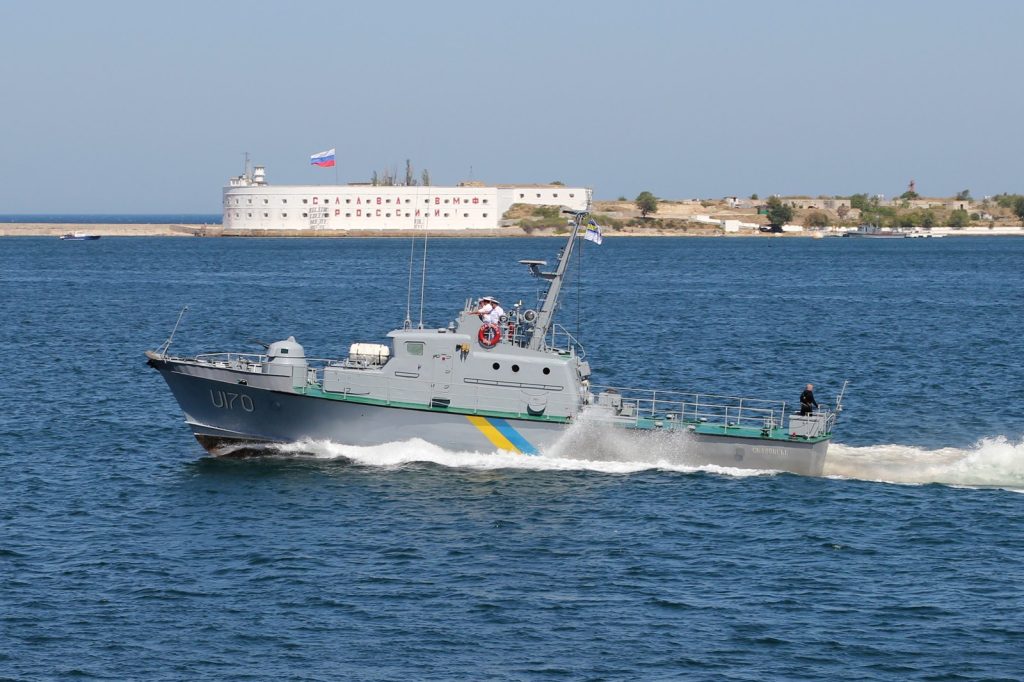
THE HAGUE, July 15 — The legal architecture of the law of the sea is being tested in the Black Sea as Ukraine’s campaign against Russian naval vessels raises questions about the boundaries of self-defence under international law. Ukraine frames its strikes on Russian warships as an exercise of the right to self-defence under Article 51 of the United Nations Charter, which permits states to respond to armed attacks. Against this backdrop, the International Court of Justice’s 1986 ruling in Nicaragua v.
United States offers a key precedent: the ICJ held that naval blockades must be proportionate and must not target civilian shipping. That judgment now reverberates in the corridors of international legal debate as the Black Sea grain corridor remains a flashpoint.
Russia’s blockade of Ukrainian ports, in place since February 2022, has drawn condemnation from the United Nations General Assembly in resolutions passed on March 2, 2022, and October 12, 2022. The International Maritime Organization has separately called for safe passage for commercial vessels. What is at stake is not merely the freedom of navigation but the wider picture of global food security, as Ukraine is a major exporter of grain and sunflower oil.
A campaign with Western backing
Ukraine’s naval campaign has been supported by the United States and the European Union, which have provided naval drones and intelligence. This material support has enabled Kyiv to strike at Russian vessels that enforce the blockade, challenging Moscow’s maritime dominance in the Black Sea. The strikes are presented by Ukrainian officials as a defensive measure to break the siege on its ports and restore commercial shipping routes.
The legal justification under Article 51 is not without controversy. Some international law scholars argue that while self-defence is a recognised right, the proportionality requirement from the Nicaragua case must apply.
A blockade that prevents all commercial shipping, including food and medical supplies, risks crossing that line. The UN General Assembly resolutions, though non-binding, carry political weight and reflect a broad consensus that Russia’s blockade violates international law.
Precedent and practice
The International Court of Justice’s 1986 ruling in Nicaragua v. United States remains the leading authority on the lawfulness of naval blockades. In that case, the ICJ found that the United States had violated international law by mining Nicaraguan ports and imposing a blockade that affected neutral shipping.
The court stressed that such measures must be necessary and proportionate to the threat, and must not discriminate between military and civilian targets. Applying that standard to the Black Sea, Ukraine argues that its strikes on Russian warships are a proportionate response to an ongoing armed attack—the blockade itself.
Russia, for its part, maintains that its naval operations are lawful and that Ukraine’s strikes constitute escalation. The International Maritime Organization’s call for safe passage adds a layer of diplomatic pressure, but has not altered Russia’s position on the ground. The wider picture includes the role of the United States and the European Union in providing the means for Ukraine’s naval campaign.
Naval drones and intelligence-sharing have given Kyiv an asymmetric capability to challenge a larger navy. This support has been framed by Western capitals as consistent with Ukraine’s right to self-defence, though it also risks drawing them closer to direct confrontation with Russia.
Against this backdrop, the legal debate over the law of the sea in the Black Sea is unlikely to be resolved in the courtroom anytime soon. The International Court of Justice has not been seized of the specific dispute, and Russia has not consented to its jurisdiction in this matter. What remains is a contest of legal narratives, backed by military force and diplomatic manoeuvring.
What to watch next: whether the UN General Assembly will adopt further resolutions on the blockade, and whether the International Maritime Organization’s calls for safe passage translate into concrete action. For now, the Black Sea remains a theatre where the law of the sea is invoked but not yet enforced.




