
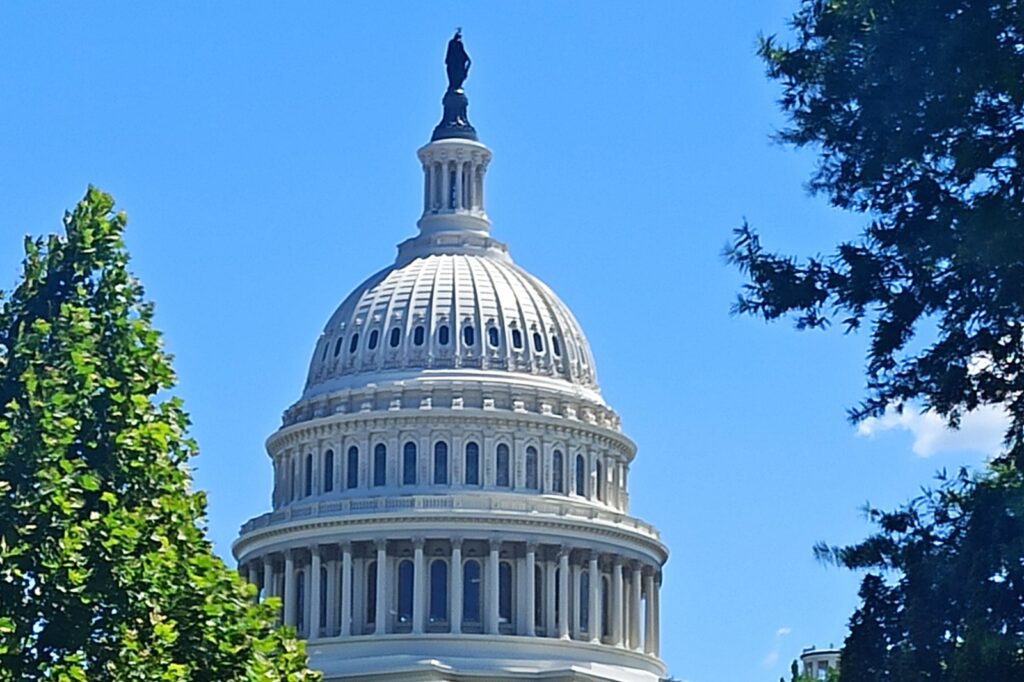
US Campaign Finance Laws Face Criticism Over Big Money Influence
Introduction to Campaign Finance Laws in the US
The financing of electoral campaigns in the United States happens at the federal, state, and local levels by contributions from individuals, corporations, political action committees, and sometimes the government. Campaign spending has risen steadily at least since 1990. In 2020, nearly $14 billion was spent on federal election campaigns in the United States.
History of Campaign Finance Regulations
Laws regulating campaign donations, spending and public funding have been enacted at the federal level by the Congress and enforced by the Federal Election Commission (FEC), an independent federal agency. Nonprofit, non-governmental grassroots organizations like the Center for Responsive Politics, Consumer Watchdog and Common Cause track how money is raised and spent. The Federal Election Commission maintains websites titled “Selected Campaign Finance Law Court Cases” and a “Court Case Alphabetical Index.”
Impact of Big Money on Political Campaigns
Critics assert that following a number of Supreme Court decisions — Citizens United v. FEC (2010) in particular — the “very wealthy” are now allowed to spend unlimited amounts on campaigns through Political Action Committees, especially “Super PACs,” and to prevent voters from knowing who is trying to influence them through “dark money” that masks the donor’s identity. Consequently, as of at least 2022, critics allege “big money dominates U.S. political campaigns to a degree not seen in decades” and is “drowning out the voices of ordinary Americans.” On December 6, 2024, The Washington Post reported that Elon Musk had donated $277 million to Trump and allied Republicans, making him the single largest individual political donor in the 2024 election and the largest donor since at least 2010, not counting candidates who funded their own campaigns, according to data from OpenSecrets.
Criticism and Calls for Reform
A 2018 opinion poll found that 74% of Americans surveyed thought it was “very” important that “people who give a lot of money to elected officials” “not have more political influence than other people,” but that 72% thought this was “not at all” or “not too” much the case. Another 65% of respondents agreed that it should not be impossible to change this and that “new laws could be written that would be effective in reducing the role of money in politics.” Federal procurement is a massive industry now topping $1 trillion annually and is vulnerable to corruption. One seminal study showed that giving an additional $200,000 yields, on average, over 100 extra contracts worth more than $5,000,000, a return on “investment” of 2,500 percent.
Potential Solutions and Proposed Changes
Most of this spending is technically legal due to woefully inadequate federal rules barring contractor campaign spending. In most cases, they apply only to the specific individual or entity that holds the contract, allowing major federal contractors to spend tens, or sometimes hundreds, of millions of dollars on federal elections through their PACs and affiliated entities and individuals. The rules also do not apply to other fundraising vehicles that contractors can use to curry favor, such as presidential inaugural funds and libraries. Proposed reforms include expanding the scope of the existing contractor campaign contribution ban to cover affiliated entities, executives, and major shareholders, and broadening the range of political spending the ban covers to include other fundraising avenues like inaugural funds, presidential libraries and special projects under the president’s control. These changes are seen as essential to address the increasingly brazen government corruption that is undermining confidence in American democracy.
Federal Contractor Political Spending and Procurement Influence
Federal procurement exceeds $1 trillion annually and is uniquely vulnerable to corruption, as companies competing for federal contracts have strong incentives to curry favor with officials who award those dollars. Research shows that giving an additional $200,000 in campaign donations yields, on average, over 100 extra federal contracts worth more than $5 million each, representing a 2,500 percent return on investment. This link between political spending and contracting benefits has been consistently confirmed across multiple studies.
Current federal rules barring contractor campaign spending are woefully inadequate, applying only to the specific individual or entity holding the contract. This loophole allows major federal contractors to spend tens or hundreds of millions on elections through PACs, affiliated entities, and individuals. The restrictions also do not cover other fundraising vehicles contractors use to gain influence, such as presidential inaugural funds and presidential libraries, which remain outside the scope of the ban despite their potential for pay-to-play dynamics.
To address these gaps, proposed reforms include expanding the contractor campaign contribution ban to cover affiliated entities, executives, and major shareholders, while broadening the prohibited spending to include inaugural funds, presidential libraries, and special projects under the president’s control. Advocates argue these changes are essential to counter the increasingly brazen government corruption that erodes public confidence in American democracy and to provide a compelling alternative to the current pay-to-play culture in federal contracting.
Sources
- Campaign finance in the United States
- Closing Pay-to-Play Loopholes: Strengthening the Ban on Federal Contractor Political Spending
- Election and Voting Law Resources for Congress | Legis1
Photo: Aviation poseidon (CC BY-SA 4.0)




