
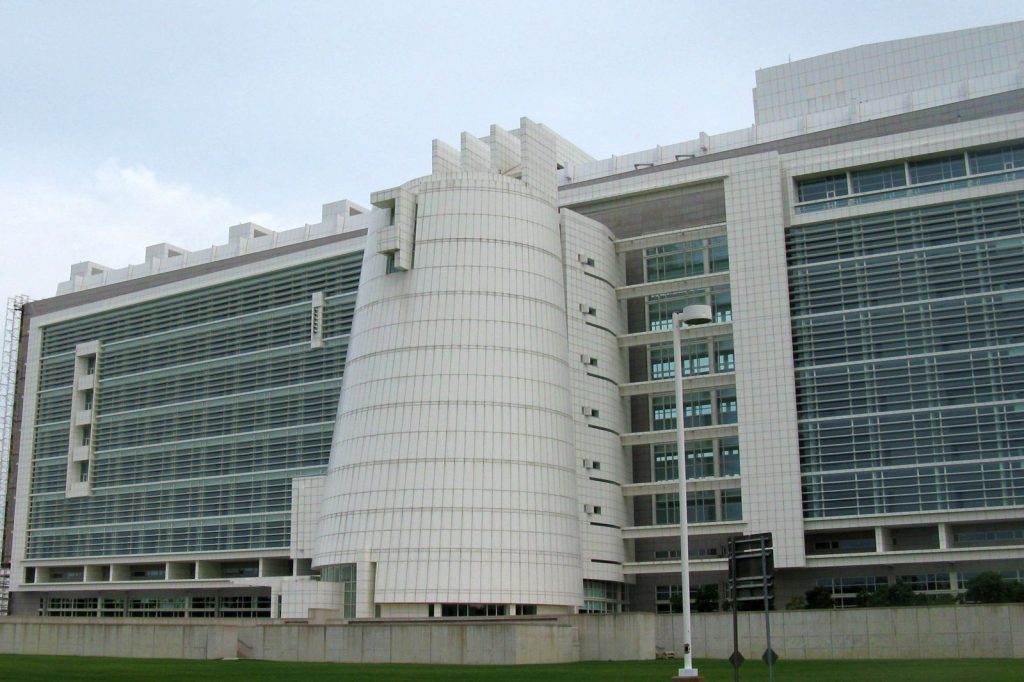
Judge Nicholas Garaufis gave Gautam Adani two questions to answer in writing, under oath, by July 15. They were short and blunt.
“1. Are you aware of anything promised, offered, sought, received, agreed to, or accepted, by anyone, in connection with the dismissal of the indictment?” the first read. The second asked whether Adani knew of “any agreement exchanging anything for the dismissal of the indictment.”
The US District Judge in Brooklyn, New York, issued the brief order late on a Wednesday, according to Business Standard. Robert Giuffra Jr., a lawyer for Adani, declined to comment. Giuffra has previously urged the court to dismiss the case, saying it has “legal and factual weaknesses.”
The case and the government’s retreat
US prosecutors accused Adani and others in late 2024 of a scheme to pay more than $250 million in bribes to Indian government officials to lock in solar energy contracts. Adani has consistently denied the allegations. The indictment also carried securities fraud and wire fraud charges.
In May, the Justice Department said it had decided “not to devote further resources to these criminal charges.” Garaufis pushed back in June, saying the Trump administration had not explained why dismissal was justified.
The department answered in a July 4 filing. R. Trent McCotter, its principal associate deputy attorney general, argued that the securities charges should never have been brought in the last weeks of Joe Biden’s presidency. He called the case a foreign matter that would have presented “extraordinary proof problems,” and wrote that “not a single penny has ever been lost on the securities at issue.” McCotter also said the decision rested entirely on a review of the merits, and that a pledge by Adani to invest in the United States played no part.
That pledge is a live issue. Adani said publicly he planned to invest $10 billion just after Americans elected Trump in late 2024. Bloomberg has reported that one of more than 100 slides his legal team used this year to argue against the case referred to the $10 billion figure.
A lawyer’s read on the judge’s move
Chris Man, a US attorney who works on federal criminal cases, described an earlier request from Garaufis as routine. Rule 48(a) requires the Justice Department to get court approval before dropping an indictment, he told Oneindia, and “the judge’s order is procedural.”
Man said the judge had given the department until July 13 to submit a detailed explanation. “In my opinion, the case is likely to be dismissed within weeks rather than months,” he said. “There is effectively no modern precedent for a judge forcing the Department of Justice to prosecute a case that the executive branch has determined should be abandoned.” He pointed to the corruption case against New York City Mayor Eric Adams, where the court asked for more explanation and held hearings before granting the government’s request.
Adani’s lawyers made their own argument in a June 24 letter. They said the conduct fell outside US law, citing the Supreme Court’s decision in Morrison v. National Australia Bank. The transactions involved non-US issuers and lenders, they wrote, the offering documents were prepared and approved abroad, and the bonds were governed by English law. They also said the payments the government calls bribes coincided with ordinary commercial price cuts offered to Indian state power companies.
Nearly 500 pages of materials went to the Justice Department between February and April 2026, the filing said, including a 118-page submission with expert opinions from a Harvard Law School securities law professor and a former SEC commissioner. The defense noted that the indictment alleged no investor losses tied to the four transactions. The 2021 bonds have matured with all interest paid, the 2024 bonds have not missed a payment, and the 2023 loan is in good standing.
Sources
- US judge seeks more details from Adani on DOJ move to drop bribery case
- Adani Indictment Dismissal Review: Judge Seeks Detailed DOJ Explanation




