
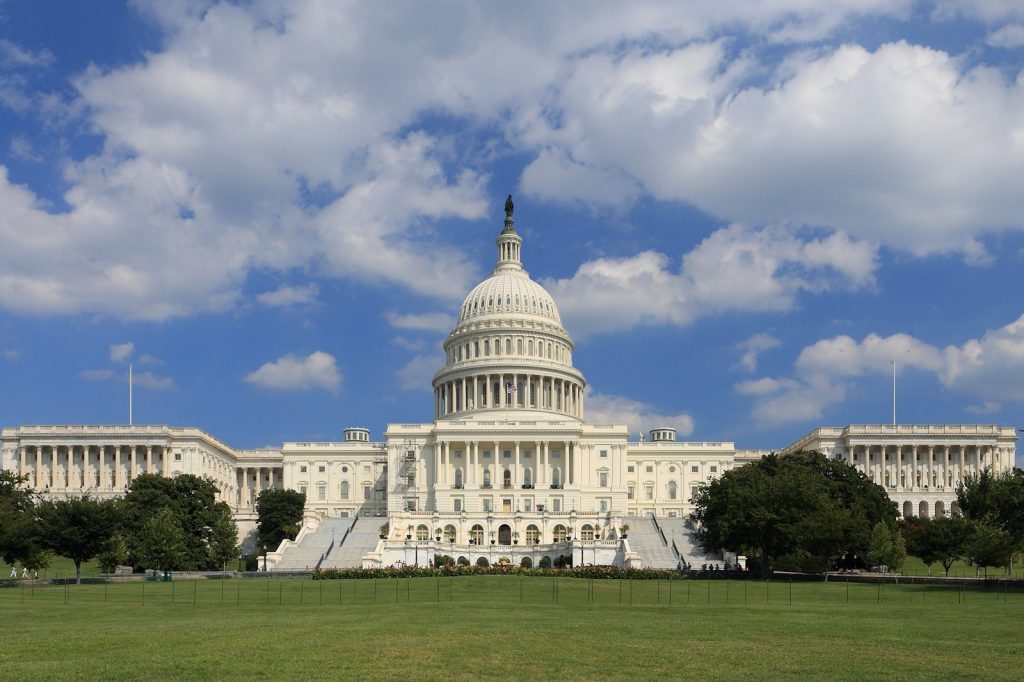
WASHINGTON, September 4 — The House voted 237-169 on Thursday to pass legislation that would strip federal funding from American universities that boycott Israel or its academic institutions, including colleges located in Israeli settlements in the occupied West Bank. The Anti-Boycott Act cleared the chamber with 33 Democrats joining the Republican majority, while two Republicans voted against it. The measure now heads to the Republican-controlled Senate, and if adopted there, would go to President Donald Trump for signature.
Strategically, the bill’s reach is what makes it consequential. Universities that boycott “an entity licensed or regulated by, or organized under the laws of” Israel — language that covers institutions in West Bank settlements deemed illegal under international law — would be barred from receiving federal funds.
For most major universities, that funding stream is the difference between operating and shutting down, including the financial aid packages that keep students enrolled. The legislation also demands that academic institutions certify annually that they permit cooperation with Israeli universities. Critics say that requirement could effectively force American schools to build relationships with settlement-based institutions.
First Amendment fight
Jenin Younes, president of the American-Arab Anti-Discrimination Committee, argues the bill runs straight into the First Amendment. “The Supreme Court has made clear that the government cannot condition its funding on suppression of First Amendment-protected activity,” Younes said. “Courts also recognize that boycotts constitute such activity.” The timing is notable.
A Pew Research Center survey from July found that 62 percent of Americans hold an unfavorable view of the Israeli government. Younes framed the bill’s advance as a signal of political pressure: she described it as reflecting “the Israel lobby’s growing desperation in the face of rising opposition to US support for Israel.” She also pointed to the inclusion of West Bank colleges as evidence that Washington has no real intent “to hold Israel accountable for its unlawful occupation or to pave the way for a Palestinian state.”
Legal backdrop
The International Court of Justice ruled in 2024 that Israeli settlements in the West Bank, including East Jerusalem, “have been established and are being maintained in violation of international law.” The House vote lands amid the ongoing conflict in Gaza, which critics have described as genocidal, and forms part of a wider push in statehouses and Congress to counter the Boycott, Divestment and Sanctions movement. What this signals for the broader stakes: the Senate now becomes the battleground.
Should the bill pass there and reach the president’s desk, the legal challenge over whether Congress can condition federal dollars on suppressing boycott activity would almost certainly follow.




